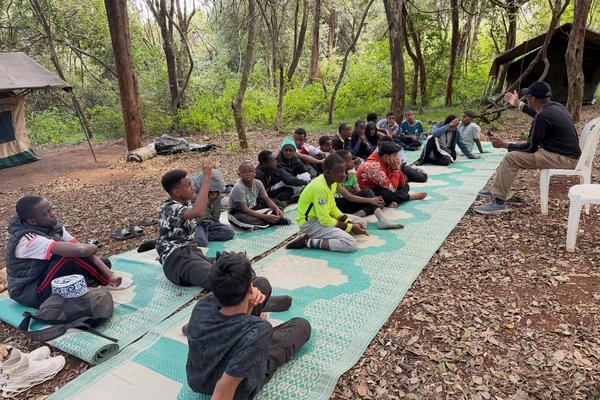
The need for mandatory vetting of madrassa teachers
Unfortunately, in recent years have witnessed an alarming increase in incidents involving individuals masquerading as madrassa teachers who have abused this sacred trust.
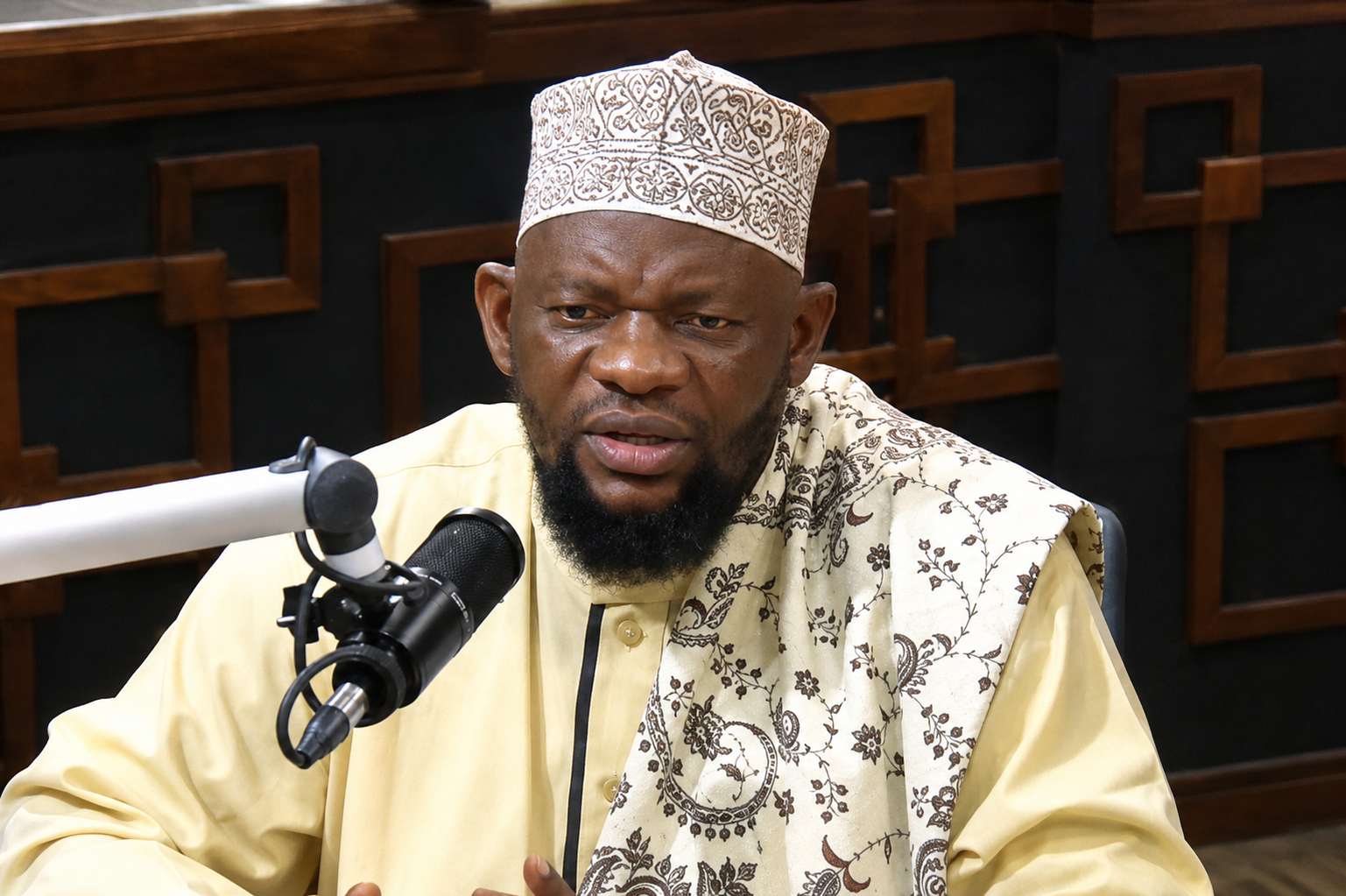
By Sheikh Juma Ali Abdalla Alkaumy
Education is one of the greatest trusts (amānah) in Islam. A madrassa teacher is not merely an instructor of the Qur'an; he is a mentor, a role model, and a guardian entrusted with the moral, intellectual, and spiritual development of the next generation.
Parents send their children to madrassas with complete confidence that they are placing them in safe and righteous hands. This trust is sacred and must never be betrayed. Those who undertake the noble responsibility of teaching the Book of Allah must therefore be individuals of unquestionable integrity, sound Islamic knowledge, exemplary moral character, and a genuine commitment to safeguarding the welfare of every child under their care.
Unfortunately, recent years have witnessed an alarming increase in incidents involving individuals masquerading as madrassa teachers who have abused this sacred trust. Reports of sexual exploitation, defilement, pregnancies involving young madrassa students, financial fraud, and even the practice of witchcraft under the guise of herbal or spiritual treatment have become increasingly common in some communities. Such conduct is not merely unethical; it constitutes serious criminal behaviour and a grave violation of Islamic teachings, which categorically prohibit oppression, immorality, deception, and the exploitation of the vulnerable.
These disturbing developments make it imperative that the vetting of madrassa teachers becomes mandatory, particularly in rural communities where many madrassas operate without effective oversight, formal governance structures, or safeguarding mechanisms. Vetting should not be viewed as an expression of mistrust towards teachers. Rather, it is a necessary measure to protect children, preserve the integrity of Islamic education, and safeguard the reputation of the overwhelming majority of sincere and dedicated madrassa teachers.
Perhaps even more disturbing than the misconduct itself is the response of some members of our own Muslim community. Whenever a madrassa teacher sexually abuses a student or impregnates a young girl, some parents refuse to cooperate with law enforcement agencies. Others decline to record statements, discourage victims and witnesses from coming forward, or attempt to settle the matter privately. Their justification is often that reporting the offender would tarnish the reputation of the teacher or bring shame upon Islam. This belief is fundamentally misguided and contrary to both Islamic teachings and the law. It is not the person who reports a crime who damages the reputation of Islam. Rather, it is the individual who commits the crime while bearing the honourable title of Ustadh or Sheikh.
Concealing criminal conduct does not protect Islam; it protects the offender and exposes more innocent children to abuse. Silence allows predators to continue offending while presenting themselves as religious leaders deserving of public trust. Allah, the Exalted, commands:- "O you who believe! Stand firmly for justice as witnesses for Allah, even if it be against yourselves, your parents, or your relatives." (Qur'an 4:135) He also says:- "And do not conceal testimony, for whoever conceals it—his heart is indeed sinful." (Qur'an 2:283) These verses leave no room for ambiguity. Justice must prevail over personal loyalty, tribal affiliations, social pressure, or misplaced concern for protecting reputations. Concealing crimes committed against children is itself a betrayal of the trust that Allah has placed upon the believers.
Related

The responsibility to protect children does not rest solely upon parents and madrassa committees. Muslim religious organisations such as Supreme Council of Kenya Muslims (SUPKEM), Council of Imams and Preachers of Kenya (CIPK), National Muslim Leaders Forum (NAMLEF) and others should always be at the forefront in condemning misconduct committed by individuals serving as madrassa teachers. Their voices must be heard whenever such incidents occur. The responsibility of speaking against these crimes should not be left solely to human rights organisations, activists, or the media. As recognised institutions representing the Muslim community, these organisations have both a religious and moral duty to publicly denounce abuse, support victims, promote child protection, and encourage full cooperation with law enforcement agencies.
Their principled leadership can reassure the public that Islam stands firmly against injustice and that criminal conduct committed in the name of religion will never be tolerated. Islam places a profound responsibility upon every leader. The Prophet Muhammad peace be upon him said: "Each of you is a shepherd, and each of you is responsible for his flock." (Ṣaḥīḥ al-Bukhārī and Ṣaḥīḥ Muslim). Allah also commands:- "Cooperate in righteousness and piety, but do not cooperate in sin and aggression." (Qur'an 5:2) These divine commands require every leader to oppose injustice, support victims, report wrongdoing, and cooperate fully in protecting children from abuse and exploitation.
The law of Kenya reinforces the same responsibility. Article 53 of the Constitution guarantees every child the right to protection from abuse, neglect, violence, harmful cultural practices, and all forms of exploitation. It further declares that the best interests of the child are of paramount importance in every matter concerning the child. Similarly, the Children's Act places a legal duty upon every person—including parents, teachers, community leaders, public officers, and institutions—to safeguard children, report abuse, and cooperate with the relevant authorities to ensure that offenders are brought to justice. Protecting children is therefore not merely an administrative responsibility; it is an Islamic obligation, a constitutional duty, and a moral imperative.
There is also a widespread misconception that the Kadhi's Courts have jurisdiction to prosecute and punish madrassa teachers who commit offences such as defilement or impregnating minor students. This is legally incorrect. Under the Constitution of Kenya, the Kadhi's Courts exercise jurisdiction only over certain civil matters relating to personal status, marriage, divorce, and inheritance among Muslims who voluntarily submit to that jurisdiction. They do not possess criminal jurisdiction. Defilement, rape, sexual abuse, and impregnating a madrassa or school-going child are criminal offences under Kenyan law. Such offences are investigated by the police, prosecuted by the Office of the Director of Public Prosecutions, and determined by the Magistrates' Courts or other courts with criminal jurisdiction.
It is important to note that the overwhelming majority of madrassa teachers are sincere, knowledgeable, and honourable servants of Allah who dedicate their lives to teaching the Qur'an and nurturing righteous generations. They deserve our respect, appreciation, and unwavering support. However, the existence of even a small number of immoral individuals is sufficient to undermine public confidence and inflict lifelong harm upon innocent children. Mandatory vetting is therefore not an attack upon madrassa teachers. Rather, it is a safeguard for children, a protection for genuine scholars, and a fulfilment of our collective Islamic responsibility.
The Muslim community must never allow the noble institution of the madrassa to become a refuge for predators. We owe it to our children, to our religion, and to future generations to ensure that every individual entrusted with teaching the Book of Allah is worthy of that sacred responsibility.
Every child has the right to study the Qur'an in an environment that is safe, dignified, and free from fear. Upholding that right is not merely a legal obligation; it is an act of worship and a sacred trust (amānah) for which every parent, teacher, madrassa committee, community leader, chief, village elder, public official, and religious institution will ultimately be accountable before Allah.
Sheikh Juma Ali Abdalla is a Senior Principal Kadhi at the Malindi Law Courts