
When Trust Is Broken…Sexual abuse in madrasas
“He is not of us who does not show mercy to our young ones and respect our elders” (Tirmidhi).
By Sheikh Yusuf Maroka
The recent allegation involving a madrasa teacher in Othaya accused of abusing minors has shaken the hearts many families. Regardless of the legal outcome, the weight of the accusation itself forces many parents to confront a painful reality especially when an ustadh/maalim, who is supposed to be a role model is linked to child abuse and molestation, trust is completely fractured.
Parents are not overreacting, they are protecting. When the offender is someone entrusted with the teaching of the Qur’an, the emotional injury is even deeper. A place meant to be safe suddenly feels insecure. The Prophet peace be upon him declared protection of the vulnerable a sacred trust. “He is not of us who does not show mercy to our young ones and respect our elders” (Tirmidhi). “Where has mercy-rahma gone in some people?”
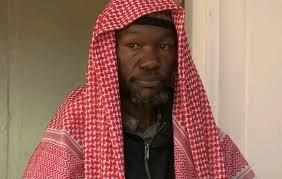
Eid Koitet Ali who is accused of sexually assaulting 12 minors, aged between 5 and 14 years old, in a madrasa in Othaya.
Let us enter the heart of a parent. A mother reads the news and her mind races. “What if?” A father sees the headline and his chest tightens. “Could this happen to my child?”
As a father myself (I have been a madrasa/secular teacher for over 17 years), I ask, I inquire, I interrogate before entrusting my kids to anyone. Are there safeguarding policies? Are teachers vetted? Is there accountability structure? Are there female supervisors where girls are involved? Remember, faith does not cancel caution. Tawakkul is not naivety. The Prophet peace be upon said: “Tie your camel and trust in Allah.” (Tirmidhi)
The Role of Madrasa Leaders
This is where institutions must respond decisively. ‘Kanzu na kilemba’ alone are not the qualification for one’s competency. Every madrasa must implement visible child-protection systems before employing any madrasa teacher. They should do thorough background checks. Madrasas should have open-door policies, supervised classrooms, gender-appropriate staffing, CCTV in public areas (it is only 2500/-), clear reporting channels like daily registers, and regular safeguarding training. Kinga ni bora kuliko tiba. Prevention is better than cure.
Children must also be educated about boundaries in age-appropriate ways. Remember, silence protects predators; awareness protects children. Trust grows where transparency lives.
Religious Garments - Tainted
Another matter that has unsettled many is the appearance of accused individuals in full religious attire during court proceedings. Religious garments symbolise spiritual authority. When someone facing grave criminal charges appears in religious dress, as perceived, it risks tainting the line between religion and personal conduct. In my opinion, next time ‘avuliwe hiyo nguo avalishwe gunia kwa kichwa’ to preserve the dignity of sacredness of that attire, even though some term it as just a piece of cloth.
Generalisation of Criminal Acts
The fact remains that any accused individual does not represent all madrasas, all imams, or all religious teachers. So, we must avoid generalisation of criminal acts. To condemn every institution because of one scandal is wrong. Islam is clear “…no soul carries the burden of another.” Kosa la mtu mmoja si hukumu kwa wote.
Allegations of this nature damage reputations beyond the individual involved. Students begin to question, parents hesitate to enroll their children to Madrasa, dedicated teachers feel tainted and community confidence erodes. In Arabic we say: ا“When a trial occurs, it spreads.”
But the solution is not to pull off our kids. It is reform and vigilance. Destroying the lantern (taa ya koroboi) because the watchman stole paraffin leaves everyone in darkness. Instead, replace the watchman and strengthen the system around the lantern (Koroboi).
As leaders, Imams, ustadhs and parents, our responsibility is to protect children and preserve institutions responsibly. We should ensure the culprits are dealt with properly and desist from blanket accusations. Let Imams condemn this heinous act on the pulpits (minbar) until in sticks into the minds of such cruel and wicked perpetrators.
Lasting Trauma in Victims
Child sexual abuse by religious leaders involves deep psychological dysfunction, not just moral failure. Offenders exploit power imbalances, rationalize their actions, and use spiritual authority to manipulate victims. For children, the trauma can be severe and lasting leading to anxiety, depression, shame, and spiritual confusion. To them, religion or faith is linked to fear. Healing requires early counseling, safe spaces for disclosure, trauma care, and strong family support to restore the child’s sense of safety and self-worth.
Conclusion
Our children deserve environments where learning Qur’an feels safe, where teachers are trustworthy, and where parents do not lie awake in anxiety. That safety will not come from denial, nor from panic, but from decisive action.
The writer is an educationist based in Nairobi. He can be reached out through 0721952206 for talks, workshops, seminars, training,