Landmark court decision upholds Kibra community land
The court affirmed that the allocation was a lawful remedy for the historical injustices
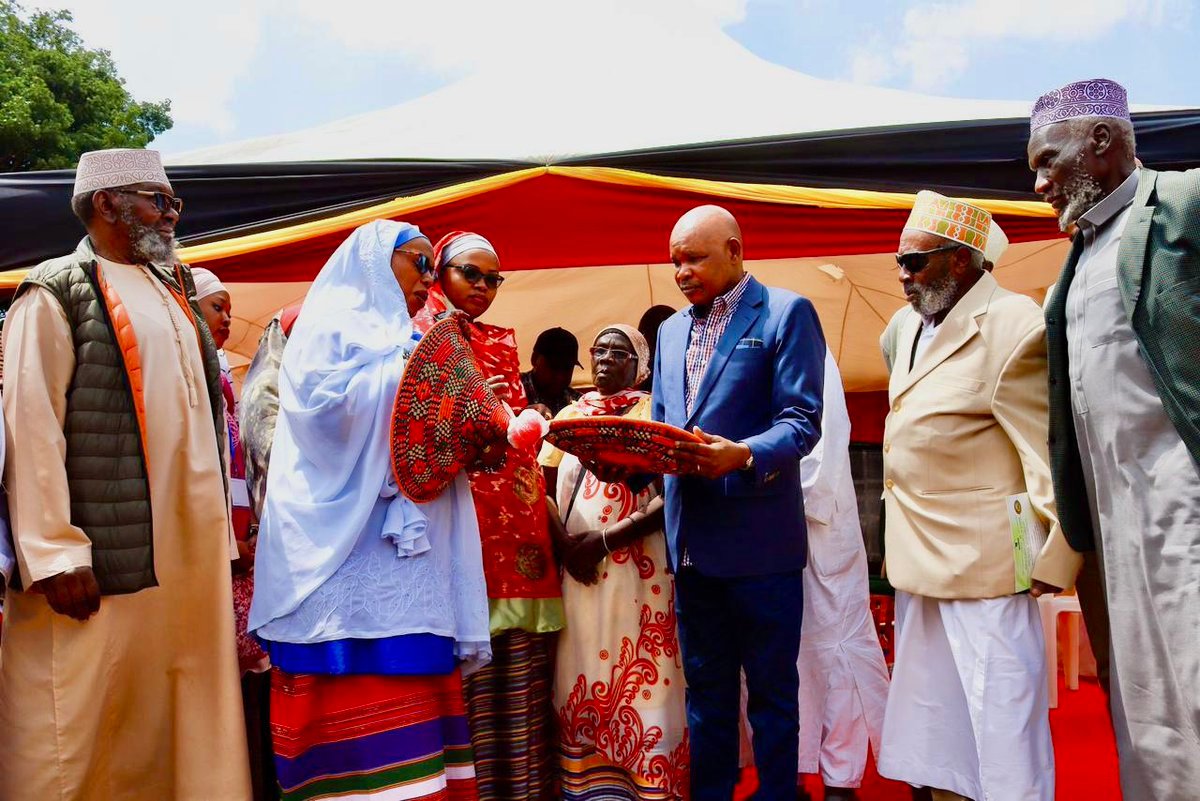
The landmark decision by the Environment and Land Court (ELC) now paves the way for the redevelopment of Kibra community land.
In a judgment delivered on June 29, high court judge Christine Ochieng upheld the legality of the 288-acre Grant IR 149108 held by the Kibra Nubian Community Land Trust. The court also affirmed that the allocation was a lawful remedy for the historical injustices suffered by the Nubian community and did not amount to unconstitutional discrimination.
Welcoming the ruling, Dr Ahmed Kalebi, the former chairman of the government-appointed Taskforce on the Operationalization of the Redevelopment and Affordable Housing Project for the Kibra Nubian Community Land Trust, said the judgment had cleared the legal path for the long-awaited redevelopment of the land.
"This judgment provides strong judicial affirmation of the legal foundation upon which that work was undertaken. I believe the Taskforce's recommendations are now ready to be taken forward by the Board of Trustees, together with the community, the Government, stakeholders and development partners, to deliver a modern, dignified and inclusive redevelopment of Kibra that honours the community's historical land rights while benefiting present and future generations," he said.
Describing the ruling as a historic land victory for the Nubian community in Kibra, Dr Kalebi said it marked an important milestone in the ongoing efforts to address historical land injustices through constitutional processes and the rule of law.
He said the Taskforce, which was mandated to develop recommendations for a practical redevelopment framework, governance model and implementation strategy, faced significant challenges, including opposition from some of the petitioners to the proposed redevelopment of the land.
"Alhamdulillah, justice has prevailed. This historic legal victory paves the way for a better future for Kibra by affirming the Nubian community's ownership of the 288 acres, together with the approved Physical Development Plan (PDP)," he said.
In the ruling, the court held that the process of allocating the land to the Nubian community was lawful, transparent, and conducted with adequate public participation.
The petition, filed in 2024 by two residents' associations—Kibera Lindi Friends and Neighbours Welfare Association and Bukhungu CBO 047—challenged the conversion of the land from public to community land and the subsequent issuance of a title deed to the Kibra Nubian Community Land Trust.
Related

The petitioners argued that the process leading to the preparation of the Physical Development Plan, the conversion of Grant I.R. No. 149108 into community land, and its allocation to the Kibra Nubian Community Land Trust in 2017 was undertaken without meaningful public participation.
They further alleged that allocating the 288-acre parcel exclusively to the Nubian community amounted to discrimination, arguing that members of the other 42 communities residing in Kibra had been unfairly excluded.
The petitioners also contended that the redevelopment of the land for the settlement of the Nubian community violated their constitutional rights to equality, property, housing, and fair administrative action. In their prayers before the court, they sought Sh10 billion in compensation, the cancellation of the community title and the disbandment of the Taskforce on the Operationalization of the Redevelopment and Affordable Housing Project for the Nubian Community Land Trust.
In her judgment, the judge ruled that the petitioners failed to establish any constitutional or legal violations warranting the reliefs sought.
She held that the planning process complied fully with the law, noting that the Physical Development Plan was duly gazetted, advertised in national newspapers, and subjected to the statutory 60-day public objection period.
"I find that there was indeed public participation in the development of the impugned PDP. I will decline to quash it and deem it as valid," Judge Christine Ochieng ruled.
On the claim of discrimination, the court found that the allocation was intended to address historical injustices suffered by the Nubian community, which has occupied the area since the colonial era." Since this is a title to Community Land which involves a large group, it is my considered view that by seeking to cancel the said title, it will be tantamount to violating the Nubian Community's right to property," she stated.
The court also dismissed the claim for Sh10 billion in compensation, finding that the petitioners had failed to demonstrate the extent of the alleged loss or provide evidence of the value of the properties they claimed would be affected.