
Nubians call for Presidential action on recognition
Despite its longstanding presence in the country and its significant contributions to Kenya’s social and cultural fabric, the Nubian community has been in the throes of a struggle for formal recognition as one of Kenya’s ethnic groups.
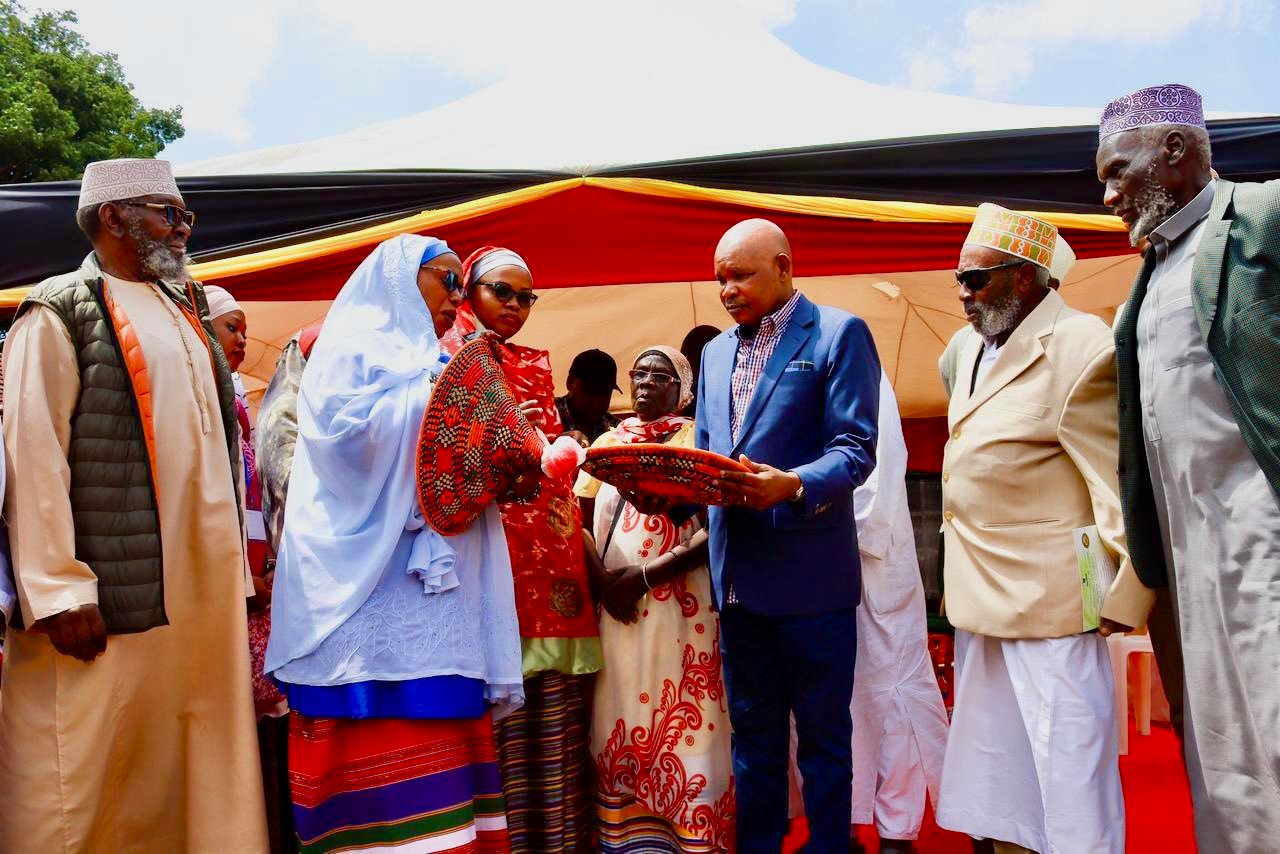
As the country prepares to mark 60 years of independence, the Nubian community says there is little to celebrate, as their quest for recognition as one of Kenya’s ethnic communities remains unresolved.
Despite its longstanding presence in the country and its significant contributions to Kenya’s social and cultural fabric, the Nubian community for more than a century has been in the throes of a struggle for formal recognition as one of Kenya’s ethnic groups.
A report by the Kenya Nubian Council of Elders (KENUCE) disputes assertions by the government that the community is officially recognized, saying that the criteria given by the Interior Cabinet secretary does not amount to an official recognition.
The community further notes that although President William Ruto abolished the vetting exercise for national identity cards in 2025, a de facto vetting system persists for Nubians, who remain the only group routinely required to undergo additional verification to obtain Kenyan ID cards.
In its report, he Council states says that more than a century after the community settled in Kenya, the community continues to face persistent challenges including discrimination, land insecurity, and obstacles in accessing citizenship rights stemming from historical displacement and the absence of acknowledgement within national identity frameworks.
“Formal ethnic recognition through presidential proclamation and gazettement is the most effective and conclusive step toward achieving lasting justice, national inclusion, and equitable development,” said the report
“Recognition through gazettement as an ethnic minority community is the penultimate of solving the long-standing recognition issue of the community,” it further stated.
A presidential proclamation and gazettement were the channels used to grant recognition to the Shona, Asian and Pemba communities, who are now officially classified among Kenyan citizens.
The Asian community was officially recognized as the country's 44th tribe in July 2017 by President Uhuru Kenyatta, granting them formal inclusion after years of petitions for recognition as an indigenous group. The Shona community was granted recognition as citizens in December 2020, ending decades of statelessness after they migrated from Zimbabwe in the 1960s, while President William Ruto officially recognized the Pemba community as a Kenyan ethnic group in January 2023.
In his response last month to a parliamentary question from Nairobi Senator Edwin Sifuna on official recognition, Murkomen stated that the Nubian community was officially assigned a distinct ethnic code, Code Number 50, in 2022, by the National Registration Bureau, thereby recognising them as a Kenyan ethnic community within the national registration framework.
However, KENUCE argues that this does not amount to formal recognition as an indigenous ethnic group in Kenya. The code, they say, merely facilitates identification within the registration system.
“While there is the issuance of Code 50 recognizing the community on matters registration of national ID by the National Registration Bureau, the same does not amount to recognition of the community as an ethnic group in the Republic of Kenya,” the report notes.
“The Public Service Commission, for instance, provides for the list of recognized communities in Kenya and the Nubian community is missing in that list,” it added.
Among its recommendations, the report called on the Ministry of Interior to abolish community-specific chief-verification requirements saying that they continue to symbolize a system of discrimination for the community.
“These practices replicate the same suspicion, unequal burden of proof, and humiliation experienced in the former vetting process. It continues to treat Nubians as presumptive foreigners, imposes administrative hurdles not applied to other communities, delays access to citizenship documentation, and restricts mobility, employment, economic opportunities, and voting rights,” says the report.
The report also points to the lack of land rights, pointing out that the absence of tenure security has made the community vulnerable to forced evictions, which have been experienced in some parts of the country, such as Kibos, in Kisumu.
“Much of our ancestral land has been taken over, settled by others, or developed without the consent of the members of the community,” said the report.
While acknowledging some progress, the Council maintains that Nubians still lack the full benefits of official minority status, which would grant access to targeted development programs, affirmative action opportunities, and state protection for vulnerable communities.
Nubians in Kibra and other parts of the country trace their ancestry to Sudan. Their forebears were recruited into the British colonial army—the King’s African Rifles—in the late 19th and early 20th centuries during British expeditions in East Africa, later serving as soldiers in both World War I and World War II.