Budget allocation to accelerate madrasa curriculum rollout
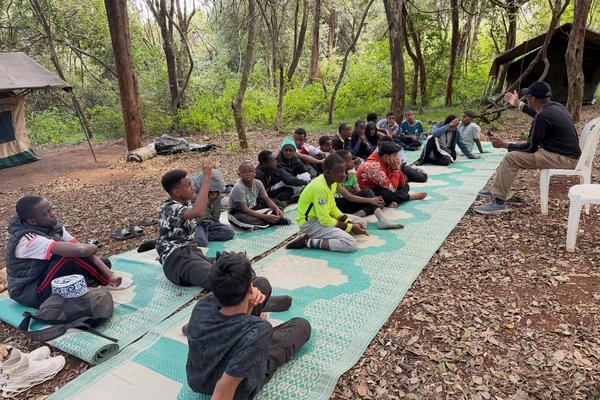
Government funding will facilitate the implementation of the curriculum, which was developed to standardize Islamic education in schools
The government's budgetary allocation for madrasas and duksi is expected to accelerate the nationwide rollout of the madrasa curriculum, according to the Muslim Education Council (MEC).
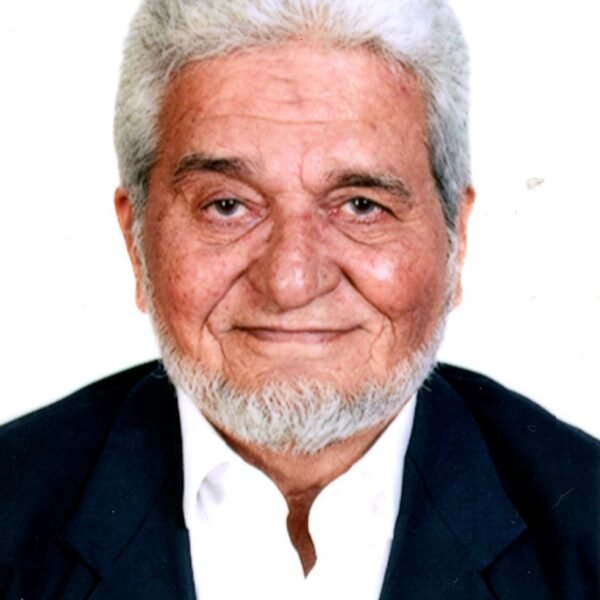
MEC Chairman Zafar Niaz said that although the Islamic curriculum for Muslim schools was approved by the Kenya Institute of Curriculum Development (KICD), its implementation has faced delays due to inadequate financial resources.
Speaking during the Annual General Meeting (AGM) of Jamia Mosque on June 12, Zafar expressed optimism that the funding will provide the momentum needed to implement the curriculum, which was developed to standardize Islamic education in schools across the country.
“The budgetary allocation came at the right time, and we expect it will facilitate the rollout of the curriculum across the country,” he said.
He further revealed that MEC, in collaboration with KICD, is working on plans to provide training for madrasa teachers, an initiative that will enable them to gain recognition from the Teachers Service Commission (TSC).
“This will enhance the professional development of existing madrasa teachers and help increase the number of qualified Islamic Religious Education (IRE) teachers,” he said.
During his budget speech on Wednesday, Treasury Cabinet Secretary John Mbadi announced budget allocation to support the integration of madrasa and duksi institutions into the national education system. The funding is expected to enable community-based Islamic educational institutions to adopt the approved curriculum while benefiting from government support.
Related
The integration initiative forms part of the record Sh4.82 trillion national budget, in which the education sector received the largest share of funding.
“The integration aims to enhance access to education, improve retention, and strengthen skills development while fully respecting the faith-based values cherished by communities in the region,” Mbadi said.
“It represents a significant opportunity to bridge traditional Islamic education with formal schooling, potentially addressing teacher shortages and boosting enrolment in hard-to-reach areas,” he added.
The move follows a directive by President William Ruto to Education Cabinet Secretary Julius Ogamba to begin formal consultations with stakeholders on integrating madrasa, duksi and pastoral instruction programmes into Kenya’s basic education framework.
Speaking during the Madaraka Day celebrations in Wajir County on June 1, President Ruto said the initiative is intended to reach thousands of children who remain outside the formal education system. “Some children in northern Kenya and other marginalized regions remain outside the formal education system because certain alternative learning pathways have not been adequately recognized or accommodated within our education framework,” he said.
Duksi are foundational Quranic schools that primarily serve young children, particularly in Somali-speaking communities. Madrasas, on the other hand, are structured Islamic educational institutions that provide comprehensive Islamic education learning from elementary to high school.
Pastoral instruction programmes cater for nomadic children whose families follow livestock migration patterns and are unable to attend fixed-location schools.