
Youth urged to use social media to promote positive social change
Young people were challenged to become ambassadors of positive change by using digital platforms to spread constructive and inspiring content.
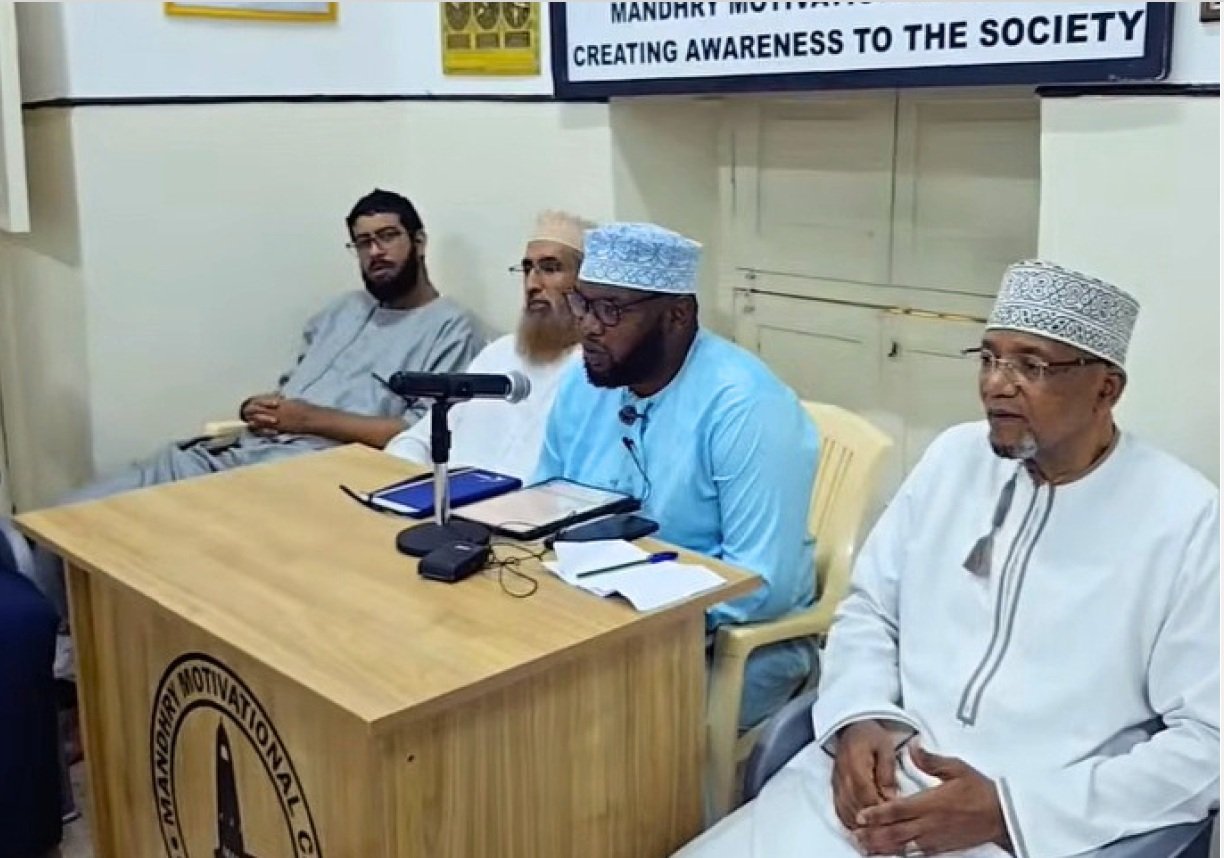
Youth have been urged to embrace the responsible use of social media as a tool for promoting religious values, social harmony, and economic empowerment in society.
Speaking during the weekly Mandhry Motivational Class at the historic Mandhry Mosque in Mombasa Old Town last week, Mombasa-based academician Dr. Adam Khamis described social media as a double-edged sword that can either uplift communities or contribute to moral and social decay.
He noted that social media platforms have become an integral part of modern communication, especially among the youth, influencing how people learn, interact, conduct business, and shape public opinion. He observed that while the digital space presents enormous opportunities for education, entrepreneurship, and professional networking, irresponsible use of the platforms could expose society to misinformation, immorality, division, and exploitation.
Addressing participants who included scholars, youth, and community members, Dr. Adam particularly challenged young people to become ambassadors of positive change by using digital platforms to spread constructive and inspiring content.
He emphasized that social media should be used to encourage personal development, strengthen social cohesion, promote national unity, and advance moral values instead of spreading hatred, propaganda, and harmful trends.
“When used responsibly, these platforms can become powerful tools for learning, professional growth, strengthening family ties, and even improving livelihoods through business and entrepreneurship,” he said.
Dr Adam who is also a member of the Jamia Mosque Council of Scholars (Majlis Ulamaa), further pointed out that the platforms also offer Muslims an opportunity to promote the true teachings of Islam and engage in meaningful da’wah. “Through social media, we can amplify the beautiful teachings of Islam to both Muslims and non-Muslims. We can also use these platforms to deepen our understanding of the religion, memorize the Qur’an, and speak out against societal evils such as LGBTQ, drug abuse, ethnic divide, and moral decay which continue to threaten our communities,” he said.
“These are among the objectives of da’wah, which is to convey the message with wisdom and good character. Let us use social media to positively transform society,” he added.
However, Dr. Adam warned that the growing misuse of social media is increasingly undermining moral values and threatening the wellbeing of individuals and communities. He observed that platforms such as Facebook, Instagram, X, TikTok, and YouTube are often misused to spread false information, cyberbullying, pornography, financial scams, hate speech, and harmful ideologies.
According to him, such misuse goes against the five fundamental objectives of Shariah, namely the preservation of religion, protection of life, safeguarding of intellect, protection of property, and preservation of the family structure.
“Unfortunately, many of these principles are constantly being violated through irresponsible online behavior. Social media has become a breeding ground for misinformation, online abuse, fraud, and content that weakens the moral fabric of society,” he said.
He urged social media users to exercise caution and verify information before sharing it online.
“Before forwarding or posting any information, first confirm that it is truthful and that it will not cause harm to an individual or society. As Muslims and responsible citizens, we must be accountable for the content we share,” he said.
Dr. Adam further called on parents to take a more active role in monitoring their children’s online activities warning that unrestricted exposure to harmful online content could negatively affect children and affect children’s mental health, moral upbringing, and social behavior.
“With children spending more time online than ever before, parents and guardians must guide them on responsible digital conduct and protect them from harmful influences that could destroy their future,” he said.
Other speakers at the event included Mohamed Salim Bajaber, who spoke on the psychological effects of social media, warning that excessive exposure to harmful online content can contribute to anxiety, depression, drug abuse, and negative behaviour among young people.
The Mandhry Motivational Class which has been going on for the past 15 years at the centuries-old Mosque, are aimed at addressing contemporary issues affecting the Muslim community and society at large.