
Wakf Commissioners to be recruited within three months
The process will be fair, merit-based, and transparent to ensure a credible team is appointed to drive the Commission’s agenda under the Wakf Act 2012.
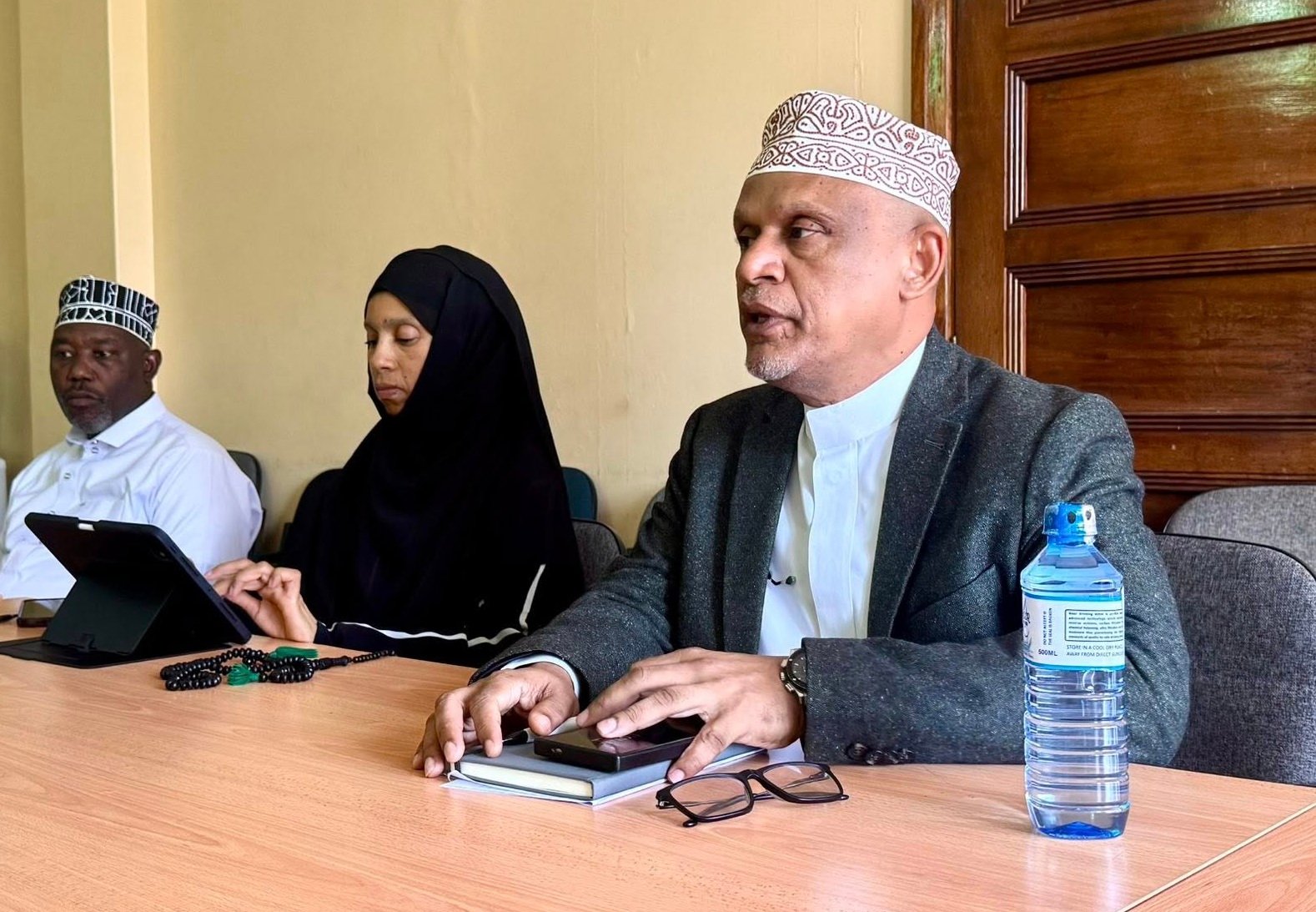
The Wakf Selection Panel is expected to begin the recruitment of commissioners for the Wakf Commission within the next three months.
Panel chairman Mohammed Alawi pledged that the process will be fair, merit-based, and transparent to ensure a credible team is appointed to drive the Commission’s agenda under the Wakf Act 2012.
“We are engaging relevant stakeholders as we prepare for the task ahead. Unity and support are essential for the panel to effectively execute its mandate,” he said during a courtesy visit to the Jamia Mosque Committee last week.
The meeting, attended by Vice Chair Sumayya Hassan and member Sheikh Hassan Ali Amin, deliberated on key issues, including cooperation with Islamic institutions and the forthcoming recruitment process for Wakf commissioners.
Alawi raised concerns over the management of waqf assets, noting that minimal income is currently generated from the endowment properties. He added that some assets have been illegally grabbed or diverted to non-Shariah-compliant uses, underscoring the urgent need for accountability and transparency in their administration.
On her part, Sumayya Hassan called on Jamia Mosque, other Muslim institutions, and the media to play a more proactive role in educating the public on the mandate and importance of the Wakf Commission. She noted that increased awareness would help unlock the full potential of waqf for the benefit of the ummah.
Speaking at the meeting, Jamia Mosque Committee Treasurer Billow Kerrow urged the panel to uphold impartiality throughout the recruitment process to enhance public confidence. He noted that the appointments are long overdue and emphasized the need for efficient management of waqf assets for the benefit of the Muslim community.
“The panel must carry out its mandate with independence, impartiality, transparency, and inclusivity at every stage of the process. This will enhance public confidence and increase acceptance of the outcome,” he said.
The Jamia deputy Secretary-General Hussein Abdinassir emphasized the urgency of restoring the Commission’s full functionality to safeguard the religious, social, and constitutional integrity of waqf properties in the country. He expressed confidence in the panel’s ability to deliver a credible process, noting that the trust of both the nation and the Muslim community rests on its diligence and fairness.
The panel, which also includes Shoaib Vayani and Hannan Hassan El-Kathiri, was gazetted on December 15, 2025, by Attorney General Dorcas Oduor.
For the past six years, the Commission, which is mandated to oversee waqf (endowment) properties across the country, has been operating without commissioners.
In addition, the terms of both the Chief Executive Officer and the Secretary expired in March 2021, further compounding legal and administrative challenges affecting the Commission, which is based in Mombasa.
The Wakf Commission, alongside the Kadhi courts, remains one of the few vestiges of Muslim administration from the colonial era. While it has historically operated largely within the former Coast Province, the Wakf Act 2022, which replaced the 1951 legislation, expanded its jurisdiction nationwide in alignment with the Constitution of Kenya.
Once in place, the Commission is expected to play a critical role in managing endowed properties dedicated to religious, educational, and charitable causes. In other Islamic jurisdictions, waqf institutions have greatly supported the development of schools, hospitals, universities, and other community facilities, significantly contributing to the socio-economic welfare of Muslim communities.