
Vocational Centre transforming lives for young women in Nyeri
Housed at Al-Falah Mosque, the vocational training centre has grown into a beacon of opportunity for girls seeking practical skills and economic independence.
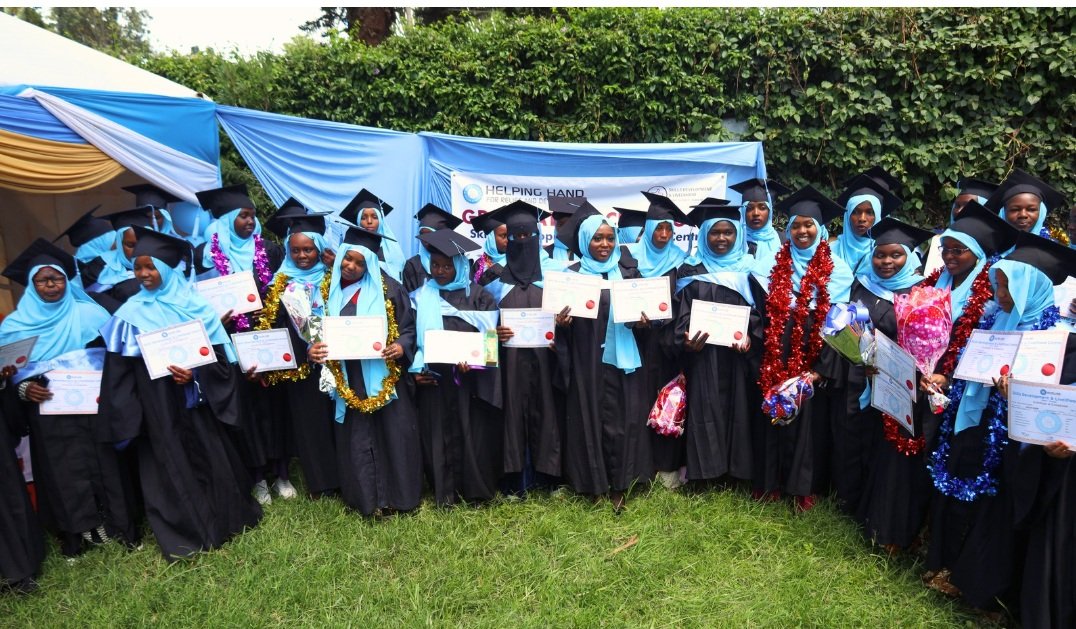
In Nyeri County, a quiet but powerful transformation has been unfolding over the past few years one that is steadily reshaping the lives of young women across religious and social divides.
Tucked within the compound of Al-Falah Mosque, a modest vocational training centre has grown into a beacon of opportunity for girls seeking practical skills and economic independence. What was once a madrasa facility has since evolved into a dynamic learning space, where young women gather not only to learn, but to redefine their futures. The centre offers a range of hands-on courses, with baking and a uniquely specialized Henna (Hina) art program forming the backbone of its curriculum.
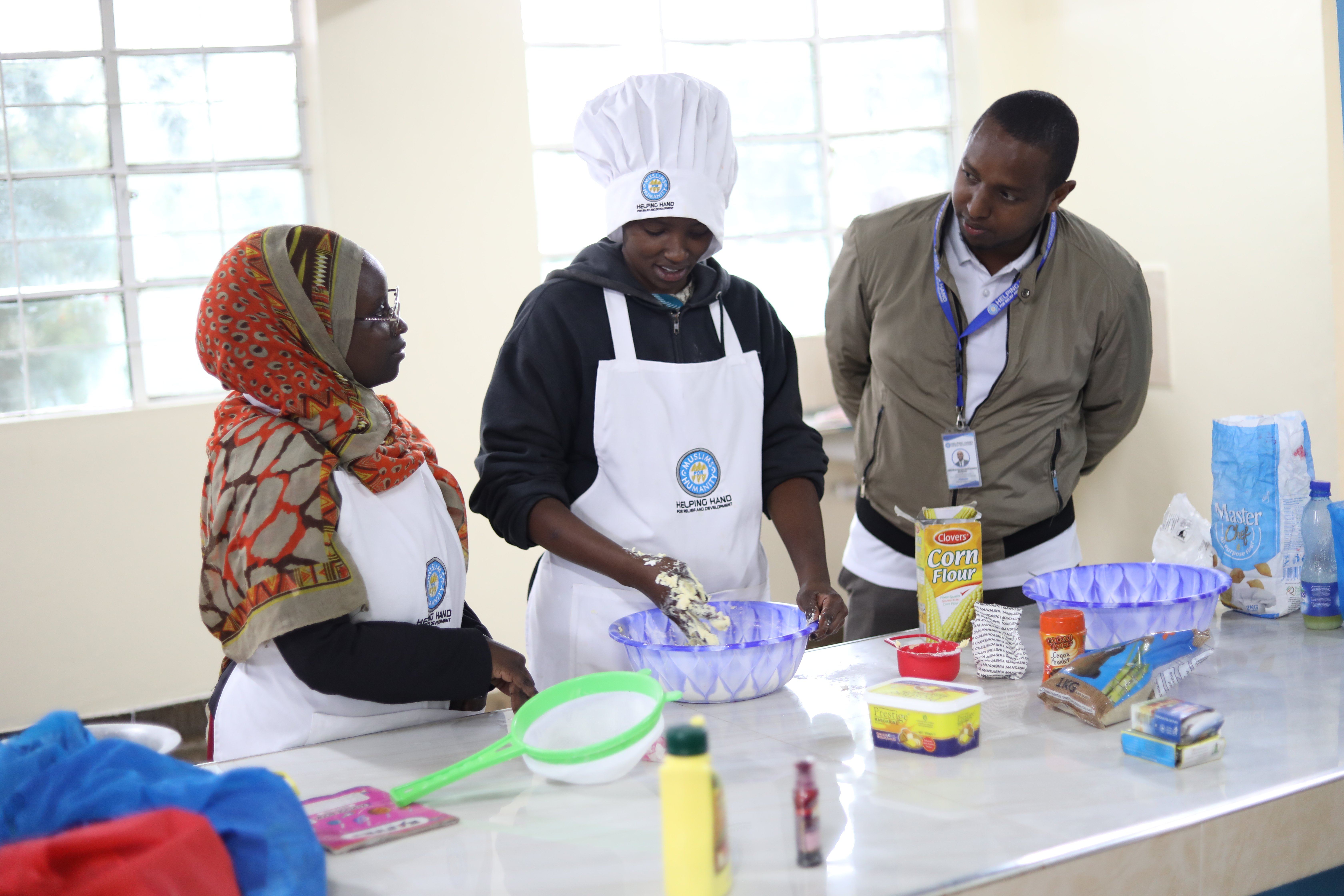
A baking class in progress
The heena course, in particular, stands out as a rare offering one not commonly found in other vocational institutions in the region. For many students, it has opened doors to creative entrepreneurship, allowing them to tap into a niche but growing market. Since its inception, the centre has held several graduation ceremonies, each marking the transition of a new group of trainees into self-reliant individuals. Graduates leave not just with skills, but with tangible tools to begin their journeys. Instead of cash handouts, the programme provides startup equipment ovens for baking students, and essential start up kits for heena graduates, ensuring that what they have learned can be immediately translated into income-generating activities. For many of these young women, the impact is felt first at home.
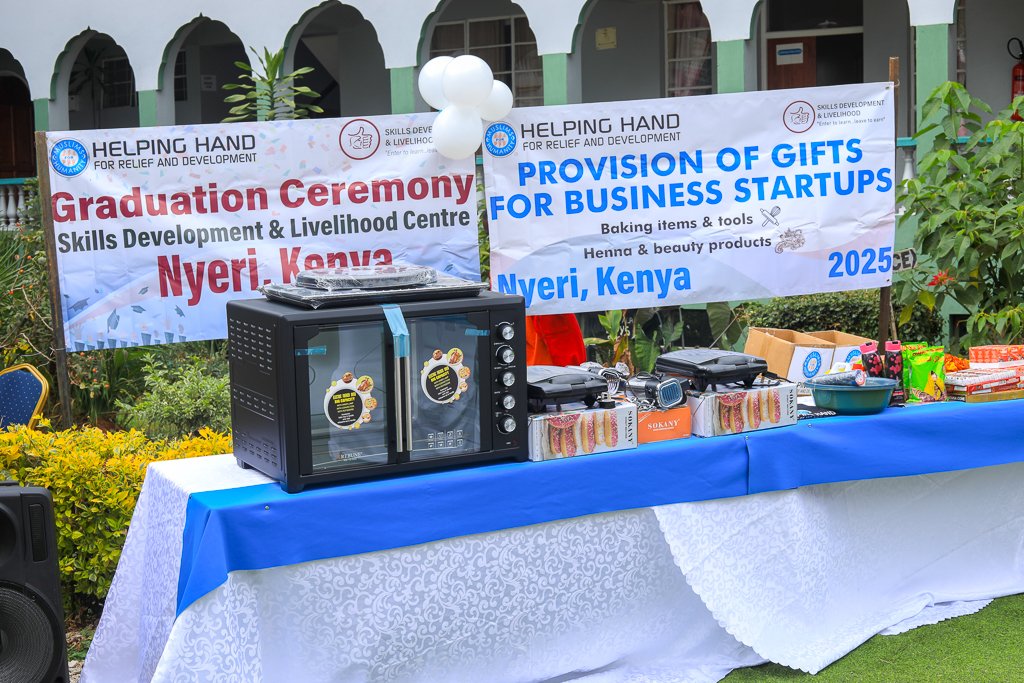
Business start-up kits for graduands
With newly acquired skills, they contribute directly to their households baking for family use, offering services within their communities, and in some cases, building small businesses from the ground up. The training becomes both a domestic asset and a source of livelihood. What makes the centre particularly remarkable, however, is its inclusivity. While it operates within a mosque compound, its doors are open to girls of all faiths. Over time, it has become increasingly popular among non-Muslim families in the surrounding areas, many of whom now actively seek out the centre for its affordability, safety, and quality of training.
Parents speak of a place where their daughters can learn without fear an environment that is structured, respectful, and focused on empowerment. In a region where misconceptions about religious spaces sometimes persist, the centre has quietly challenged such narratives. It has become, in effect, a subtle but impactful avenue of da’wah not through preaching, but through conduct, openness, and service. Community members note how perceptions have shifted. Families who once held reservations now see a welcoming space where their children are not only accepted but supported.
The interaction between students of different backgrounds has fostered mutual understanding, breaking down barriers that might otherwise remain intact. The programme itself operates with the support of a non-governmental organization, Helping Hand for Relief and Development (HHRD), though its daily impact is most visible at the grassroots level. Initially offered on a largely pro-bono basis, the centre has recently introduced a small tuition charge to sustain its operations.
Even so, the cost remains significantly lower than comparable training institutions, ensuring continued access for those who need it most. Today, the vocational centre stands not as a grand institution, but as something far more meaningful a practical solution to real challenges. It is a place where skills are learned, dignity is restored, and communities are quietly brought closer together. For the young women of Nyeri, it represents more than just training. It is, in every sense, a new beginning.