
Utumishi Academy inferno: Looking beyond safety measures
In many cases, signs of indiscipline and antisocial behaviour emerge long before students join secondary school.

By Dr. Adam Khamis Mwamburi
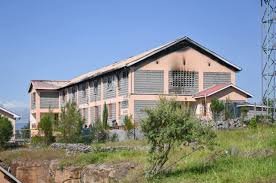
The tragic inferno at Utumishi Academy, which resulted in the loss of lives and destruction of property, has left the nation in shock and mourning. While discussions have largely focused on school safety measures, fire preparedness, and infrastructure, it is imperative that we examine this tragedy from a broader and deeper perspective. The deliberate act of setting a dormitory ablaze while fellow students were trapped inside raises fundamental questions that cannot be answered by safety protocols alone.
It is not only important but absolutely necessary for parents, educators, policymakers, religious leaders, and society at large to reflect on the root causes that may have contributed to such an appalling incident. A student does not simply wake up one morning and decide to commit an act capable of endangering the lives of peers without underlying behavioural, psychological, moral, or social factors that have been developing over time.
In many cases, signs of indiscipline and antisocial behaviour emerge long before students join secondary school. A more comprehensive background assessment of learners transitioning from primary to secondary education could help identify students who may require special guidance, counselling, and behavioural support. Such information would enable school administrations to develop proactive interventions aimed at preventing harm to both property and human life.
The tragedy also compels us to revisit the broader purpose of education. For decades, Kenya's education system, particularly under the 8-4-4 curriculum and, to some extent, the Competency-Based Curriculum (CBC), has placed significant emphasis on academic achievement. While academic excellence is undoubtedly important, the pursuit of grades and examination success has often overshadowed the cultivation of moral values and character development.
As a society, we celebrate top-performing students and exceptional examination results, yet we pay comparatively less attention to nurturing virtues such as honesty, integrity, humility, compassion, responsibility, respect, empathy, trustworthiness, and concern for the welfare of others. Consequently, we risk producing highly educated individuals who possess impressive academic credentials but lack the moral foundation necessary to serve society ethically.
This concern is evident in many sectors of society. We witness highly trained professionals implicated in corruption scandals, medical practitioners accused of diverting public resources for personal gain, engineers who compromise standards and approve unsafe structures, and judicial officers who betray the principles of justice through corruption. Ironically, these individuals are often among the most educated members of society. Their actions remind us that academic qualifications alone do not guarantee ethical conduct.
The students of Utumishi Academy are among Kenya's brightest young minds, enrolled in a prestigious national institution that prepares future leaders and professionals. However, intellectual brilliance without moral grounding can become dangerous. Education divorced from values and faith risks producing individuals who are technically competent but socially irresponsible.
The growing incidence of crime, violence, corruption, and disregard for human life in contemporary society reflects a deeper moral crisis. Education must therefore go beyond the transmission of knowledge and skills to include the deliberate formation of character. Schools that successfully integrate academic excellence with moral and spiritual development often experience fewer cases of serious indiscipline compared to institutions where academic performance is the sole measure of success.
Religious institutions also have a critical role to play. Faith communities should actively participate in moral education and social transformation by promoting ethical conduct and reinforcing the timeless principle of encouraging good and discouraging wrongdoing. This collective responsibility cannot be left to schools alone.
The recurring cases of student unrest, school strikes, and destruction of property across the country indicate that the challenge extends far beyond inadequate security measures. While safety protocols remain essential, the long-term solution lies in transforming attitudes, strengthening values, and addressing behavioural issues before they escalate into acts of violence.
As an educationist, teacher, religious leader, and university lecturer, I would propose the following measures:
1. Comprehensive Student Background Assessment
Schools should establish mechanisms for obtaining behavioural reports and disciplinary records from previous institutions. This information should not be used to stigmatize students but rather to identify those who may require additional support through mentorship, guidance, and counselling.
2. Strengthening Student Voice and Participation
School administrations should create multiple channels through which students can express grievances and concerns. Student councils, class representatives, clubs, and suggestion systems should be empowered to facilitate meaningful dialogue between learners and school leadership.
3. Protecting Whistleblowers and Acting on Early Warnings
School administrators should take seriously concerns raised by responsible students and staff members. Anonymous reporting systems should be established, and the identities of students who provide critical information must be protected to encourage openness and trust.
4. Early Detection and Prevention of Planned Unrest
School strikes and acts of arson rarely occur spontaneously. They are often preceded by planning, recruitment, and coordination. Institutions should develop effective monitoring and intervention mechanisms capable of identifying emerging threats before they escalate. Individuals found orchestrating violence should face appropriate disciplinary action in accordance with established regulations.
5. Reclaiming the Central Role of Parents
Parents remain the primary educators of their children. Unfortunately, many have gradually delegated much of this responsibility to schools and boarding institutions. Increasingly, children are sent away from home at very young ages, weakening the bond between parents and their children. Families must become more intentional in instilling discipline, moral values, empathy, accountability, and respect for others from an early age.
The Utumishi Academy tragedy should serve as a national wake-up call. While improving safety standards in schools is necessary, preventing future disasters requires a more comprehensive approach that addresses character formation, moral education, parental responsibility, student welfare, and societal values.
As we mourn the lives lost and stand with the affected families, let us also commit ourselves to building an education system that nurtures not only brilliant minds but also compassionate hearts and responsible citizens. Only then can we hope to prevent such tragedies from recurring and secure a safer future for our children and our nation.
"By time, indeed mankind is in loss, except those who believe, do righteous deeds, encourage one another to the truth, and encourage one another to patience."(Qur'an 103:1-3)
May Allah grant mercy to those who lost their lives, comfort the bereaved families, protect our children, and guide our nation toward justice, wisdom, and moral excellence.
Dr. Adam Khamis Mwamburi.
Academician and member Majlis Al Ulamaa (Council of Scholars) Jamia Mosque, Nairobi