Uganda moves closer to issue inaugural Sukuk
The sukuk is expected to finance 15 per cent of the funds required for the SGR project
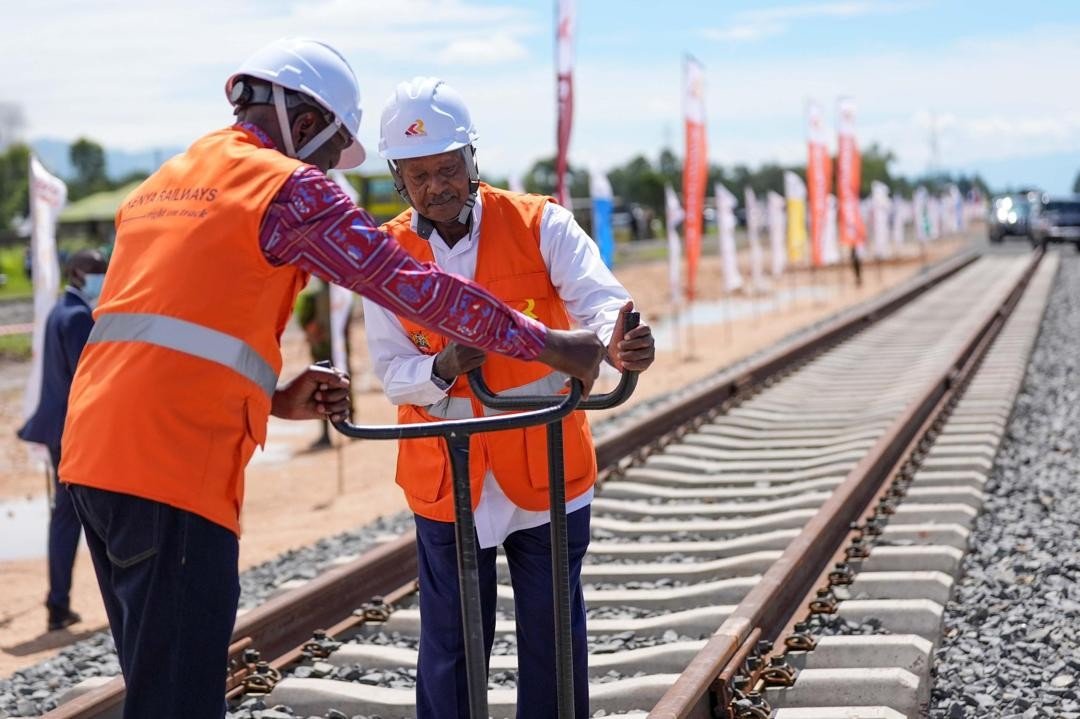
Uganda is in the advanced stages of issuing its inaugural sovereign sukuk (Islamic bond) to finance part of the US$3.17 billion Standard Gauge Railway project, a 272-kilometre line from the boarder at Malaba to Kampala.
The sukuk is expected to finance 15 per cent of the funds required for the railway, alongside funding from Export Credit Agencies and Development Finance Institutions.
A sukuk is a financial instrument used in Islamic finance and is often compared to a bond. However, unlike a conventional bond, a sukuk does not involve interest payments, which is prohibited under Islamic finance principles.
Investors in sukuk earn a share of returns generated by an underlying real asset, project, or investment activity.
The government hopes the sukuk will attract investors from Islamic banking markets in East Africa and beyond who may not normally participate in Uganda’s conventional debt market.
The Sukuk bond is designed to be accessible, with a minimum investment of US$265, and will be listed on the Uganda Securities Exchange as well as international markets. To encourage participation, the government has designated returns as tax-exempt for infrastructure bonds with a tenor of 10 years or more.
The structure could also help Uganda access long-term infrastructure financing without relying entirely on traditional commercial borrowing, which has become increasingly expensive as global interest rates remain elevated and debt servicing pressures grow.
Uganda’s move reflects a broader trend across Africa and the Middle East, where governments have increasingly turned to sukuk markets to diversify funding sources and attract investors who specifically seek Sharia-compliant investments.
Countries such as South Africa, Nigeria and Egypt have already issued sovereign sukuk to finance infrastructure and budget needs. The market has also grown rapidly in Gulf countries and parts of Asia, particularly in Malaysia and Saudi Arabia, where Islamic finance is deeply established.
Last year, the government of Zanzibar launched a landmark Sukuk programme to raise Tsh1.115 trillion (approximately $414 million) for key infrastructure and blue economy development projects.
The bond was issued via a special-purpose vehicle, Zanzibar Treasury Sukuk1 Treasury Limited, and arranged by Yusra Sukuk Company.
This historic issuance was targeted at overcoming infrastructure bottlenecks and financing 12 key public development projects across the isles, which include Construction of Terminal 4 at the Abeid Amani Karume International Airport.
Globally, the appetite for Sukuk has been rising. According to S&P, global Sukuk issuance grew by 25% in 2025 by over US$ 300 billion, raising the total outstanding value to over US$ 1 trillion. In Africa, in 2025, sukuk issuance surged from $112 million in 2024 to nearly US$3 billion, driven mainly by Egypt’s US$2.8 billion sukuk in October 2025.
Uganda opened its doors to Islamic financial ecosystem in 2023 and this saw the licensing of Salaam Bank, and the recent launch this year of Tamini General Insurance to offer Takaful (Islamic insurance).
How a Sukuk differs from a conventional bond
While both instruments are used to raise capital, they are fundamentally different.
A conventional bond represents debt. Investors receive interest payments over a fixed period, and do not own the underlying asset.
Sukuk investors on the other hand own a share of the underlying asset; and earn a profit or rental income over the lifetime of the asset instead of interest.
For Uganda’s SGR Sukuk, investors will earn rental income from the railway once operational. The principal amount will be repaid at maturity when the Special Purpose Vehicle (SPV) sells the financed portion of the SGR back to the government. The SPV will be a Ugandan entity responsible for receiving the sukuk proceeds and holding the asset on behalf of investors.