Science and Technology in the Qur’an and the Legacy of Muslim Scholars
Guided by Quranic principles, Muslim scholars and philosophers made groundbreaking discoveries in chemistry, physics, medicine, astronomy and engineering

Prof. Shaukat Abdulrazak
The Qur’an is not a scientific textbook, yet it repeatedly calls upon human beings to observe, reflect, and seek knowledge in the natural world. These reflections (ayat) cover a wide range of issues—from Atoms to Space. Inspired by these Qur’anic directions, Muslim scholars and philosophers made remarkable scientific discoveries that shaped global civilization.
The Qur’an draws attention to the smallest units of existence by referring to the “weight of an atom” (dharrrah), stating that even the smallest actions are measured (Surah Az-Zalzalah 99:7–8). This emphasis on minuteness encouraged reflection on matter and precision. Muslim chemists such as Jabir ibn Hayyan (8th century), often called the father of chemistry, expanded this thinking into experimental science. He developed systematic methods of experimentation, discovered acids such as nitric and hydrochloric acid, and laid the foundations of chemical processes like crystallization and distillation—methods still used today.
Physics and energy are reflected in the Qur’an through repeated references to balance, measure, and order in the universe. The verse, “He raised the heaven and set the balance” (Surah Ar-Rahman 55:7), highlights universal laws. The Qur’an’s powerful imagery of light—“Allah is the Light of the heavens and the earth” (Surah An-Nur 24:35)—inspired deep reflection on optics. Ibn al-Haytham (Alhazen), influenced by such ideas, revolutionized physics through his work on optics, explaining vision, light reflection, refraction, and the camera obscura. His scientific method became a cornerstone of modern physics.
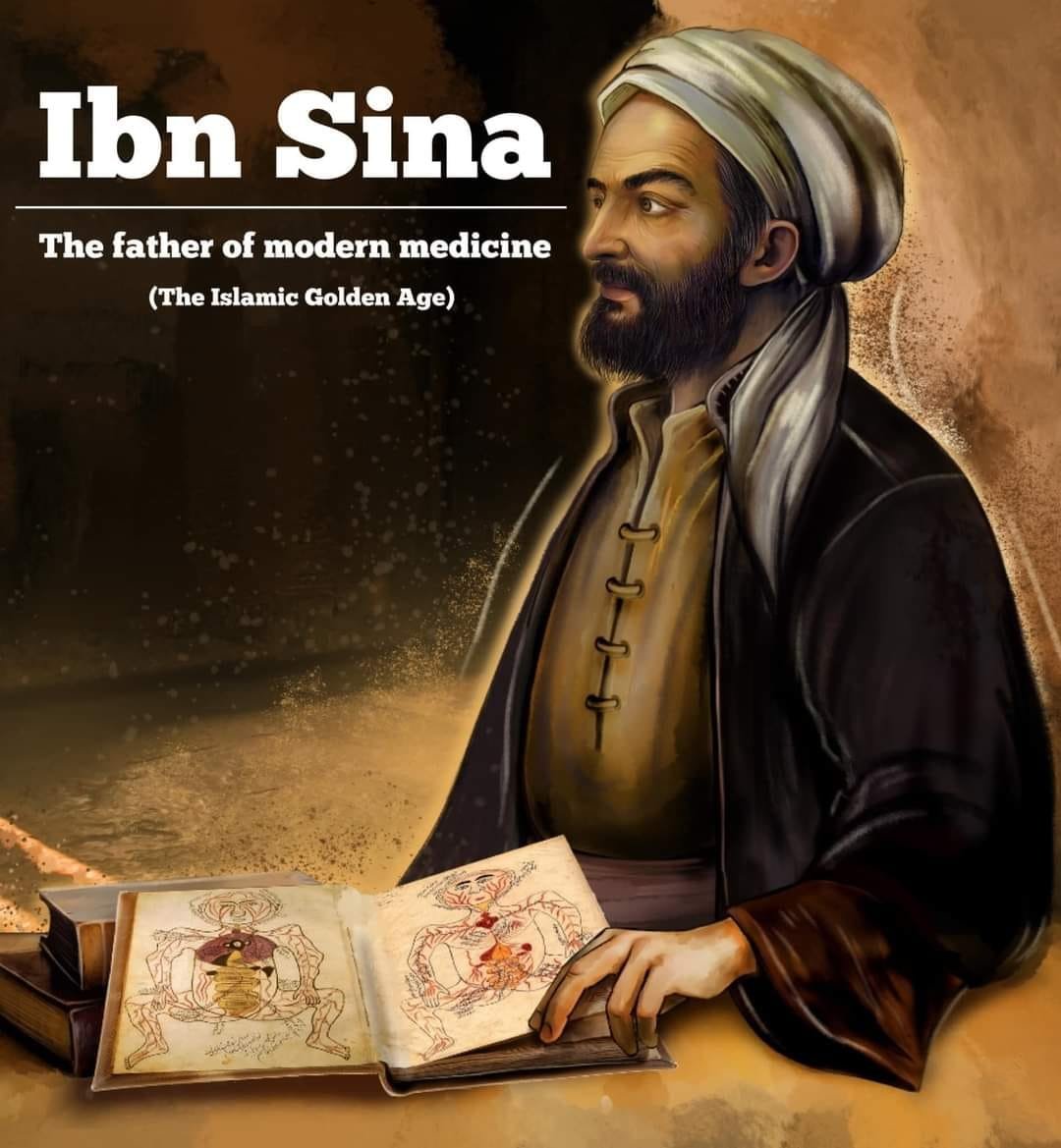
In biology, particularly embryology, the Qur’an describes human development in stages, from a drop to a clinging form, then bones clothed with flesh (Surah Al-Mu’minun 23:12–14). This sequential description encouraged scholars to study anatomy and life sciences. Ibn Sina, one of the greatest Muslim physicians and philosophers, wrote The Canon of Medicine, which included detailed observations of anatomy, embryology, and physiology. His work remained a standard medical reference in Europe for centuries. A Canadian physician, Keith Moore affirms this in his book Embryology in Quran.
Health and hygiene are central Qur’anic themes. Cleanliness is emphasized as a moral and physical necessity (Surah Al-Baqarah 2:222), Inspired by such guidance, Muslim physicians developed advanced medical practices. Al-Razi distinguished between smallpox and measles, promoted hygiene in hospitals, and emphasized clinical observation. Muslim hospitals were among the first to introduce wards, pharmacies, and medical records - which plays a critical role in healthcare system. In a modern world, honey is considered part of health ingredient, this was mentioned 1400 years ago as a natural healing substance (Surah An-Nahl 16:69).
Related


Food security has become a major concern in sub–Saharan Africa, with around 300 million people facing shortage of food and facing starvation. In Kenya around 2Million people in Arid and semi-arid areas are now vulnerable to worsening food and nutrition insecurity because of drought and water shortages. In the Quran, Agriculture and food sciences also feature prominently, which explains that rain brings forth diverse vegetation (Surah Al-An‘am 6:99). Muslim scholars translated this understanding into practical innovation. During the Islamic Golden Age, agricultural manuals described crop rotation, irrigation systems, soil treatment, and plant grafting. Al-Filahi scholars of Andalusia, such as Ibn al-Awwam, wrote extensively on farming techniques that transformed agriculture in Europe. The foundation had been laid out for us to follow yet we are predominantly countries of net importer of food. Under agricultural aspects, Animals are also presented as signs for reflection, particularly in the complex process of milk production (Surah An-Nahl 16:66). Muslim scholars studied zoology and veterinary medicine, documenting animal behavior and anatomy, contributing to biological sciences- the biochemistry in explaining conversion of grass into milk full of nutrients.
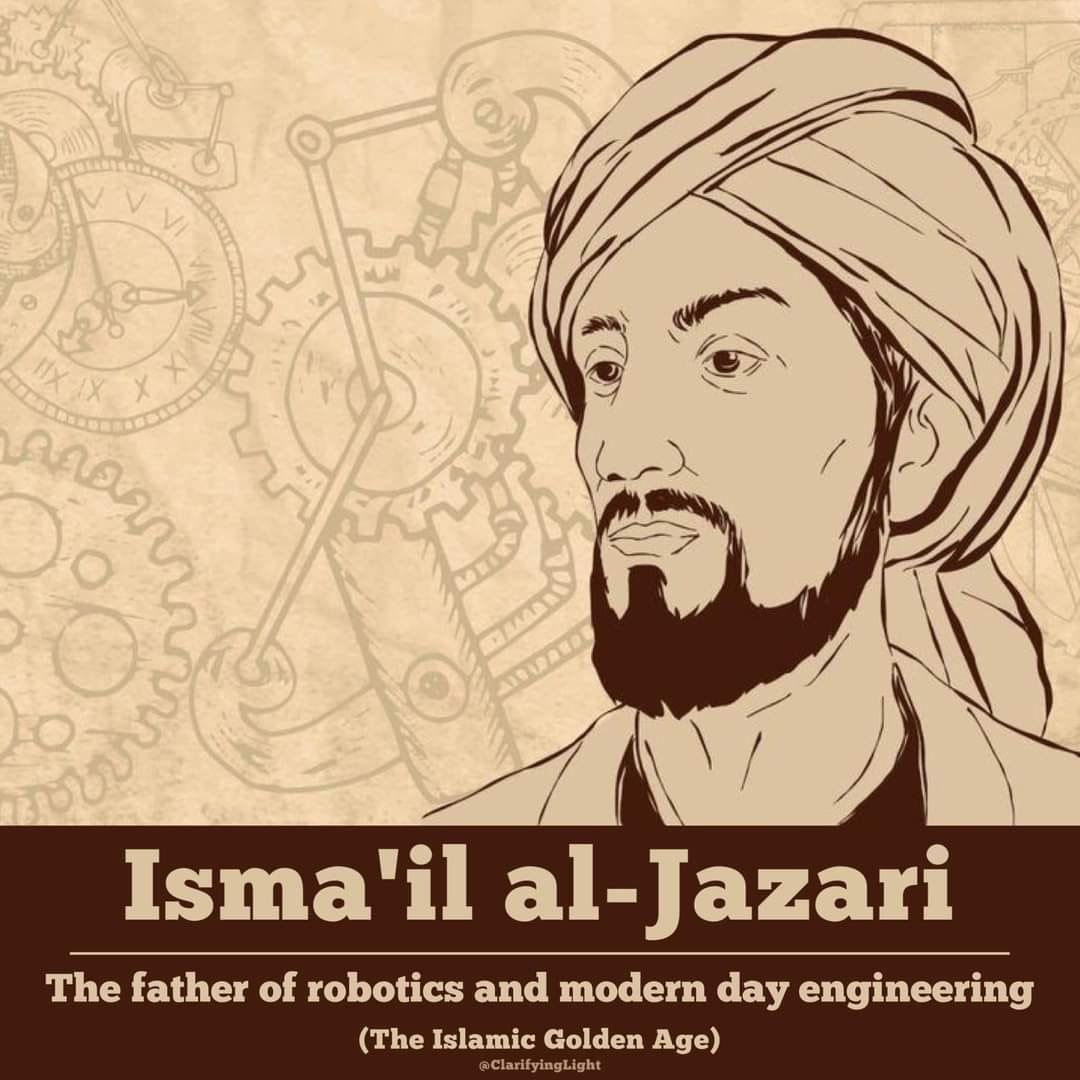
Water is described in the Qur’an as the origin of all life (Surah Al-Anbiya 21:30). This profound statement led Muslim engineers to develop sophisticated water-management systems. Al-Jazari, a pioneering engineer, designed water-raising machines, pumps, and automated devices powered by water energy. His inventions represent early examples of mechanical engineering and automation. Today, Muslims countries are going to bench mark from who reflected and put Quranic verse into practice. To me, this is Science, technology and innovation in practice.
The world is today faced with climate change and countries are looking at mitigating and adapting strategies. Climate and weather systems are actually mentioned through references to winds and rain cycles. The Qur’an states that winds play a role in pollination and rainfall (Surah Al-Hijr 15:22), you may add generation of electricity. Muslim geographers and scientists studied climate patterns to improve navigation and agriculture. Al-Mas‘udi and Al-Biruni made detailed observations of winds, monsoons, and environmental changes, contributing to early climatology and geography - early warning system in action.
If we reflect even deeper, we see that the Qur’an’s makes references to space and astronomy, such as celestial bodies moving in precise orbits (Surah Al-Anbiya 21:33), inspired generations of astronomers. Al-Battani refined calculations of the solar year, Al-Tusi developed mathematical models of planetary motion, and Ulugh Beg built advanced observatories. Their astronomical tables influenced Copernicus and later European scientists. Advanced countries have set up various observatory centres. My department is spearheading setting up of Science, Technology and Innovation Observatory.
For countries to leapfrog from third to first status, they must look closely at engineering and technology towards industrialization. In the Qur’an through references to skilled construction and flawless natural design (Surah Ash-Shu‘ara 26:149; Surah Al-Mulk 67:3). Muslim architects and engineers applied geometry, symmetry, and mathematics to create enduring structures such as mosques, bridges, and cities—demonstrating the union of science, art, and faith - triple helix.
In conclusion, the Qur’an’s engagement with scientific issues served as an intellectual spark rather than a technical manual. It encouraged observation, reasoning, and ethical responsibility. Guided by these principles, Muslim scholars and philosophers made groundbreaking discoveries in chemistry, physics, medicine, astronomy, engineering, and agriculture. Their legacy shows that faith and science, when working together, can advance human knowledge and benefit civilization as a whole.
Prof Abdulrazak Shaukat is the Principal Secretary, Science, Research and Innovation: saabdulrazak@gmail.com