
Saddest day for Muslim worshippers as Al-Aqsa mosque closed at Eid
Hundreds of Muslim worshippers were forced to prayed by roadsides in the vicinity of the mosque compound
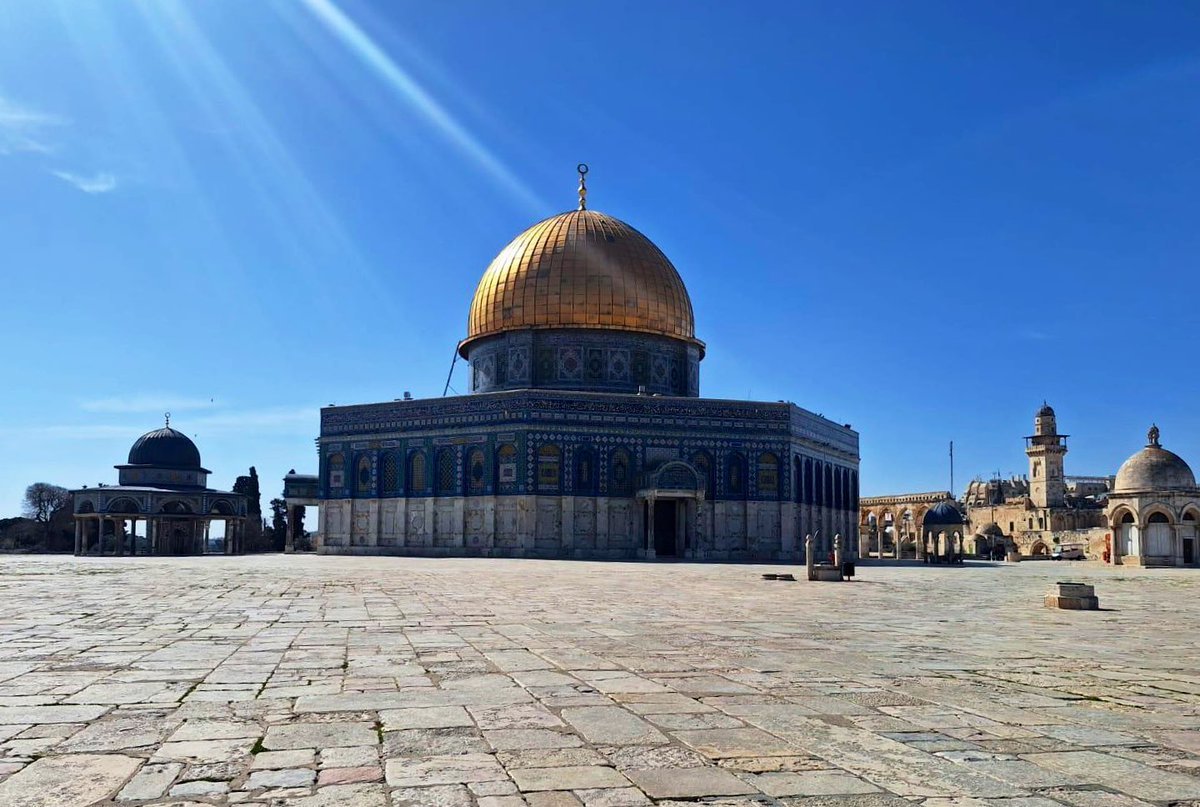
For the first time since 1967, Eid prayer was prevented at Al-Aqsa Mosque. Israeli authorities restricted access to the mosque compound, blocking thousands of worshippers from entering on one of the most sacred days in Islam. The closure has been described as unprecedented in modern times, marking a deeply significant and painful moment for Muslims around the world.
Hundreds of Muslim worshippers were forced to prayed by roadsides in the vicinity of the mosque compound, which has been closed by Israeli occupation authorities for 21 consecutive days since the start of the US and Israeli war on Iran.
Worshippers performed the Eid prayers at the nearest points to the mosque compound, particularly at Bab al-Amud (Damascus Gate) and Bab al-Sahira, despite occupation restrictions.
The occupation forces unleashed barrages of teargas and concussion bombs at worshippers to prevent them from approaching the mosque compound.
Citing security concerns related to the US-Israeli war on Iran, on 28 February Israeli authorities had effectively sealed off the mosque complex in Jerusalem to Muslim worshippers during Ramadhan, leaving thousands of Palestinians to gather and pray outside the gates of the Old City instead.
However, Palestinians say the move is part of a wider Israeli strategy to leverage security tensions to tighten restrictions and entrench control over the al-Aqsa mosque complex, known as al-Haram al-Sharif to Muslims, which also encompasses the seventh-century Dome of the Rock.
“This will be the saddest day for Muslim worshippers in Jerusalem,” Hazen Bulbul, a 48-year-old Jerusalem resident who has marked the end of Ramadan at al-Aqsa mosque since childhood.” “What I fear is that this sets a dangerous precedent. It may be the first time, but probably not the last. Israeli interference in the holy city has been escalating since 7 October [2023].”
In recent months, there has been a sharp increase in arrests of Palestinian worshippers and religious staff in the Old City, alongside repeated incursions into the complex by Israeli settlers. Police have detained individuals inside the mosque precinct, including during prayer times, and restricted access for many Palestinians seeking to enter.
The Old City, usually crowded with Palestinians during the month of Ramadhan, was largely deserted during Eid with streets left unusually quiet.
Palestinian shopkeepers were barred from opening most businesses, with only pharmacies and essential food shops allowed to operate. Traders said the measures had pushed them into acute economic hardship.
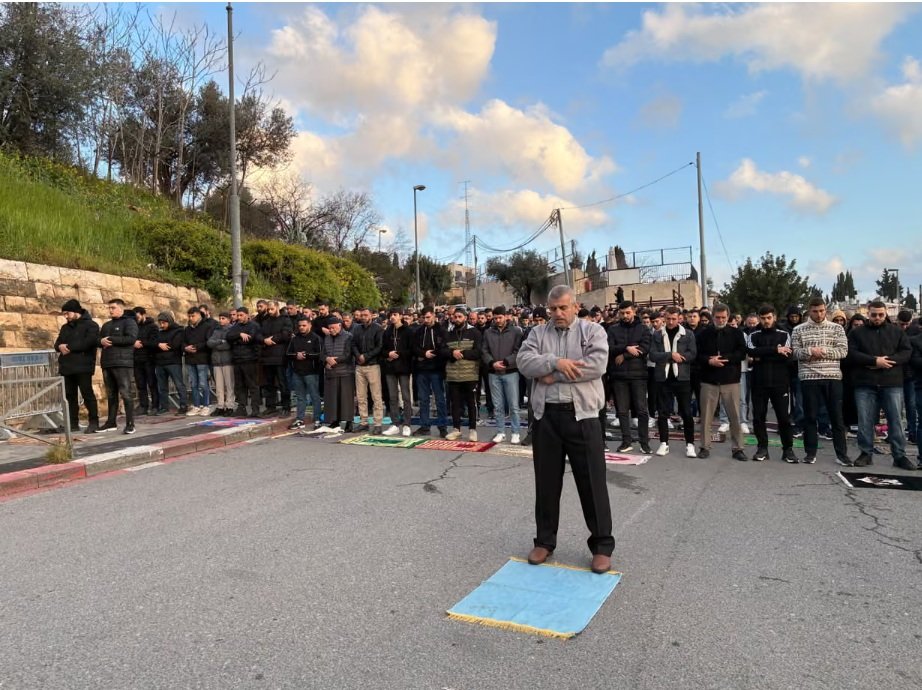
Worshippers pray outside Al Aqsa Mosque after it was closed to worshippers
Sheikh Ekrima Sabri, the preacher of al-Aqsa and former grand mufti of Jerusalem, had issued a religious ruling urging Muslims to perform Eid prayers at the closest possible point to the mosque.
The closure has drawn condemnation from the Arab League, which described it as a “blatant violation of international law” and said it risked undermining freedom of worship and inflaming tensions across the region.
The Organisation of Islamic Cooperation, the League of Arab States and the African Union Commission have expressed their strong condemnation for the closure of al-Aqsa mosque to Muslim worshippers, “especially during the blessed month of Ramadan”.
In a joint statement, they said the closure “constitutes a grave violation of the existing historical and legal status quo in the Islamic and Christian holy sites in the occupied city of Jerusalem, an assault on the established religious rights and heritage of the Islamic nation, a provocation to the feelings of Muslims throughout the world, and a violation of freedom of worship and the sanctity of holy places”.
“Israel, the occupying power, the statement reads, “bears full responsibility for the consequences of these illegal and provocative measures.” It adds that their continuation “portends an escalation of violence and tension and threatens to undermine regional and international peace and security”.