
Ruring’u Mosque, Nyeri: A Historic Centre of Faith and Learning
It was among the first Muslim centres founded by indigenous adherents in the region
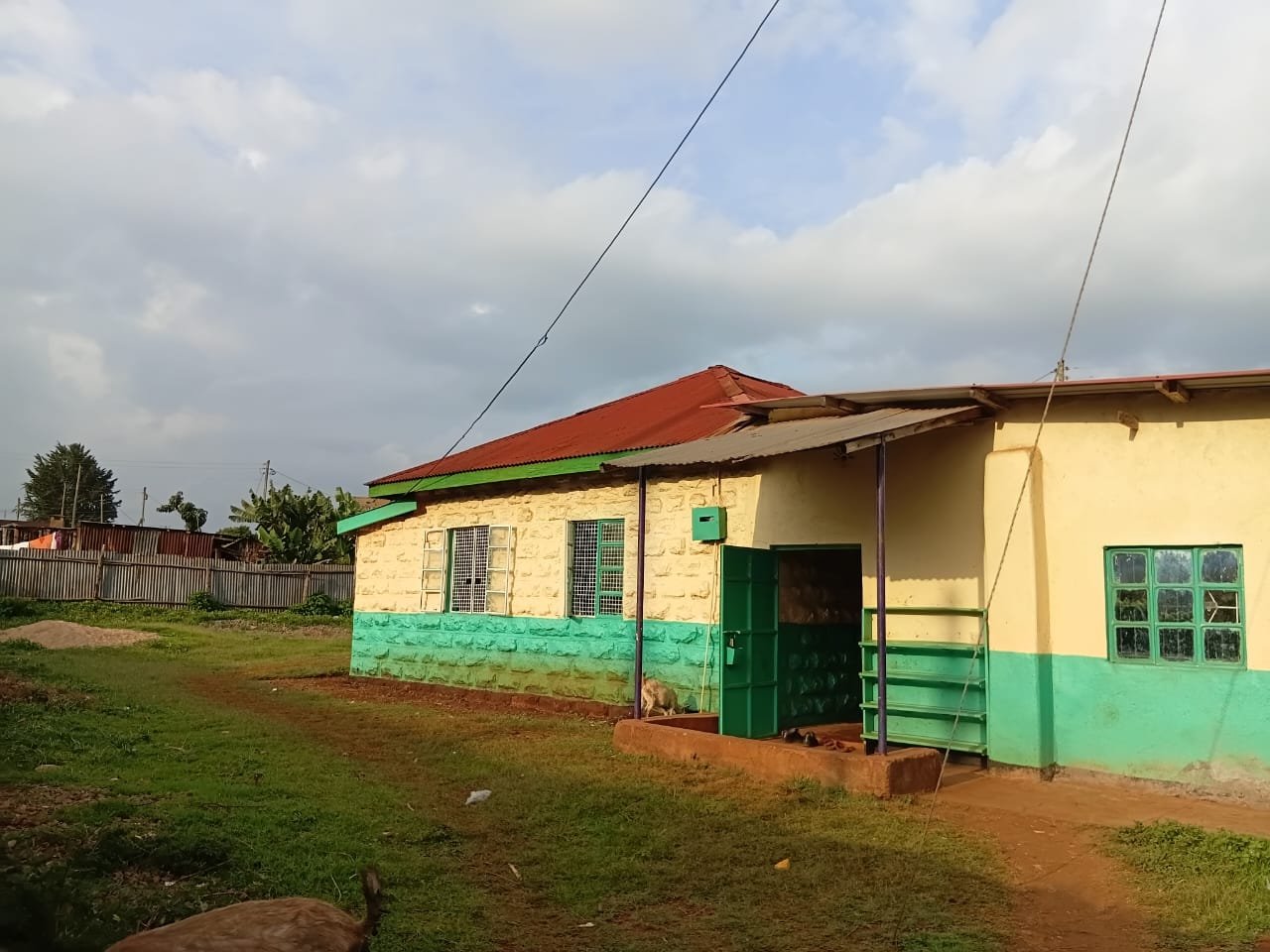
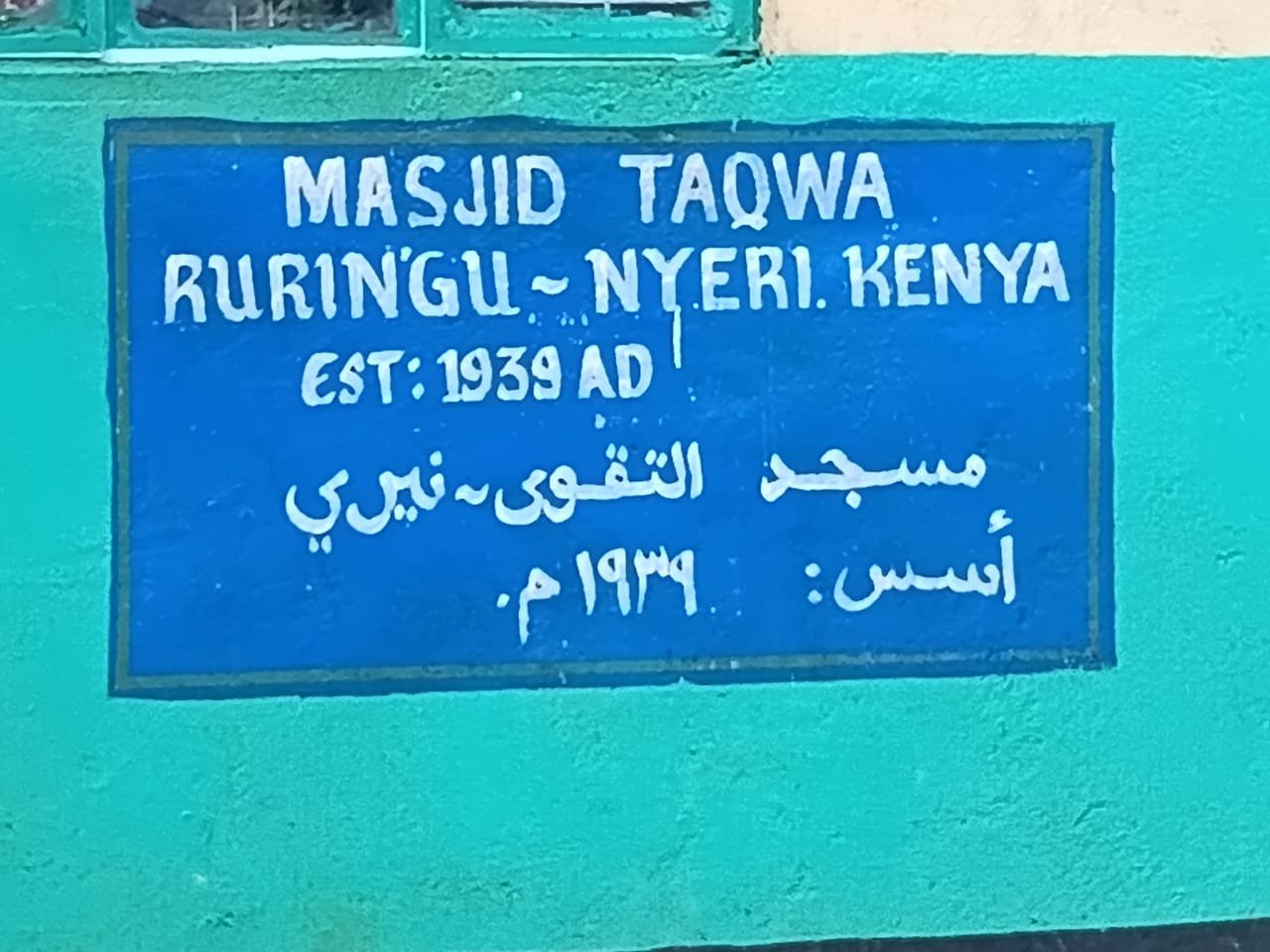
Masjid Taqwa in Ruring’u, Nyeri County commonly known as Ruring’u Mosque, stands as a significant historical and religious landmark tracing the early spread of Islam among the Kikuyu community in central Kenya. Community accounts indicate that the mosque was first established in 1932 by some of the earliest Kikuyu converts to Islam. Their parents, who were not happy at their embracing of a new faith, refused to pass their land down to their Muslim children, a central part of Kikuyu culture. Landless and rejected by their families, they established a new Muslim community on the outskirts of Nyeri town, building the small mosque making it among the first Muslim centres founded by indigenous adherents in the region. In 1939, the community constructed a permanent stone structure, which remains in use today symbolising decades of continuity in worship and community life.
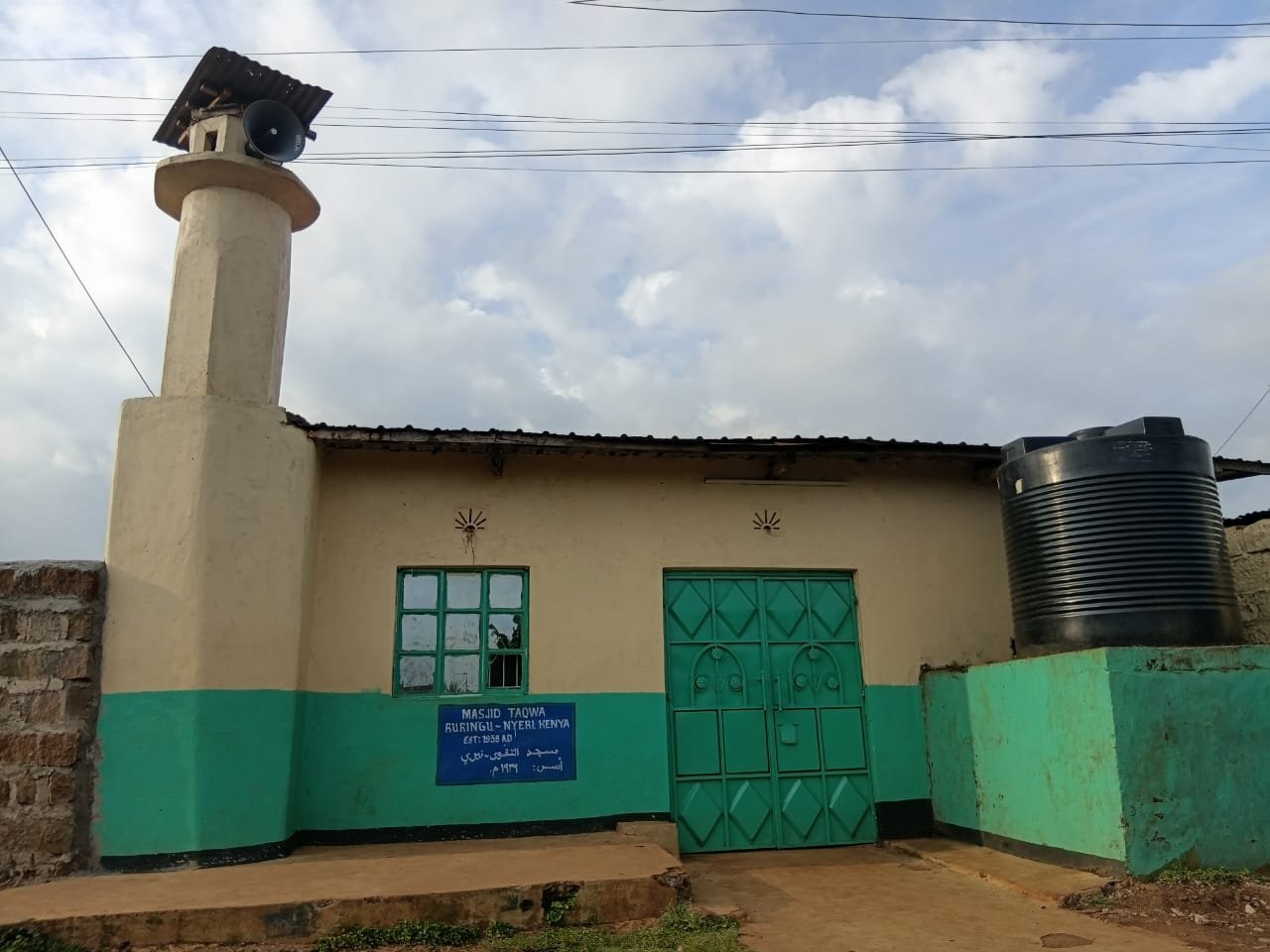
The development of Ruring’u Mosque reflects a broader socio-religious shift among sections of the Kikuyu who embraced Islam and gradually transitioned from rural agricultural life to more urban settlements. These early converts identified themselves as the Baladiya, derived from the Arabic word balad, meaning “town,” to distinguish themselves as town-dwelling Muslims within a predominantly agrarian community of the Agikuyu.
Community narratives further indicate that members of the Baladiya engaged in livestock trade, particularly goats, using the proceeds to acquire land across multiple towns. Their presence expanded widely from Garbatula to Naivasha forming a network of Muslim settlements across the Mount Kenya and central regions.
Ruring’u Mosque, whose permanent structure dates back to 1939, stands as one of the enduring outcomes of this expansion. Its growth also coincided with the presence of other Muslim communities in the area. Nearby Majengo village was largely settled by Muslim migrants during the colonial period, many of whom served as porters, soldiers, and cooks under the British administration. These communities traced their origins to regions including Pakistan, Tanzania, Zanzibar, Comoros, Uganda, Central Sudan, Ivory Coast and Iran. Asian Muslim traders, particularly from Pakistan, established themselves in a designated settlement in Nyeri known as Asian Quarters.
Despite this diversity, Ruring’u Mosque evolved into a distinct centre representing indigenous Kikuyu Muslims. From the pre-independence era through the 1960s and into the present day, it has remained a focal point for worship, education, and social organisation.
A key pillar of the mosque’s legacy is its madrasa, which currently serves about 70 pupils. Over the years, the institution has contributed significantly to Islamic education in the region, nurturing generations of learners. It also at one time hosted an orphan care centre, extending its role beyond religious instruction to social support.
Notably, among those linked to the institution is the current Governor of Isiolo County, Abdi Ibrahim Hassan Guyo. Community accounts indicate that he once lived and studied at the mosque as an orphan, a narrative often cited locally as evidence of the mosque’s lasting social impact.
Today, Ruring’u Mosque continues to serve not only as a place of worship but also as a symbol of historical continuity reflecting the growth of Islam among the Kikuyu, the evolution of Muslim settlements in central Kenya, and the enduring strength of community-led development.