
Open up your homes for vulnerable children, acting Chief Kadhi says as he roots for Kafaala
Kafaala is an Islamic system of fostering or guardianship where a family provides care, support, and upbringing for a child without a family, but unlike Western adoption, it does not legally sever the child's ties to their biological family.
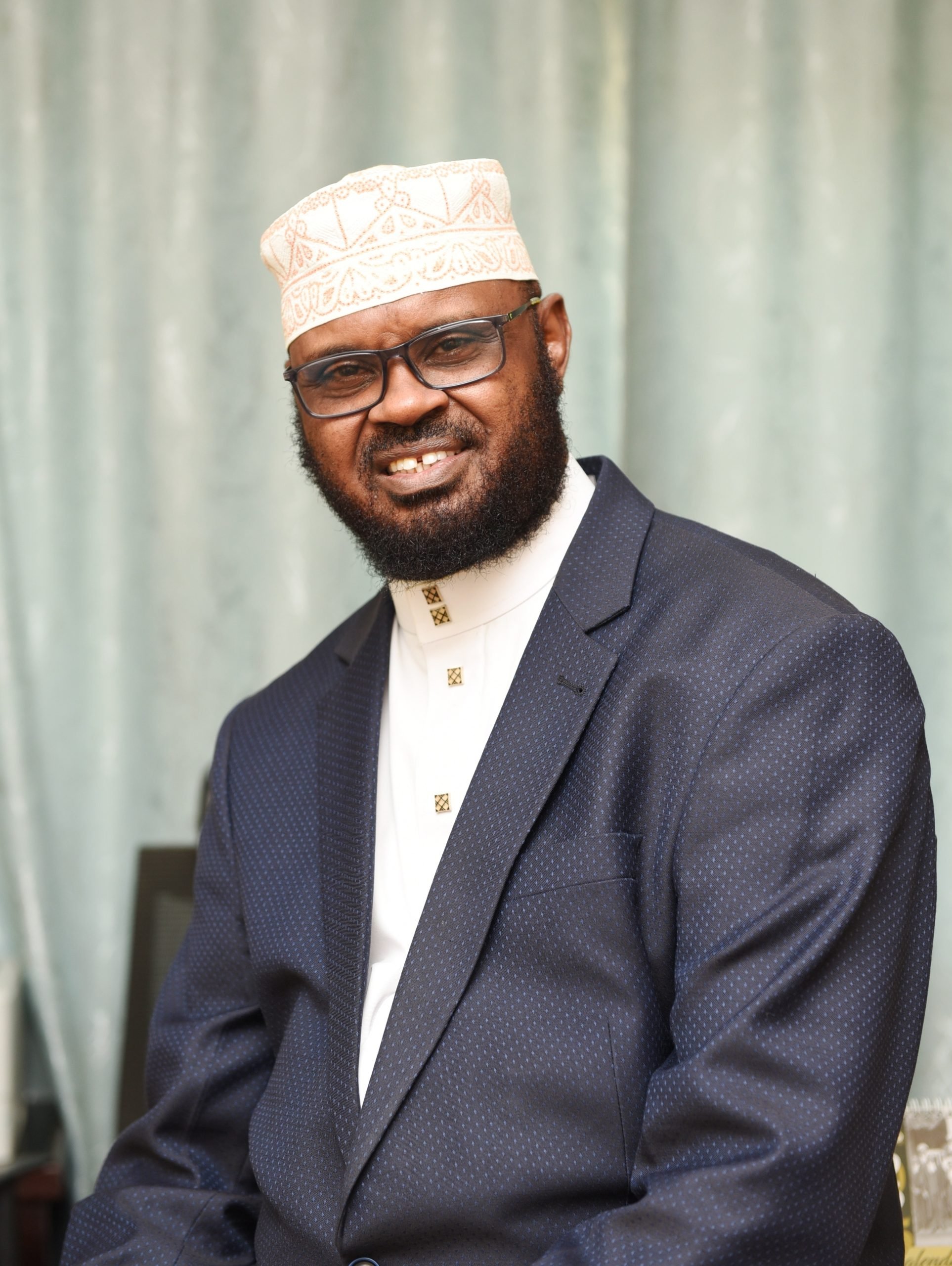
The acting Chief Kadhi has urged Muslims to embrace the Islamic adoption system, Kafaala, and provide orphans and vulnerable children with a safe space to grow.
During his keynote address at the launch of the national framework for Kafaala last week, Sheikh Sukyan Hassan Omar emphasized the spirit of raising children in a family setting, saying that is fundamental to their upbringing and nurturing.
“Let this celebration inspire us to uphold the principles we have nurtured over the years, to continue opening our hearts and homes to vulnerable children, and to ensure that the spirit of Kafālah remains alive in our communities long into the future,” he said.
Kafaala is an Islamic system of fostering or guardianship where a family provides care, support, and upbringing for a child without a family, but unlike Western adoption, it does not legally sever the child's ties to their biological family.
Quoting the Qura’n and the traditions of the Prophet, the acting Chief Kadhi said Islam places great emphasis on the care of vulnerable children notably orphans. “Doing good for orphans is best” (Qur’an Al-Baqarah 2:220). “And the Prophet (peace be upon him) promised closeness to him in Paradise for the one who cares for an orphan,” he added.
The Sheikh described the launch as a celebration of the successful completion of a profound and transformative journey of the Kafālah Programme. “What began seven years ago as a shared vision has now matured into a national achievement that stands as a testament to faith, collaboration, and unwavering dedication to the wellbeing of children,” said the acting Chief Kadhi.
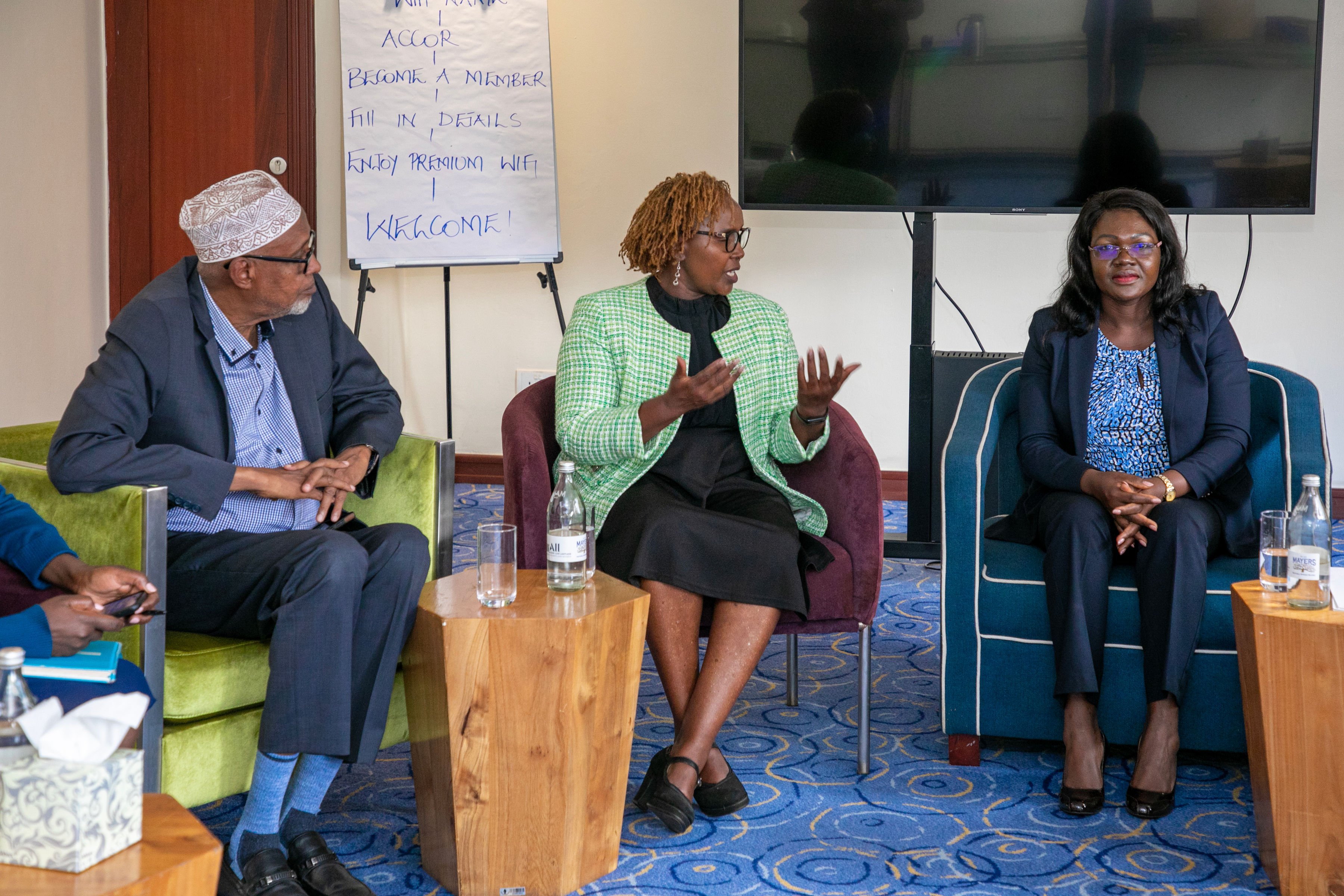
The former director of Children Services Ahmed Hussein with the Catholic Relief Services country director Margaret Kahiga and the PS Gender and Children Services Carren Agen'go during the launch of the Kafaala National Framework
Speaking at the event, the Principal Secretary in the Ministry of Gender, Culture and Children Services Carren Ageng'o emphasized that awareness and advocacy efforts through community dialogues, faith engagement, and media are shifting long-standing beliefs from caring for children in orphanages to the alternative family care, which she said was the best option for vulnerable children.
“Children in family-based care experience better health, stronger identity, improved education outcomes, and long-term well-being. Families become more resilient and better equipped to break cycles of poverty and separation,” said the PS.
In her address, the country manager for CRS Kenya, Margaret Kahiga applauded the government, particularly the State Department for Children Services, for its support during the Kafaala journey.
She also commended the support and participation of Muslim institutions, saying that they were instrumental in formulating guidelines that helped in the realization of the National Kafaala framework.
“We recognize the contribution of Kadhis Courts, the Kadhis, various Muslim organizations including SUPKEM, CIPK, Sheikhs and Scholars, for playing a pivotal role in strengthening Kafaalah, an Islamic model of care for children in Kenya,” she said.
The launch of the framework came amidst key national reforms—most notably the Children Act, 2022 and the National Care Reform Strategy—which call for a shift from institutional care to family- and community-based care.
The event held at a Nairobi hotel was attended by representatives of the Kenya Conference of Catholic Bishops (KCCB), the Association of Member Episcopal Conferences in Eastern Africa (AMECEA), representatives from United Nations agencies and faith-based organisations.