
Nyeri’s Majengo residents decry lack of infrastructure development
Whille across much of the county, estates and villages have benefited from road upgrades under the administration of Governor Mutahi Kahiga, in Majengo, the situation is markedly different
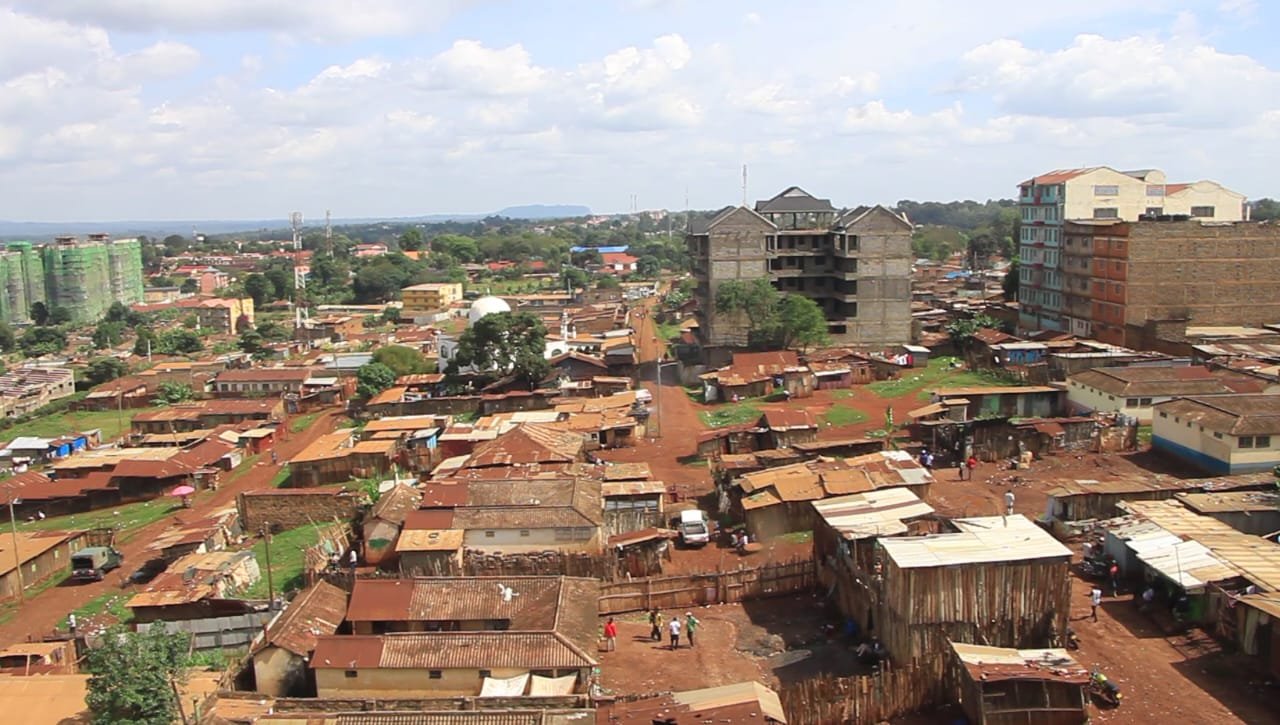
Residents of Majengo Estate, Nyeri are increasingly raising concerns over what they say is persistent neglect in road and drainage development, questioning whether their predominantly Muslim neighbourhood is being treated as second-class area within the County.
Across much of the county, estates and villages have benefited from road upgrades under the administration of Governor Mutahi Kahiga. Bitumen roads and improved drainage systems have been rolled out in many residential areas, making transport easier and reducing flooding during the rainy season.
But in Majengo, residents say the situation is markedly different. The estate’s roads remain largely unpaved. During dry seasons they are dusty, while during heavy rains they turn into muddy tracks that are difficult for vehicles and pedestrians to navigate. Drainage trenches are often blocked, leading to flooding and occasional sewage overflow.
A video that recently circulated on social media captured some of these conditions during intense rains, showing water mixed with sewage spilling onto the muddy roads after drainage channels became clogged. For many residents, the images reflected what they have been experiencing for years.
The estate is known locally as a Muslim-majority neighbourhood and hosts a major mosque as well as a number of community institutions. One of the most significant developments underway is a modern five-storey waqf endowment building that is still under construction and is expected to house businesses and services that would support the community economically. Yet residents say the surrounding infrastructure threatens the viability of the project.
“How will a state-of-the-art endowment building attract customers when the roads leading to it are muddy during the rains and dusty most of the year?” asked Isa Gitaka, who has spoken publicly about the issue.
According to residents, even the main access road to the mosque remains an unpaved dusty road. Worshippers attending prayers often have to walk through dust during the dry season and mud during the rainy season. Locals say this stands in contrast to other major religious facilities in different parts of the county that are connected by tarmacked roads and proper drainage.
This disparity has led some residents to ask a difficult question: are the Muslims of Majengo being treated as second-class citizens within Nyeri? Community members say they are not seeking special treatment but equal consideration in county development planning.
“We are citizens of this county and of Kenya,” one resident said. “All we are asking is the same infrastructure that other estates have received.”
For now, the question continues to linger among residents: whether the continued neglect of Majengo’s roads reflects a planning oversightor whether deeper issues, including religious marginalization, may be at play. Residents say they hope county authorities will respond by addressing the infrastructure gap and ensuring that Majengo is included in future road and drainage projects so that the estate can develop on equal footing with the rest of Nyeri.