
Mosque Open Day: Leaving behind a fragrance that lingers
In an increasingly polarized world coupled with the climate of Islamophobia and religious intolerance, Mosque Open Day events represent a good opportunity to clear misconceptions about Islam and its pristine teachings.
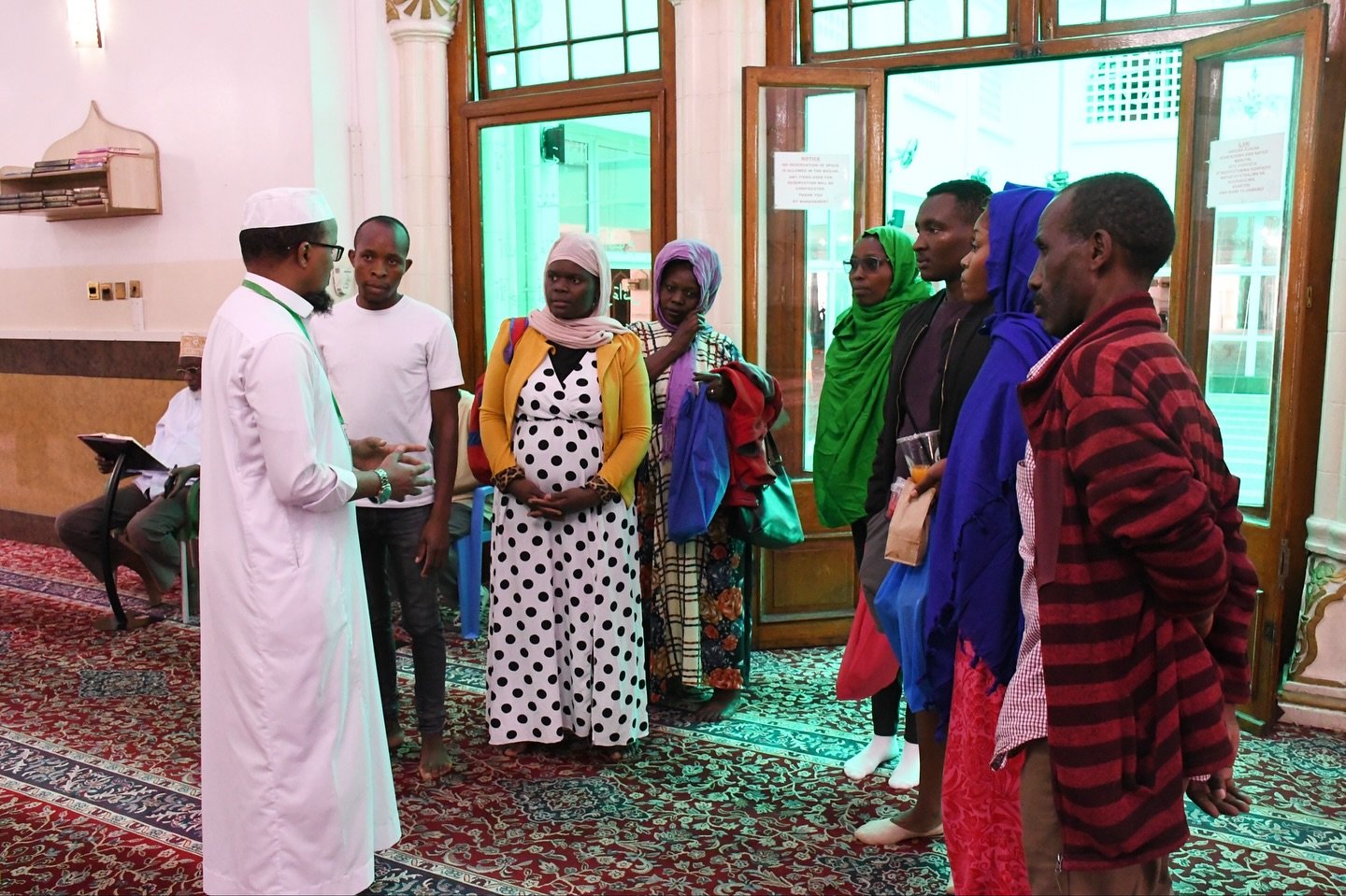
On Saturday, November 1, Jamia Mosque, Nairobi organized the 9th edition of the Open Day event where the mosque opens its doors to the wider community.
Hundreds turned up at the event, many for the first time, to experience what takes place inside the mosque and gain an insight about the beliefs and practices of Islam.
The Open Day programme has been a trending feature in many cities around the world, where mosques invite people of all faiths and backgrounds to explore what is inside the mosque and learn about Islam. The event provides a unique opportunity for individuals to gain insights into Islamic traditions, practices, and values.
The programme fosters interfaith dialogue, build bridges of understanding, and serves as a platform for dispelling misconceptions, promoting tolerance, and nurturing a spirit of inclusiveness, where people come together to celebrate diversity and embrace shared values.
In an increasingly polarized world coupled with the climate of Islamophobia and religious intolerance, Mosque Open Day events represent a good opportunity to clear misconceptions about Islam and its pristine teachings.
Inviting non-Muslims into the mosque is not a new phenomenon, and there are several authentically established reports that non-Muslims were invited to enter the Prophet’s Mosque in Madina, and the Messenger of Allah, peace be upon him, would host non-Muslim delegations within the mosque—the most famous being the Christian deputation from Najran in Yemen.
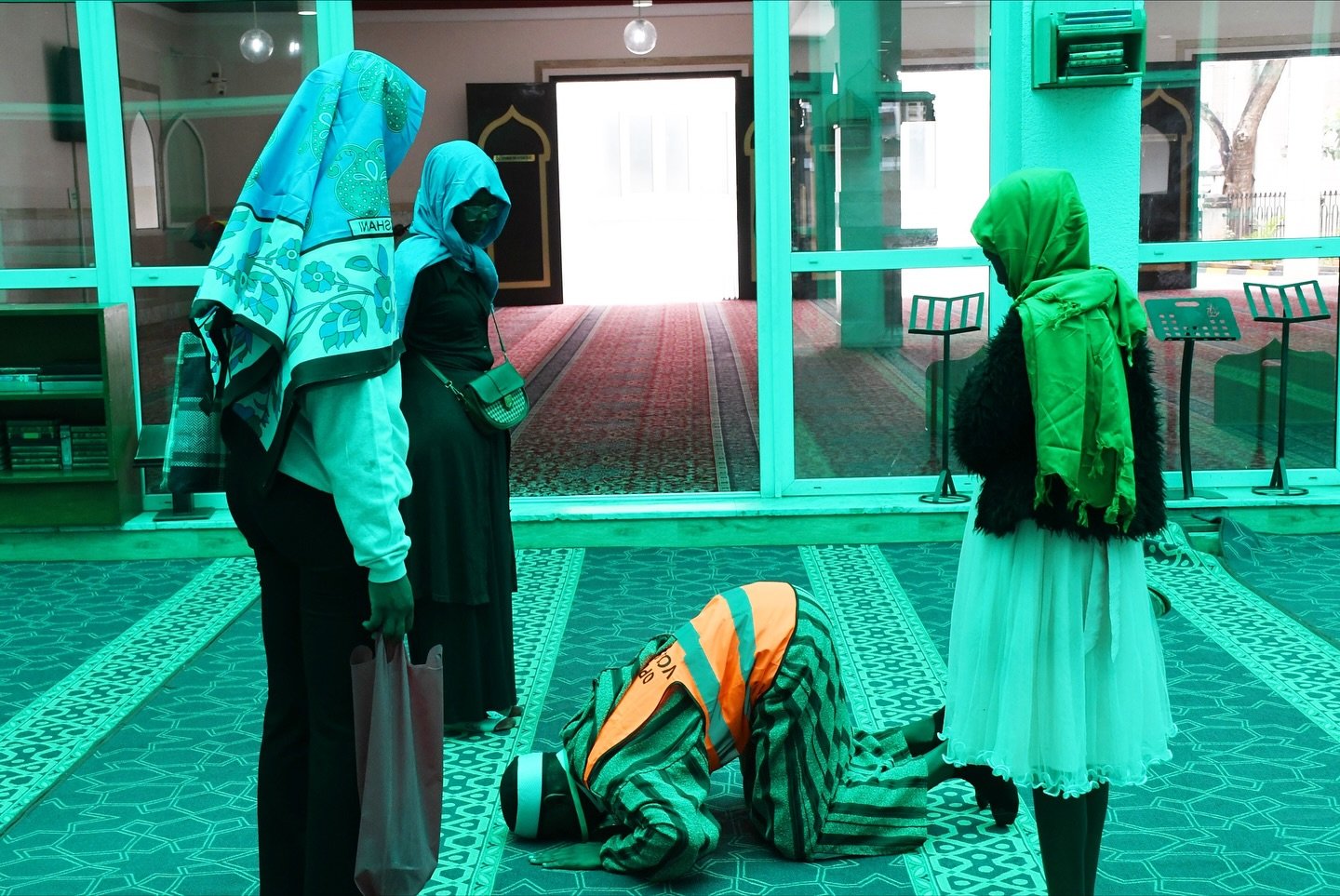
Sheikh Ibrahim Njuguna, the Da'wah Officer of Masjid Al Ameen demonstrates the Islamic prayer to the non-Muslim visitors
The mosque remains an important religious-social facility for Muslims but for many non-Muslims, it may appear as a mysterious or an exclusive space.To demystify these misunderstandings, visitors are given free access to the mosque, where they get a firsthand experience about what goes on within the walls of the mosque and other practices as well as being given an opportunity to ask questions about Islam.
Whilst many mosques appear grand and splendid from the outside, visitors are often astonished by the simple and plain nature of the prayer area inside, with a carpet being the main feature. For many, it is a surprising experience to discover that, unlike other places of worship, the mosque has no statues, paintings, altars, or special places reserved for prominent personalities. Moreover, there are no priests or holy men responsible for prayers and worship rituals.
Further, Open Day events allow visitors to see that mosques are not only places of worship but also centers for community activities, learning, and charity.
At the same time, the programme helps in presenting Islam in its authentic form to the general populace, showcasing values like tolerance, respect, and equality, which often get overshadowed by misinformation.
The open day fosters an environment of open dialogue where the attendees engage with Islamic scholars, sharing perspectives and breaking down preconceived notions.
But as we reflect on the experiences of people of other faiths coming into the mosque, it is also prudent to ask ourselves about our attitudes towards the masjid. While non-Muslims may eagerly await the opportunity to visit the mosque, how many Muslims choose to neglect the obligation to go to the mosque to worship their Creator?
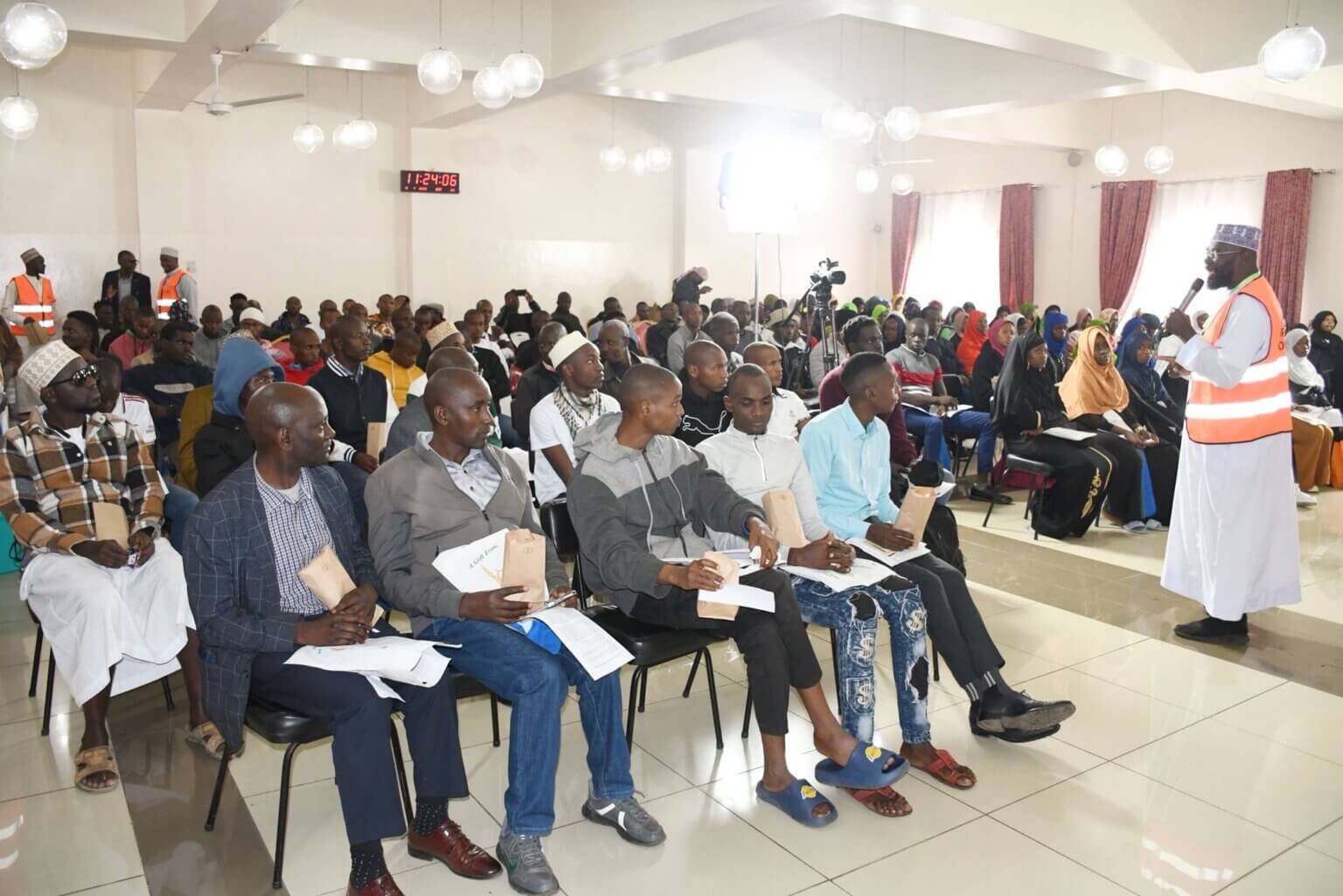
Sheikh Athman Darwesh in an engagement with the visitors during the Open Day in July this year
While Islam is a universal faith with diverse people from all backgrounds, some individuals contravene this principle and show open aversion to their fellow Muslims in the mosque. Cases abound where some Muslims have encountered nasty experiences, being asked if they are indeed Muslims while inside the mosque. Unfortunately, this sickening, un-Islamic attitude is a common tendency in some mosques in Nairobi and other parts of the country.
While we take pride in the fact that the masjid exemplifies the equality of mankind, does this principle reflect in our homes, workplaces, and society during our interaction with people of other faiths? Are house helps in our homes treated as helpers or as slaves? As we enjoy the sumptuous dishes of biryani, chicken tikka or arosto and do we also find it prudent to share the same meals with the house helps and askari who guard our homes?, or are they left to eat leftovers or served ugali and sukuma wiki? Are we conscious of the Prophet's (salallahu alayhi wa sallam) advice on treating servants when he said, “Anyone who has his brother under his authority, let him feed him the same food as he eats and dress him in the same clothes as he wears. Do not overwhelm them with work, and if you give them work to do, then help them with it.” (Bukhari and Muslim)
In the workplaces, do we give due rights, fair wages, and good employment terms to our non-Muslim employees? At the societal level, do we extend the principles of justice and fairness to our non-Muslim compatriots, thereby showing them the beautiful facets of Islam?
As we reflect on non-Muslims experiencing a warm and friendly experience in the mosque, with the expectations that they will leave with a different and positive view about Islam and Muslims, the same sense of compassion ought to be extended to them while outside the walls of the masjid. Our brethren in humanity should experience the best of Islam in our speech, conduct, mutual dealings and transactions. They need to experience the values of kindness, fairness, humility as well as the principles of justice, equality, and respect that are core to Islamic teachings.
This will not only make us valuable ambassadors of Islam but also leave behind a fragrance that lingers, serving as a reminder to uphold the noble values of Islam in our everyday life, beyond the event.