
Maximizing the Blessings of the Day of ʿArafah
This extraordinary day is a mercy for the entire ummah, offering immense opportunities for forgiveness, spiritual renewal, and closeness to Allah.
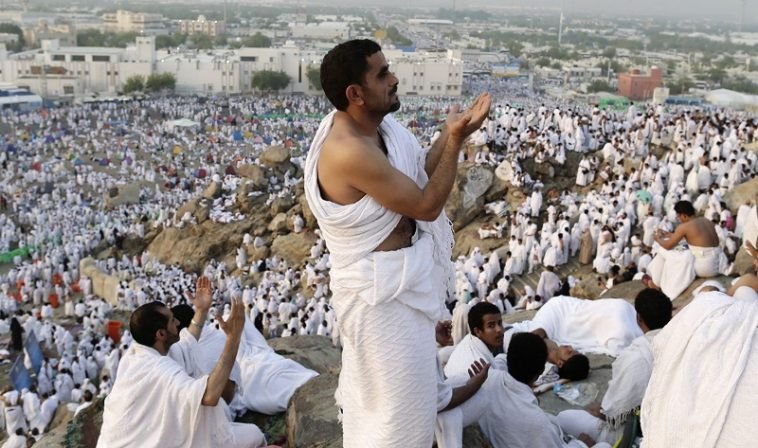
The Prophet ﷺ said: “Hajj is ʿArafah, Hajj is ʿArafah, Hajj is ʿArafah.” (Sunan al-Tirmidhi and Sunan al-Nasa’i)
The Day of ʿArafah is the heart and pinnacle of Hajj. It falls on the 9th of Dhul Hijjah and is among the most sacred and virtuous days in the Islamic calendar. For pilgrims, standing on the plains of ʿArafah in worship and supplication from Dhuhr until sunset is the essential pillar of Hajj—without it, the pilgrimage is incomplete.
Yet the blessings of this day are not limited to those performing Hajj. For Muslims around the world, the Day of ʿArafah is a deeply personal opportunity to turn back to Allah with sincerity, humility, and hope. It is a day to seek forgiveness, pour out one’s heart in duʿa, and renew one’s connection with the Creator. The Prophet ﷺ said: “There is no day on which Allah frees more people from the Fire than the Day of ʿArafah.” (Sahih Muslim)
This extraordinary day is a mercy for the entire ummah, offering immense opportunities for forgiveness, spiritual renewal, and closeness to Allah. It is also the day on which Allah revealed the completion of Islam: “This day I have perfected for you your religion, completed My favor upon you, and approved for you Islam as your religion.” (Qur’an 5:3)
The Day of ʿArafah is also linked to the covenant between Allah and all of humanity: “And [mention] when your Lord took from the children of Adam—from their loins—their descendants and made them testify concerning themselves, [saying], ‘Am I not your Lord?’ They said, ‘Yes, we testify.’” (Qur’an 7:172)
Below are practical ways to maximize the blessings of this sacred day:
1. Increase in Duʿa and Dhikr
The Prophet ﷺ said: “The best supplication is the supplication on the Day of ʿArafah. The best of what I and the prophets before me have said is: ‘There is no deity worthy of worship except Allah alone, without partner. To Him belongs all dominion and praise, and He has power over all things.” (Sahih Muslim)
Spend the day engaged in sincere duʿa and remembrance of Allah. Raise your hands with humility, ask Allah for your needs, seek His forgiveness, and remember Him frequently through dhikr. Let your heart be filled with gratitude, hope, and dependence upon Him.
2. Fast on the Day of ʿArafah
For those not performing Hajj, fasting on this day is highly recommended and carries immense reward. The Prophet ﷺ said that fasting on the Day of ʿArafah:
“Expiates the sins of the previous year and the coming year.” (Sahih Muslim)
Along with abstaining from food and drink, strive to guard your tongue, eyes, ears, and actions. Let your fast be one of both body and soul.
3. Observe the Sunnah Prayers
Make an effort to perform the sunnah prayers throughout the day with sincerity and focus. Approach your salah with khushuʿ—presence of heart and mindfulness before Allah. Preparing yourself mentally and spiritually to gain closeness to Allah on this day is itself an act of worship.
4. Reflect on the Prophet’s Final Sermon
It was on the Day of ʿArafah that the Prophet ﷺ delivered his final sermon to the ummah. This historic sermon marked the completion of Islam and contained timeless guidance for humanity.
In it, the Prophet ﷺ emphasized justice, the sanctity of life and wealth, the prohibition of usury, kindness toward women, racial equality, and adherence to the Qur’an and Sunnah. Reflecting on this sermon reminds us of the core values and principles of Islam.
5. Renew Your Covenant with Allah
The Day of ʿArafah is an ideal time to reflect on the covenant humanity made with Allah when He asked:
“Am I not your Lord?”
And every soul responded:
“Yes, we testify.” (Qur’an 7:172)
Use this day to renew your commitment to Allah. Reflect on your shortcomings, sincerely repent, and seek to strengthen your relationship with Him. Consider making a meaningful personal change that will bring you closer to Islamic teachings and greater consistency in worship.
Write down a sincere promise to Allah—something you intend to improve in your spiritual life—and ask Him for the strength and guidance to fulfill it. Let this blessed day become a turning point in your journey back to Him.
The Day of ʿArafah is truly a gift from Allah: an opportunity to erase sins, revive faith, and draw nearer to Him. May Allah allow us to witness this day with sincerity and devotion, accept our worship, forgive our shortcomings, and include us among those freed from the Fire. Ameen.
A special reminder for menstruating women
For menstruating women, the blessings of the Day of ʿArafah are not out of reach. Although fasting, salah, and tawaf are not permitted during menstruation, there are still countless ways to worship Allah and earn immense reward on this blessed day.
Acts of Worship You Can Still Perform
You can continue engaging in many forms of devotion, including:
- Duʿa (Supplication): The Day of ʿArafah is especially a day of duʿa. Spend time sincerely calling upon Allah, asking for forgiveness, mercy, and guidance.
- Dhikr and Istighfar: Frequently recite phrases such as SubhanAllah, Alhamdulillah, La ilaha illallah, Allahu Akbar, and Astaghfirullah.
- Reciting Qur’an: Many scholars permit menstruating women to recite Qur’an from memory or from a phone or digital device, though touching the physical mushaf is generally avoided.
- Charity: Giving sadaqah on this blessed day is highly rewarding.
- Listening to Islamic Reminders: Listening to Qur’an recitation or beneficial lectures can strengthen faith and increase knowledge.
- Maintaining Good Character: Display kindness, patience, gratitude, and excellent manners throughout the day.
In Islam, refraining from fasting and prayer during menstruation is not a punishment or spiritual deficiency. It is an act of obedience to Allah’s command. A woman is rewarded for her sincere intentions and devotion, and her inability to fast or pray does not reduce the mercy and blessings available to her on this sacred day.