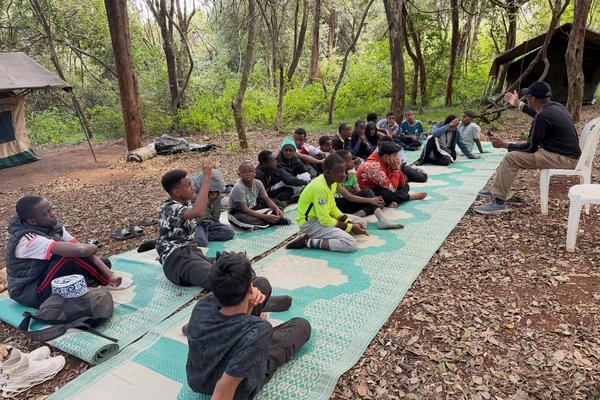
Kitui and Garissa governors hold meeting to de-escalate Mwingi tensions
The meeting came amid growing calls for dialogue between the two communities following days of protests, destruction, and looting in Mwingi town.

In a move to de-escalate tensions in Mwingi, leaders from Kitui and Garissa counties have started discussions to resolve the conflict between the Kamba and Somali communities.
On Thursday, April 30, Kitui Governor Julius Makau Malombe and his Garissa counterpart, Nathif Adam, met at Nguni Market in Mwingi Central to discuss ways of resolving the conflict, which followed retaliatory attacks that claimed several lives among the Kamba and Somali communities.
County officials and security teams from both counties were in attendance at the meeting.
The meeting came amid growing calls for dialogue between the two communities following days of protests, destruction, and looting in Mwingi town.
Former Mandera Senator Billow Kerrow urged leaders from Garissa and Mwingi to engage in dialogue and de-escalate rising tensions between local residents and Somali communities. He emphasized the interdependence of the two groups, noting that beyond being neighbours, they share strong economic ties, particularly in the livestock trade.
Billow condemned inciteful remarks from both sides and called on authorities to take swift action against criminal who were killing innocent people and destroying the livelihoods of Kenyans.
“Criminals who kill innocent Kenyans and destroy their livelihoods on both sides should be pursued and brought to justice by our security agencies with haste. Taking the law into our own hands by either side will only escalate violence,” he said in a post on X.
Echoing his sentiments, former Garissa Governor Ali Korane urged the political leadership of Garissa and Kitui counties, to move with speed and urgency to de-escalate tensions, restore peace and safeguard lives. “They must urgently convene meetings that allow for dialogue, understanding, and harmony between the affected communities,” he said.
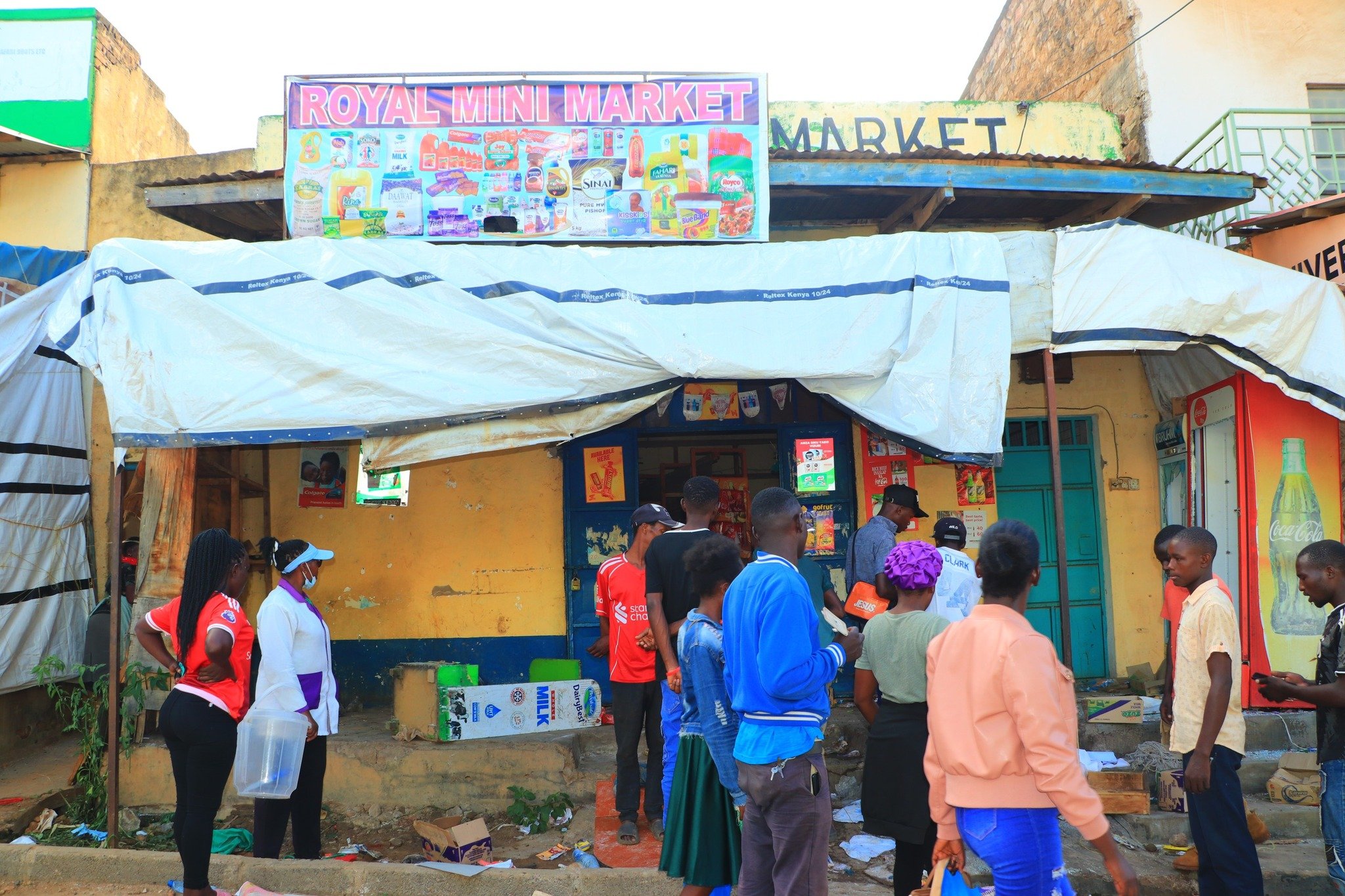
The unrest stems from a conflict between farmers and pastoralists that escalated into reprisal attacks, leaving more than 10 people dead.
Related

In recent days, Mwingi town in Kitui County has experienced a surge in ethnic tensions, marked by attacks on buses traveling to and from Garissa, as well as targeted destruction of Somali-owned businesses. Traders have reported losses amounting to millions after shops were looted and property destroyed.
Several transport companies have suspended operations after passenger buses were stoned, while others have rerouted through Isiolo as insecurity persists along the Mwingi–Garissa corridor.
In the aftermath of the looting, several Somali residents sought refuge at Mwingi Police Station, where they spent the night with their families.
Despite the National Police Service (NPS) deploying officers from the General Service Unit (GSU) and Rapid Deployment Unit (RDU) to escort vehicles and restore order along the Mwingi–Garissa road, the situation remains volatile.
In a statement issued on Wednesday, NPS spokesperson Muchiri Nyaga said elite officers had been dispatched to stabilize the region and protect both travellers and businesses.
“Investigative and intelligence teams are currently following crucial leads to track down the perpetrators. We are closing in on these suspects with the objective of apprehending them,” he said.
“We urge the people of Tseikuru, Ukasi and surrounding areas to remain calm and go about their business and not engage in speculation or actions that could escalate tensions,” he added.
Police have called on elders, religious leaders, and politicians to support peace efforts and help prevent further escalation.