
KeNHA to fast track Sh10 Billion Mombasa-Kilifi Highway Project
Construction works are expected to regain momentum, with completion projected for early 2027.
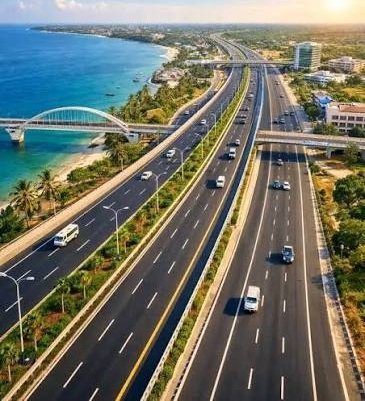
The Kenya National Highways Authority (KeNHA) has released Sh4.3 billion to compensate residents and traders affected by the ongoing Mombasa–Mtwapa–Kilifi road expansion project, paving the way for faster implementation of the Sh10 billion infrastructure upgrade.
The project, which commenced in 2021, had stalled in several sections due to prolonged land acquisition and compensation disputes. With the release of the funds, construction works are expected to regain momentum, with completion now projected for early 2027.
Among the sections set for accelerated works is the Mtwapa Bridge, where a new dual-carriageway bridge will replace the current single-carriageway structure in a move aimed at easing traffic congestion along the busy corridor.
Join Our WhatsApp Channel for Updates and Announcements
The project will see the construction of a dual carriageway from the Mtwapa Bridge to Kwa Kadzengo, upgrading the existing road to Kilifi Bridge, and developing key infrastructure including the Mtwapa roundabout bridge, Mbogolo River Bridge, a weighbridge with access roads, a market at Takaungu, and three spur roads at Ronald Ngala, Shariani and Takaungu.
Speaking during an inspection tour of the Mtwapa Bridge project on Thursday, May 14, KeNHA Deputy Director Cleophas Makau said the compensation exercise would help unlock stalled sections of the project and allow contractors to proceed without further interruptions.
“We have sent Sh3.5 billion to the National Land Commission (NLC), and we are waiting for them to facilitate the relocation process so that they can pave the way for the project,” said Makau.
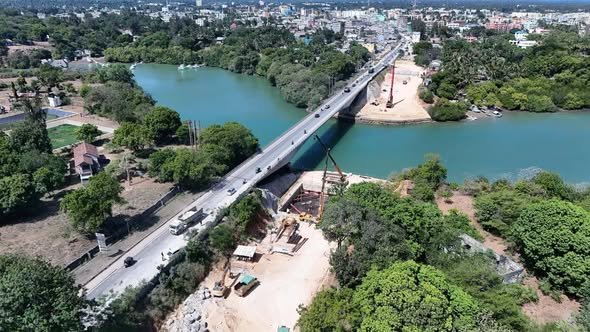
The current Kilifi bridge
The expansion of the Mombasa–Mtwapa–Kilifi corridor is expected to significantly ease traffic congestion on the highway linking Mombasa to Malindi, while also improving transport efficiency, trade, and tourism activities along the Coast region.
The project is jointly funded by the African Development Bank (AfDB), the European Union (EU), and the Government of Kenya.