
Jamia Mosque Iftar programme supports over 2,000 families during Ramadhan
The initiative—run under the mosque’s social welfare programme—has reached thousands of families in Nairobi and other parts of the country
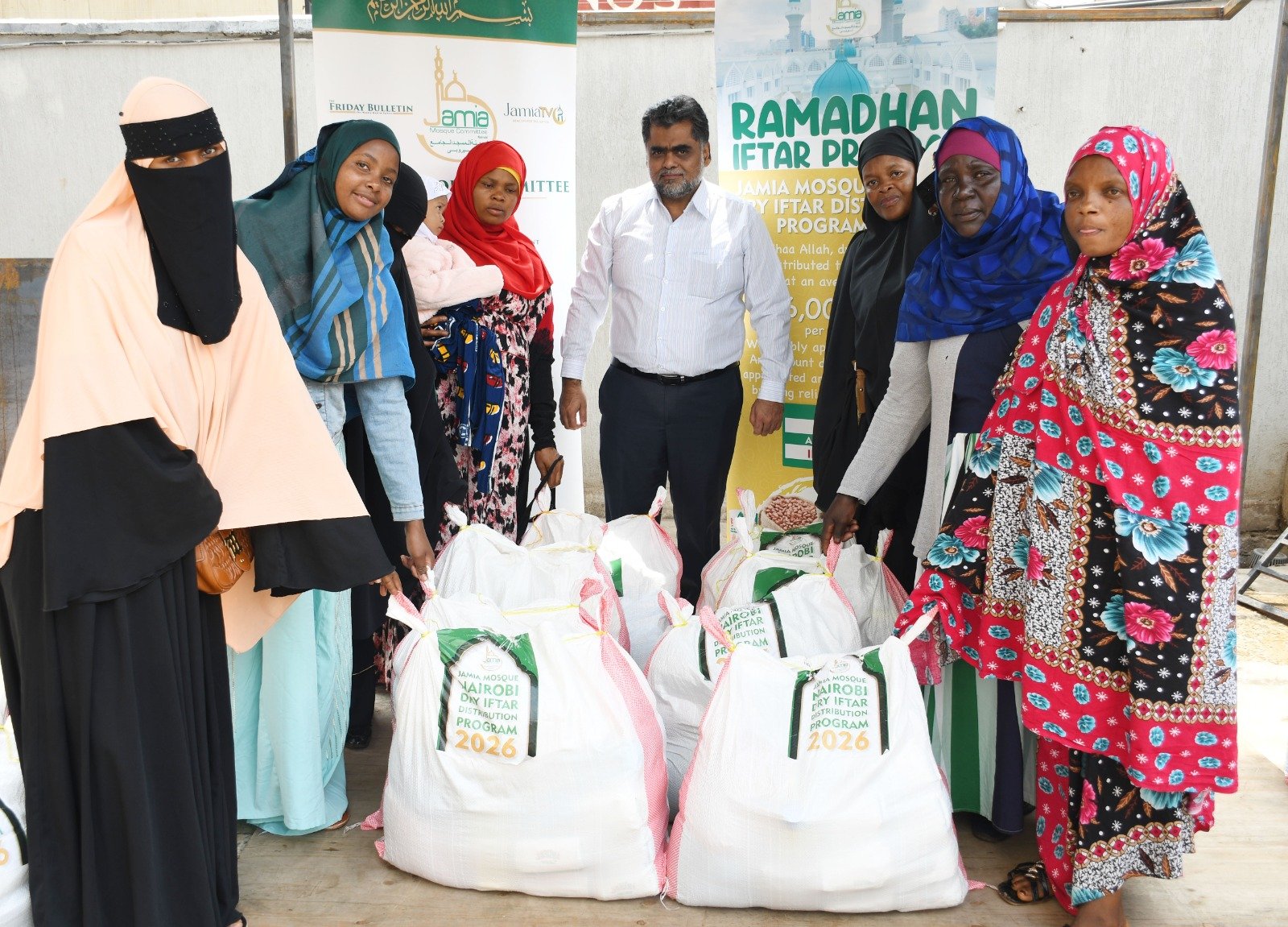
More than 2,000 families in Nairobi and surrounding areas have benefited from the Jamia Mosque iftar support programme aimed at assisting vulnerable households during the holy month of Ramadhan.
Now in its sixth year, the initiative—run under the mosque’s social welfare programme—has reached thousands of families in Nairobi and other parts of the country, providing essential food supplies to help them observe the fasting month with dignity.
The programme was introduced in the aftermath of the COVID-19 pandemic, when the mosque shifted from offering communal hot meals during Ramadhan to distributing dry food rations to families in need.
Before the pandemic, Jamia Mosque in Nairobi’s central business district hosted hundreds of fasting Muslims daily for communal iftar meals within its premises. However, public health restrictions and safety concerns during the global health crisis forced the suspension of the large-scale gatherings.
In response, the mosque adopted a new approach—distributing dry food packages directly to families. According to mosque officials, the change has proven to be both efficient and far-reaching, enabling the programme to support more households while allowing families to prepare meals in their own homes.
Speaking during a food distribution exercise in Gachie, Nairobi Jamia Mosque Committee (JMC) Finance Officer Aboobakar Nazir said the programme has expanded steadily and now plays a critical role in supporting struggling families.
“Many families are facing financial strain. The high cost of living has made it difficult for them to afford basic food supplies. As a mosque, we feel obligated to step in and ease their burden during Ramadhan,” he said.
Each food package contains essential household staples including rice, maize flour, sugar, beans, wheat flour, and cooking oil. The supplies are designed to sustain beneficiary families throughout the month-long fasting period.
Among areas which benefited from the exercise included Kibra, Deep Sea slums in Parklands, Mukuru Kwa Njenga, Kangemi, Riruta, Huruma and Majengo. The programme also covered srought stricken in parts of North Eastern and coast regions.
Mosque officials say the dry food distribution model has allowed the programme to reach a wider network of beneficiaries, particularly low-income families who continue to grapple with rising living costs.
Last week, Jamia Mosque resumed its daily hot meals programmes for fasting Muslims. Thr programme is being undertaken in partnership with the Religious Attache of the Saudi Arabian embassy.