
Israel closes Al-Aqsa Mosque for third consecutive day amid security tensions
The closure began on Saturday after Israeli authorities declared a state of emergency following the outbreak of hostilities involving Iran
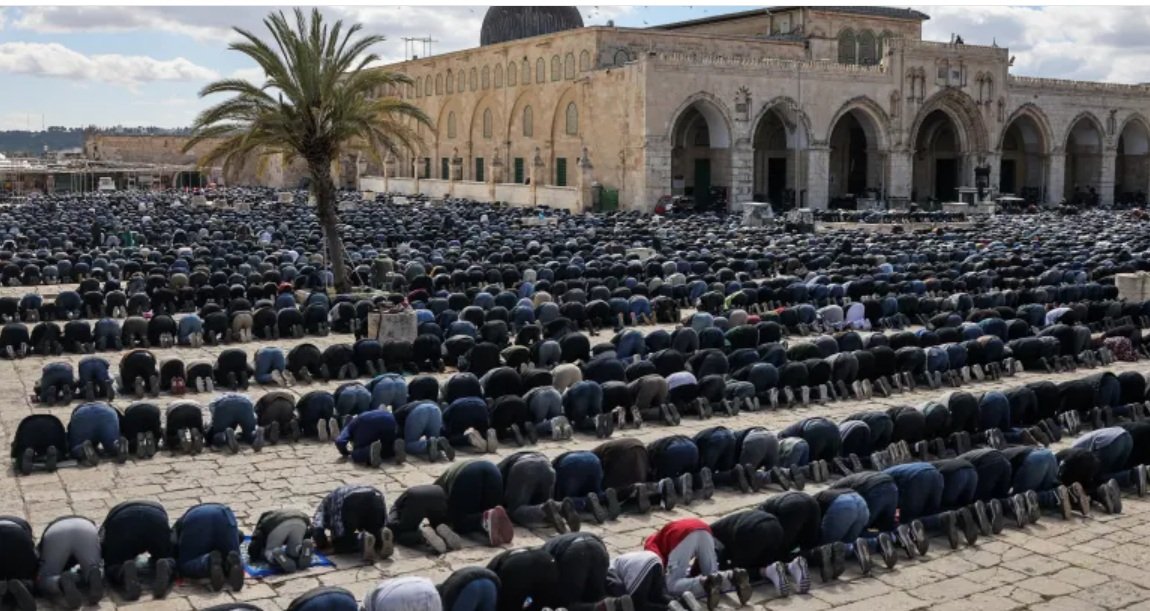
The Israeli occupation has kept Al-Aqsa Mosque closed to Muslim worshippers for a third consecutive day, citing the volatile security situation in the region.
Jerusalem sources reported that Israeli forces reinforced their presence around the mosque compound and the gates of the Old City, deploying large numbers of border police and special units. Palestinians were prevented from entering to perform prayers, while access routes leading to the compound were heavily restricted.
Witnesses said that several worshippers attempting to reach the mosque gates were turned back, and parts of the Old City were effectively transformed into a closed military zone.
The closure began on Saturday after Israeli authorities declared a state of emergency following the outbreak of hostilities involving Iran. Since then, the mosque compound has remained sealed, with worshippers ordered to leave the premises.
Many Jerusalem residents have expressed concern that the authorities may be using the current regional escalation to impose new measures at the site. Observers warn that any alteration to the long-standing status quo governing Al-Aqsa Mosque could have far-reaching religious and political consequences.
Sheikh Ikrama Sabri, the head of the Supreme Islamic Council in Jerusalem, has condemned the Israeli occupation authorities’ decision to close the mosque, stating that there is “no justification” for the measure and warning that its objective is to impose control over the holy site.
In remarks carried by Al Jazeera , Sabri said the occupation authorities were exploiting the declared state of emergency to restrict access to the mosque and consolidate control over it.
“The occupation authorities exploit any occasion to close Al-Aqsa, and this is completely unjustified,” he said, noting that worshippers had been prevented from performing evening and Taraweeh prayers during Ramadhan.
Sabri explained that at the onset of the war, worshippers, Sharia court staff and school employees were evacuated from the compound, leaving only mosque guards before the site was fully closed.
He argued that the closure represents “police domination under the pretext of security”, describing it as unnecessary and contrary to freedom of worship. He added that the move undermines the authority of the Islamic Waqf, the Jordan-affiliated body responsible for administering the mosque.
The continued shutdown has prevented tens of thousands of Muslims from attending nightly prayers during Ramadan, raising concerns among religious authorities over restrictions on access to the third Islamic holiest sites in occupied Jerusalem.