
In Islam, honouring a mother is not a one-day affair
In Islam, mother’s day is not for a day—a lifetime of commitment, with love, kindness, and appreciation.
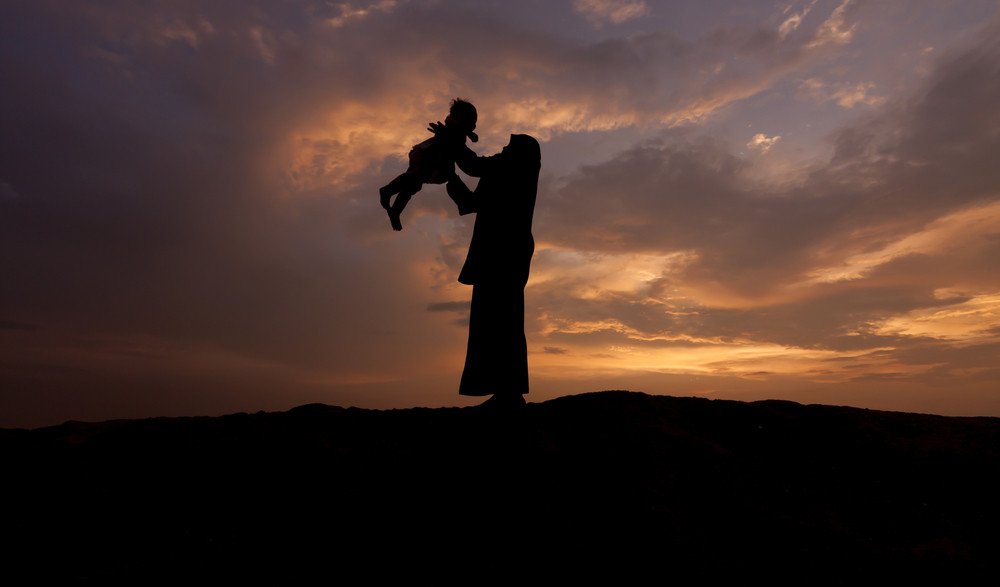
Mother’s Day has become one of the most widely recognised celebrations in homes across the world. Each year, families gather around dining tables, restaurants fill with bookings, and shops overflow with bouquets, greeting cards, chocolates, and carefully wrapped gifts. For many, the day is marked by warm embraces, phone calls to distant relatives, and heartfelt attempts to express gratitude to the women who nurtured and shaped their lives. Yet amid the rituals of celebration and the rush of commercial activity, few stop to reflect on where Mother’s Day actually came from — or on the deeper emotional and cultural significance the occasion was originally intended to carry.
History of Mother's Day
In the United Kingdom, the roots of Mother’s Day stretch back several centuries to the Christian tradition of Mothering Sunday. Observed on the fourth Sunday of Lent, Mothering Sunday emerged during the 16th century as a religious occasion tied to the “mother church” — the main church or cathedral in a family’s home region. During this period, many young people left home at an early age to work as domestic servants or apprentices, often living far from their families for extended periods of time. On Mothering Sunday, they were granted leave to return home, attend church with their families, and spend precious time with their mothers. The journey home became associated not only with spiritual reflection, but also with reunion, affection, and appreciation for maternal care. Over time, the religious observance gradually evolved into a broader cultural celebration of motherhood itself, shedding much of its explicitly ecclesiastical character while retaining its focus on family connection and gratitude.
Across the Atlantic, the modern version of Mother’s Day took shape under very different circumstances. In the United States, the holiday was largely driven by the efforts of Anna Jarvis, a passionate social activist from West Virginia, in the early 20th century. Jarvis was profoundly devoted to her mother, Ann Reeves Jarvis, a woman known for organising community groups that promoted public health and cared for wounded soldiers during the American Civil War. Following her mother’s death in 1905, Anna Jarvis became determined to establish a national day dedicated to honouring the sacrifices mothers made for their children — not through grand public spectacle, but through sincere and personal acts of appreciation.
Her campaign gained momentum rapidly. By 1914, President Woodrow Wilson officially declared Mother’s Day a national holiday in the United States. What began as a deeply personal tribute, however, soon transformed into a commercial phenomenon. Florists, card companies, confectioners, and retailers quickly recognised the enormous economic potential of the celebration, turning it into a booming industry centred around consumption and gift-giving.
Jarvis’s criticism still resonates today. In an age dominated by advertising campaigns and social media tributes, Mother’s Day feels more like a commercial obligation.
The Status of Mothers in Islam
Many verses in the Quran and ahadith repeatedly emphasise the importance of mothers and treating our mothers with respect, care and kindness.
“We have enjoined on man kindness to his parents; in pain did his mother bear him, and in pain did she give him birth.” (Al-Ahqaf, 46:15)
As reported by Abu Huraira, when a man asked the Messenger of Allah (ﷺ) “Who is most deserving of my good company?” The Prophet said, “Your mother.” The man asked, “Then who?” The Prophet said “Your mother.” The man asked again, “Then who?” The Prophet said, “Your mother.” The man asked again, “Then who?” The Prophet said, “Your father.” (Sahih Bukhari and Muslim)
The Prophet Muhammad (ﷺ) also said, “Paradise lies at the feet of mothers.” (Sunan Ibn Majah)
Role Models of Strength and Resilience
Mothers serve as powerful role models for their children. They are not only the primary caregivers but also the first teachers and guides in a child’s life.
Mothers embody qualities such as love, kindness, patience and sacrifice that leave a lasting impact on their children. Through their words, actions and interactions, they teach important life lessons, values and morals.
The influence of mothers also extends beyond the immediate family. Children learn from their mothers’ examples, such as empathy and compassion towards others, patience in challenging situations, or resilience in the face of adversity.
Whether it is balancing work and family responsibilities, pursuing higher education, or engaging in community service, mothers inspire and encourage their children every day to grow and change and make a positive impact in the world.
How Islam Teaches Us to Honor Mothers Every Day
In Islam, mother’s day is not for a day—a lifetime of commitment, with love, kindness, and appreciation. From the Qur’an to the Sunnah, Islamic teaching time and again confirms the unmatched status of mothers and the importance of daily obedience to them.
1. The Qur’an Demands Daily Kindness
Allah ﷻ says: “And We have enjoined upon man [care] for his parents. His mother bore him with hardship upon hardship, and his weaning is in two years. Be thankful to Me and to your parents.” — Surah Luqman (31:14)
We are reminded of all the effort that our mothers put in and how grateful we must be towards them—not just once a year, or a single day, but each day.
2. The Prophet ﷺ Gave Priority to the Mother Over All
In a renowned hadith, a man approached the Prophet ﷺ: “O Messenger of Allah, who among the people is most in need of good companionship from me?”He replied, “Your mother.”The man again said, “Then who?” He replied, “Your mother.”He again said, “Then who?”He replied, “Your mother.”He again said, “Then who?”He replied, “Your father.” — (Bukhari & Muslim)
This repetition emphasizes the point that the rights of a mother are threefold, that of a father’s in love and affection. Many countries, not just one country, celebrate Mother’s Day as one of the national days and celebrate by giving gifts and making last wishes to show gratitude for the blessings of Allah.
3. Kindness Daily is Worship
Islam invites us to simple, daily deeds which bring a smile to one’s mother for her true love, which are:
- Treating her nicely and respectfully
- Praying dua for her on a regular basis
- Spending time with her and listening to her
- Taking care of her when she is old
- Being patient, even when she is irritable or ill
- Financially providing for her when she needs it
- Putting her happiness-even ahead of one’s own convenience
Each one of these acts is not just a show of love but also a form of worship which is greatly rewarded by Allah.
4. Even After Her Death, You Can Continue to Respect Her
The Prophet ﷺ said: “A man asked, ‘O Messenger of Allah, is there anything I can do to respect my parents after they die?’
He replied, ‘Yes — pray for them, ask forgiveness for them, keep their promises, respect their friends, and keep family bonds with relatives through them.'” — (Abu Dawood)
This hadith instructs and shows children that following your mother is still present after she has passed away through dua, sadaqa, and good deeds in her name.