
Hussein Maalim Mohamed – Kenya's first Muslim Cabinet Minister
He was the longest-serving Cabinet Minister and Member of Parliament from North Eastern region
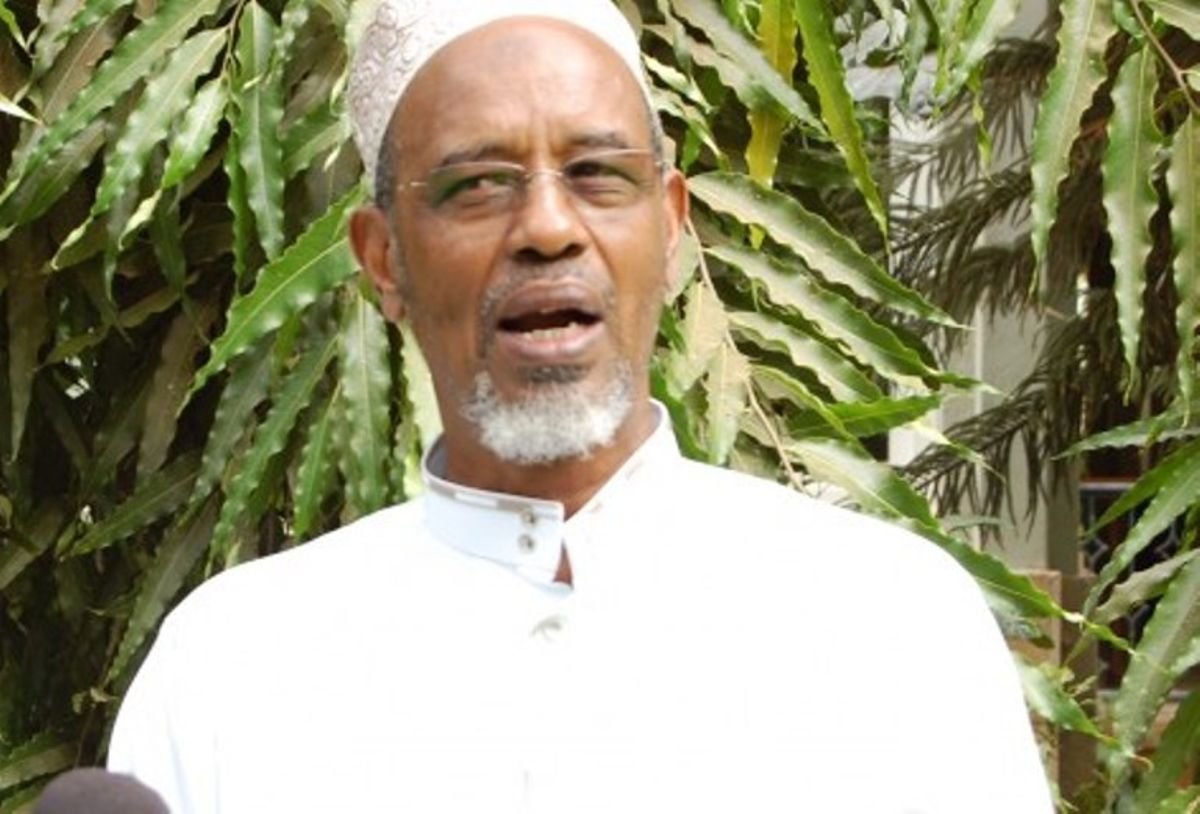
One of very few Kenyans of Somali descent to have risen to positions of influence in President Daniel arap Moi’s administration, Hussein Maalim Mohamed was a politician who tactfully avoided controversy, except when it came to defending the rights of his people. He made history as the longest-serving Cabinet Minister and Member of Parliament from the region formerly known as North Eastern Province (NEP).
He represented Dujis Constituency (formerly Garissa Central and later renamed Garissa Township) for five consecutive terms, serving as a nominated MP during one of those terms.
A man of principle, Hussein avoided controversy for much of his career, reserving his voice for defending the interests of Kenya and the rights of his community.
Hussein was not known beyond the boundaries of NEP until one year into Moi’s presidency. It was 1979, when the newly installed President formed his first government after a General Election in November. He was among the people Moi nominated to Parliament.
Mohamed’s ascent was remarkable, given that he came from neither a politically influential family nor a privileged educational background. He had dropped out after primary school and made a name for himself in business becoming a popular businessman in Garissa Town where he was known for his role in helping Somali students seek higher education abroad. People nicknamed him Hussein Maendeleo (Kiswahili for development) on account of his business, which he operated under the trade name Maendeleo Stores.
Before finishing his term as a nominated MP, the attempt in August 1982 by soldiers from the Kenya Air Force to overthrow the Government would change Hussein’s fortunes and his family. Coincidentally, it was Hussein’s older brother, General Mahmoud Mohamed, then a senior military officer, who was instrumental in saving the situation by suppressing the coup.
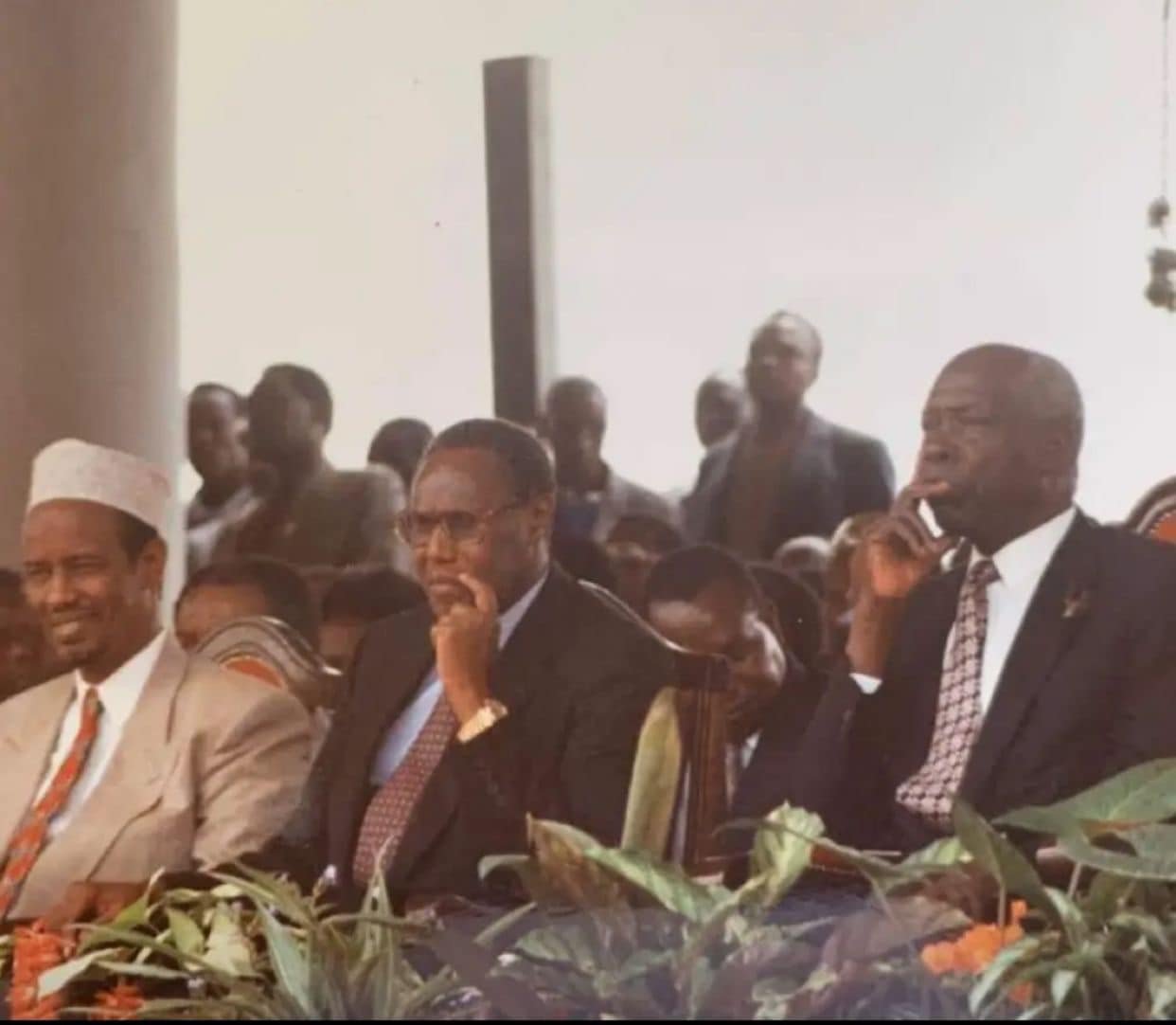
Hussein Maalim (Left) sitting together with former Vice President Geroge Saitoti and President Daniel Arap Moi during a national event
Moi then appointed the older brother, a deputy commander in the Kenya Army, as Commandant of the renamed 82 Air Force. Four years later, he was named Chief of General Staff. The younger Hussein, who was already in Moi’s good books, contested the Garissa Central parliamentary seat in the 1983 snap elections that Moi called to reorganise his government following the attempted coup. He won easily, beating the incumbent, Abdi Arres Mohammed.
Moi went on to appoint him Minister of State in the Office of the President alongside Justus ole Tipis and Peter Nyakiamo. He became not only the first Cabinet Minister from North Eastern Province but also the first one to hail from the Muslim community in Kenya. Likewise, his brother was the first from the Somali community in Kenya to hold such a position; he was the highest ranking general in the military.
As a minister, Hussein emerged as a strong nationalist voice, particularly on issues involving Somalia. During a period of heightened tensions linked to Somalia’s territorial claims over North Eastern Kenya, he firmly defended Kenya’s sovereignty while safeguarding the interests and reputation of Kenyan Somalis as loyal citizens.
He is widely credited with helping complete the Thika–Garissa Highway, which connected Garissa to the rest of the country through a tarmac road and improved trade, mobility, and national integration. He championed education, public services, economic development, and efforts to reduce insecurity, banditry, and cross-border crime, helping bring NEP into Kenya’s political and economic mainstream.
By the early 1990s, Hussein had become one of KANU’s most influential leaders in North Eastern Province. As Assistant National Organising Secretary, he played a key role in rallying regional support for Moi during the 1992 General Election and successfully retained his Dujis parliamentary seat for a third consecutive term.
Although generally reserved, he occasionally criticised
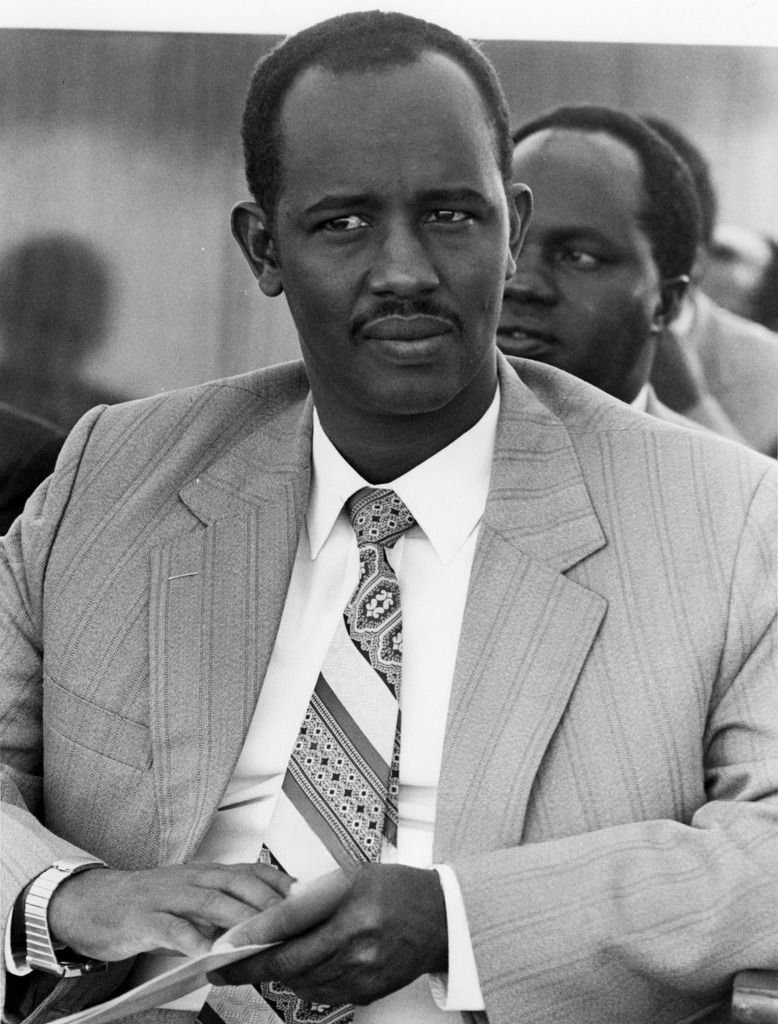
Hussein Maalim Mohamed in his early years in the government
the government. Before the 1992 elections, he accused Moi’s administration of neglecting Muslims and failing to adequately address insecurity in the region. He even suggested the formation of a broad-based Islamic political party, a position supported by several MPs from the area. Although this irked the Government and other KANU leaders, they could not afford to discard the Dujis MP in the face of an increasingly strong opposition.
In 1993, Hussein publicly criticized North Eastern Province Provincial Commissioner Amos Bore over his handling of insecurity matters. Shortly afterward, he was transferred to the Ministry of Culture and Social Services in what many viewed as a demotion.
He went on to retain his parliamentary seat in the 1997 and 2002 elections and served in several ministries, including Research, Technical Training and Technology, Rural Development, Women and Youth Affairs, and Medical Services. In the 2002 elections, he was yet again one of the few MPs who did not struggle to retain their seats.
Hussein found himself in the Opposition after KANU’s presidential candidate, Uhuru Kenyatta, lost to Mwai Kibaki of the National Rainbow Coalition (NARC). In 2007 he opted to resign from active politics and the Dujis seat was won by a relative, Aden Duale, who was later to become Leader of Majority in Parliament.
From businessman to Cabinet Minister, Hussein Maalim Mohamed played a central role in integrating North Eastern Kenya into the national mainstream while defending both Kenya’s sovereignty and the interests of his community. His legacy is one of patriotism, development, principled leadership, and the pursuit of national unity alongside regional empowerment.