
History as thousands gather in Wajir for Madaraka Day celebrations
Before dawn, crowds had filled the 10,000-capacity facility, eager to witness the historic national celebrations
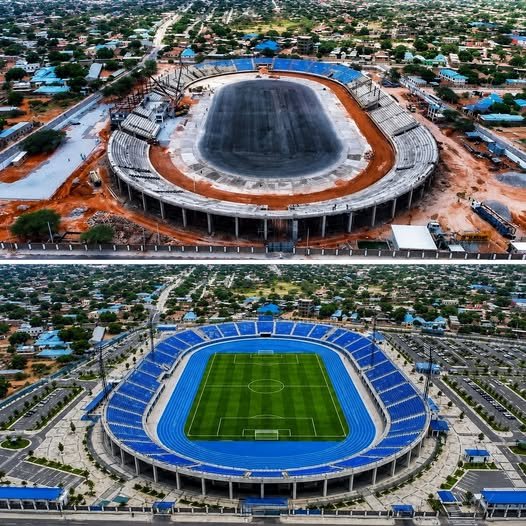
As dawn broke over Wajir, thousands of residents and visitors streamed into the newly constructed Wajir Stadium ahead of the official celebrations marking Kenya’s 63rd Madaraka Day.
Before dawn, crowds had filled the 10,000-capacity facility, eager to witness the historic national celebrations presided over by President William Ruto. Thousands formed orderly queues at security checkpoints as residents and guests converged on the town for the first national celebration of its kind to be held in Northern Kenya since independence.
In the days leading up to the event, Wajir experienced a shortage of accommodation as visitors flocked to one of Kenya’s oldest settlements to join locals in commemorating the national holiday. Hotels, guesthouses, and private residences were fully booked, underscoring the significance of the occasion.
At the heart of the celebrations stood the modern Wajir Stadium—the region’s first major sporting facility since independence. Now one of the town’s most prominent landmarks, the stadium was completed in a record five months following President Ruto’s announcement in February that Wajir would host the 2026 Madaraka Day celebrations.
The state-of-the-art facility features a full-sized football pitch, an eight-lane athletics track, modern changing rooms, VIP lounges, spectator terraces, ample parking space, and a dedicated borehole to ensure reliable water supply. Built to international standards, the stadium is expected to serve as a hub for sports development, nurturing local talent while promoting community cohesion and economic growth.
Hosting the historic celebrations has also triggered unprecedented infrastructure development across the county, with the national government investing more than Sh4 billion in various projects.
In preparation for the event, at least 30 major capital projects were implemented across Wajir County. Among the most notable was the extensive upgrade of the town’s road network, which saw more than 25 kilometres of roads tarmacked. The improvements also included the installation of street lighting, enhancement of water supply systems, and the upgrading of drainage infrastructure to address chronic flooding that has long disrupted business and public life during rainy seasons.
Wajir International Airport also underwent significant upgrades, including improvements to its runway, apron, and passenger facilities, aimed at enhancing efficiency, safety, and the overall travel experience.
According to Interior Principal Secretary Raymond Omollo, the government’s investment reflects the government commitment to national inclusion and equitable development.
“We are doing this as a government to open up the country and advance the conversation on unity, ensuring that everyone feels part of this nation,” said Omollo.
He noted that the event marks a turning point for a region that has historically faced insecurity and underdevelopment. “This event is significant for this region because it is opening up an area that has faced security challenges. We have undertaken several projects to ensure that this region reaches the same level of development as other parts of the country,” he added.
Besides the infrastructure gains, local businesses—particularly those in the hospitality, transport, and service sectors—have enjoyed a significant economic boost. Preparations for the celebrations attracted thousands of delegates, government officials, business leaders, and tourists, injecting new life into the local economy.
“The projects have transformed Wajir town, enhanced mobility, improved public amenities, created employment opportunities, and stimulated local economic activity, leaving behind a lasting development legacy for the people of Wajir County,” said Omollo, who also chairs the National Celebrations Steering Committee.