Hijab Ban in Schools Persists Despite Ministry Directives
Principal Secretary Ambassador Julius Bitok reiterated that schools must respect learners’ religious beliefs as part of nurturing their moral, spiritual, and character development.
Despite clear directives from the Ministry of Education, several schools continue to abet the discriminatory practice of barring Muslim female students from wearing the hijab. This trend has become more pronounced during the ongoing enrollment of Grade 7 learners who recently completed the Kenya Junior School Education Assessment (KJSEA).
In a circular dated August 8, 2025, Principal Secretary Ambassador Julius Bitok reiterated that schools must respect learners’ religious beliefs as part of nurturing their moral, spiritual, and character development. He emphasized that no learner should be compelled to participate in activities that contradict their faith.
“NO school should force learners to participate in religious rites and activities that are contrary to their beliefs,” the circular stated, pointing to an earlier directive issued in March 2022 that underscored the ministry’s zero-tolerance policy toward religious discrimination in educational institutions.
The circular noted with concern that some schools were violating learners’ religious rights by using religion as grounds to deny admission or expel students from schools. These violations include prohibiting the wearing of religious attire such as hijabs and turbans; forcing learners to take specific religious education subjects; denying them the opportunity to observe religious rites and prayers; failing to provide worship spaces; and compelling students to participate in religious activities contrary to their beliefs.
The directive, issued by then Principal Secretary Dr. Julius O. Jwan, emphasized that such actions contravene national legislation as well as regional and international conventions on human rights.
Despite these clear pronouncements, some schools continue to deny Muslim students their constitutional right to wear the hijab, often with impunity. Notably, several national schools have been cited for preventing Muslim learners from freely exercising their right to worship.
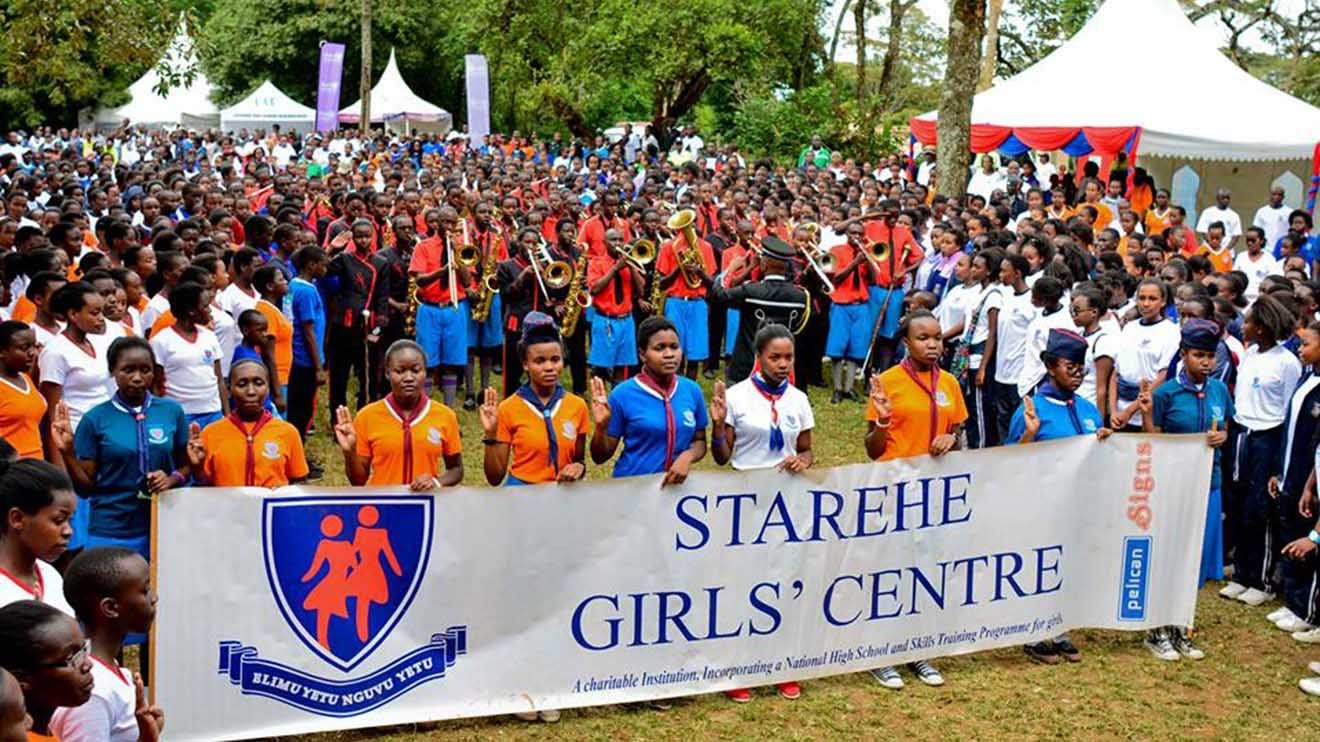
Recently, a parent took to social media to protest the stance taken by Starehe Girls Centre, where his daughter was denied the right to wear the hijab upon admission to Grade 10.
“My daughter, a top performer in the recently released Grade 9 KJSEA examinations, was placed at Starehe Girls Centre on a full scholarship. After careful reflection, she made the difficult decision to decline the offer, as she cannot be compelled to pursue her education in an environment where wearing the hijab is not accommodated,” wrote Ali Awdol on the X platform.
As a result of such exclusionary policies, many high-performing Muslim students have been forced to forgo placements in national schools, opting instead for extra-county or private institutions in order to continue practicing their faith without restriction.
In August 2023, the former Education Cabinet Secretary Ezekiel Machogu promised decisive action against schools denying Muslim students the right to wear the hijab. “Any reports of violation will be thoroughly investigated, and immediate action taken against those found culpable,” he said while responding to a parliamentary question raised by Nominated Senator Mariam Sheikh Omar.
Although the Cabinet Secretary pledged to dispatch a team to investigate complaints at Kenya High School and Alliance Girls and to take appropriate action based on the findings, no feedback was issued. Meanwhile, without concrete rom the ministry, schools boldly continue to deny Muslim students their constitutional right to religious freedom.