Government Gazettes May 27 Eid ul Adha Holiday
Also known as the Festival of Sacrifice, Eid ul Adh'ha is observed on the 10th day of Dhul Hijjah, the final month of the Islamic calendar
The government has declared Wednesday, May 27, 2026, a public holiday to commemorate Eid ul Adh’ha.
The declaration was contained in a special gazette notice issued by the Cabinet Secretary for Interior and National Administration, Kipchumba Murkomen, on Monday, May 25.
“It is notified for the general information of the public that, in exercise of the powers conferred by Section 3(1) of the Public Holidays Act, the Cabinet Secretary for Interior and National Administration declares that Wednesday, the 27th May, 2026, shall be a public holiday to mark Eid ul Adha,” the gazette notice stated.
Under the Public Holidays Act, Eid ul Fitr — which marks the end of the holy month of Ramadhan — is recognized as a national public holiday, while Eid ul Adh’ha is declared a holiday only for Muslims. However, in recent years, the government has frequently issued special gazette notices declaring the occasion a national public holiday to allow Muslims across the country to celebrate the event and participate fully in the festivities.
Join Our WhatsApp Channel for Updates and Announcements
According to the tradition of Prophet Muhammad peace be upon him, Eid prayers are performed in open grounds. However, in the absence of suitable grounds or during unfavorable weather conditions, the prayers may also be conducted in mosques.
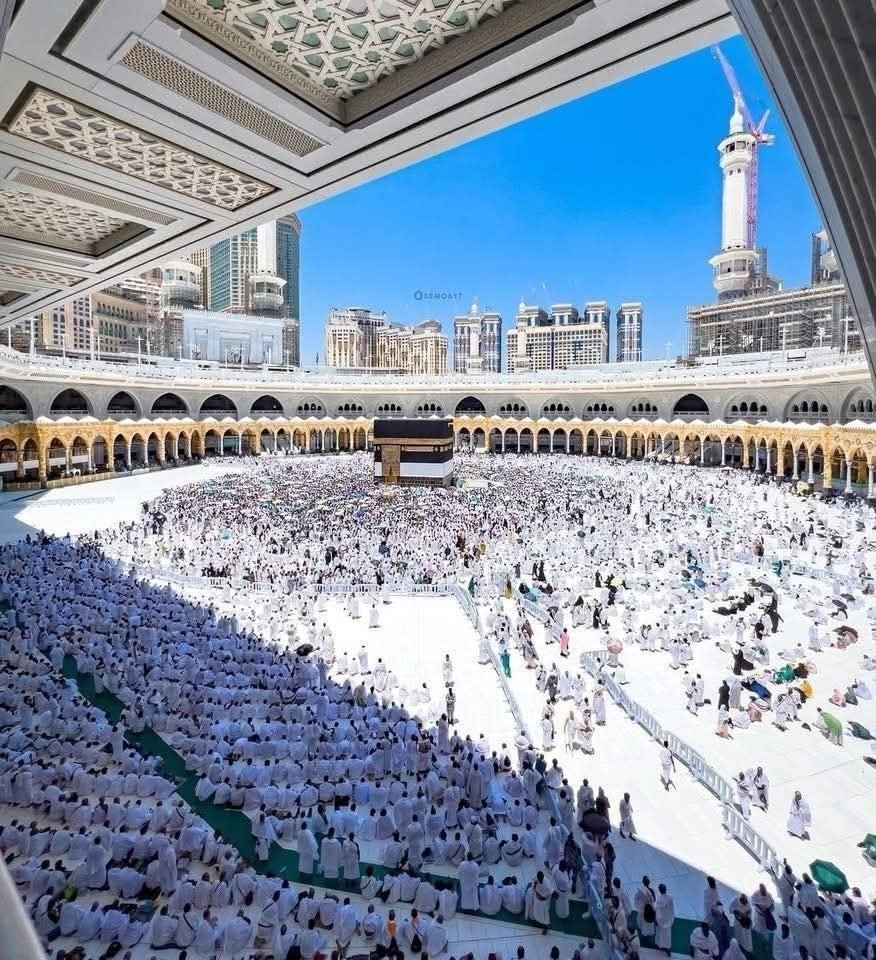
Also known as the Festival of Sacrifice, Eid ul Adha is observed on the 10th day of Dhul Hijjah, the final month of the Islamic calendar. The celebration coincides with the culmination of the annual Hajj pilgrimage to Makkah, one of the five pillars of Islam. The festival falls within the first 10 blessed days of Dhul Hijjah, which are considered to be the best days of the year, a period during which acts of worship and charity are attract immense spiritual reward.
One of the central rituals of Eid ul Adha is the sacrifice of an animal in remembrance of the devotion and obedience of Prophet Ibrahim, on him be Allah’s peace, who was willing to sacrifice his son Ismail in submission to Allah’s command. According to Qura’n, just as Prophet Ibrahim was about to carry out the sacrifice, Allah provided a ram as a substitute.
In honour of Prophet Ibrahim’s unwavering obedience to Allah’s command, Muslims who are financially able are encouraged to slaughter an animal such as a sheep, goat, cow, or camel. The meat is recommend to be divided into three portions: one for the family, one for relatives and friends, and another for the poor and needy.
Generosity and compassion toward the less fortunate are also pillars of the celebration. Families and communities mark the occasion by visiting loved ones, sharing meals, exchanging gifts, and strengthening social bonds through acts of kindness and charity.