Gov’t allocates Sh6 Billion for Drought Response
The government, development partners, humanitarian organizations and the private sector will provide a coordinated response to the food and nutrition situation in the country.
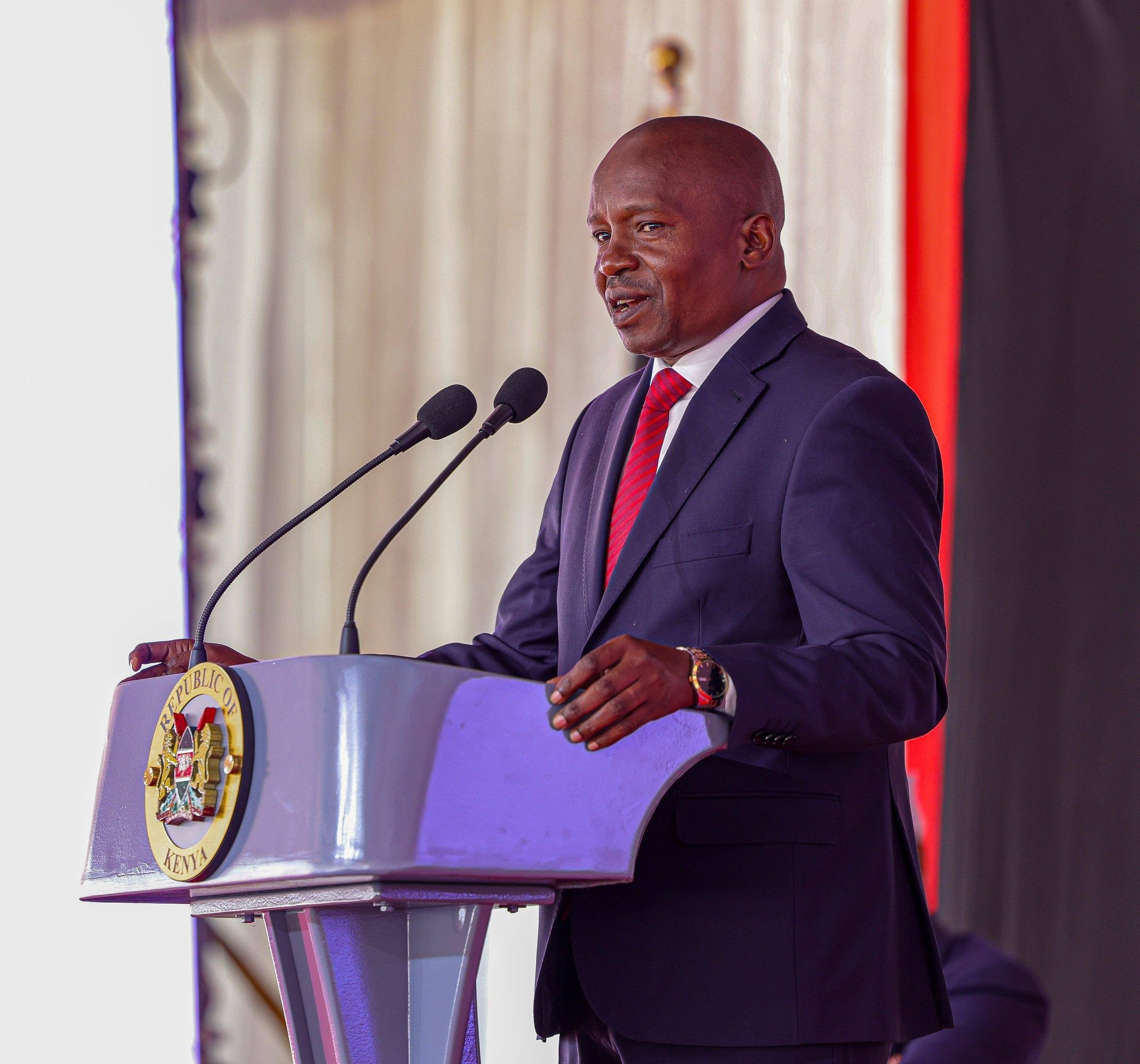
The government has set aside Sh6 billion as part of the mitigation measures to address the ongoing drought in the country.
Announcing the plans, Deputy President Kithure Kindiki said the government, development partners, humanitarian organizations and the private sector will provide a coordinated response to the food and nutrition situation in the country.
Prof. Kindiki spoke on Wednesday, January 14, 2026 when he co-chaired the 14th Development Partners Forum at his official residence in Karen, Nairobi.
“The government has disbursed over 6 billion shillings in the last one month to support drought mitigation interventions, including the distribution of food and non-food items, medical supplies, and water to citizens in the affected areas,” he said.
He revealed that the government, in partnership with humanitarian and development partners, has, between August and December last year, reached out to at least 1.4 million citizens through food, cash transfers, water, medical supplies, and special interventions for children at risk of malnutrition.
While urging development partners to support the government’s efforts, he stressed that measures are being taken to lessen the impact of the drought that has hit over 20 counties, mostly in the Arid and Semi-Arid areas.
“The government is also committing 2 billion shillings every month and is asking for increased assistance from the development partners and other role players to ensure that the drought situation is comprehensively dealt with,” he stated.
The Deputy President also said the government is assembling sufficient amounts of hay, vaccines, and water to avert loss of livestock.
Speaking at the event, the Chairman of the Council of Governors Ahmed Abdullahi called for urgent intervention to avoid a deterioration of the situation.
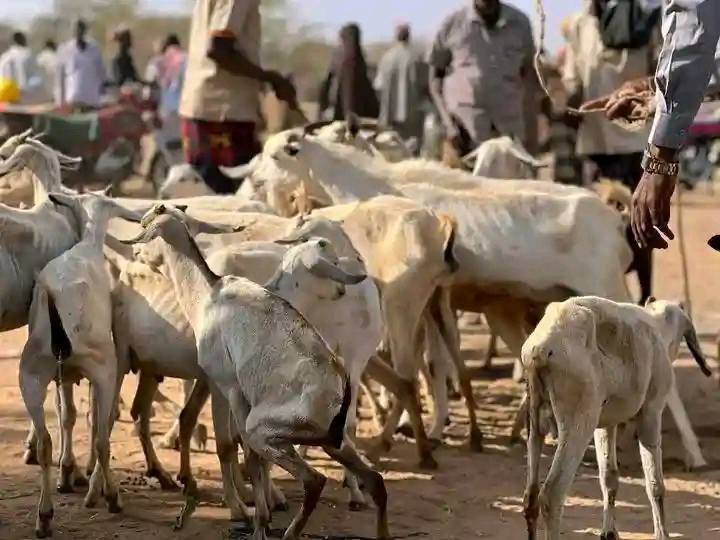
Emaciated livestock at a goat market in Isiolo
“The prolonged dry conditions are accelerating pasture depletion and limiting natural regeneration. Staple food prices have risen. Key concern is increased reliance on food assistance and increased risks of acute malnutrition, especially among children and pregnant and lactating women,” Abdullahi stated.
Present at the Forum were Prime Cabinet Secretary Musalia Mudavadi, Head of Public Service Felix Koskei, Cabinet Secretaries, Principal Secretaries, United Nations Resident Coordinator Stephen Jackson (co-chair), Germany Ambassador Sebastian Groth (co-chair), ambassadors and representatives of various development agencies among others.
The 10 counties identified as facing critical conditions were: Wajir, Mandera, Garissa, Kilifi, Kitui, Marsabit, Kwale, Kajiado, Isiolo, and Tana River.
The drought has been caused by the failure of three consecutive rainfall seasons—the October-December 2024 rains, followed by the failed March-May and the October-December 2025 seasons.
In December last year, MPs from Asal regions urged the government to declare the drought a national disaster saying that the move will unlock emergency funding, streamline humanitarian support and enable international partners to scale up interventions.