
Good Governance Is an Amānah: A Call to Conscience for Kenyan Somali Leaders
Islam is clear. Allah commands justice, accountability, and integrity in leadership. Political office, therefore, is not a license to accumulate wealth or shield allies; it is a duty to serve, protect, and uplift.

By. Hon. Mohamed Hussein Ali ( Qaras)
Leadership is not a reward for loyalty, clan arithmetic, or political endurance. In Islam, leadership is an amānah—a heavy trust that will be questioned before Allah and judged by the people. For Kenyan Somali elected officials, this truth is not theoretical; it is painfully practical.
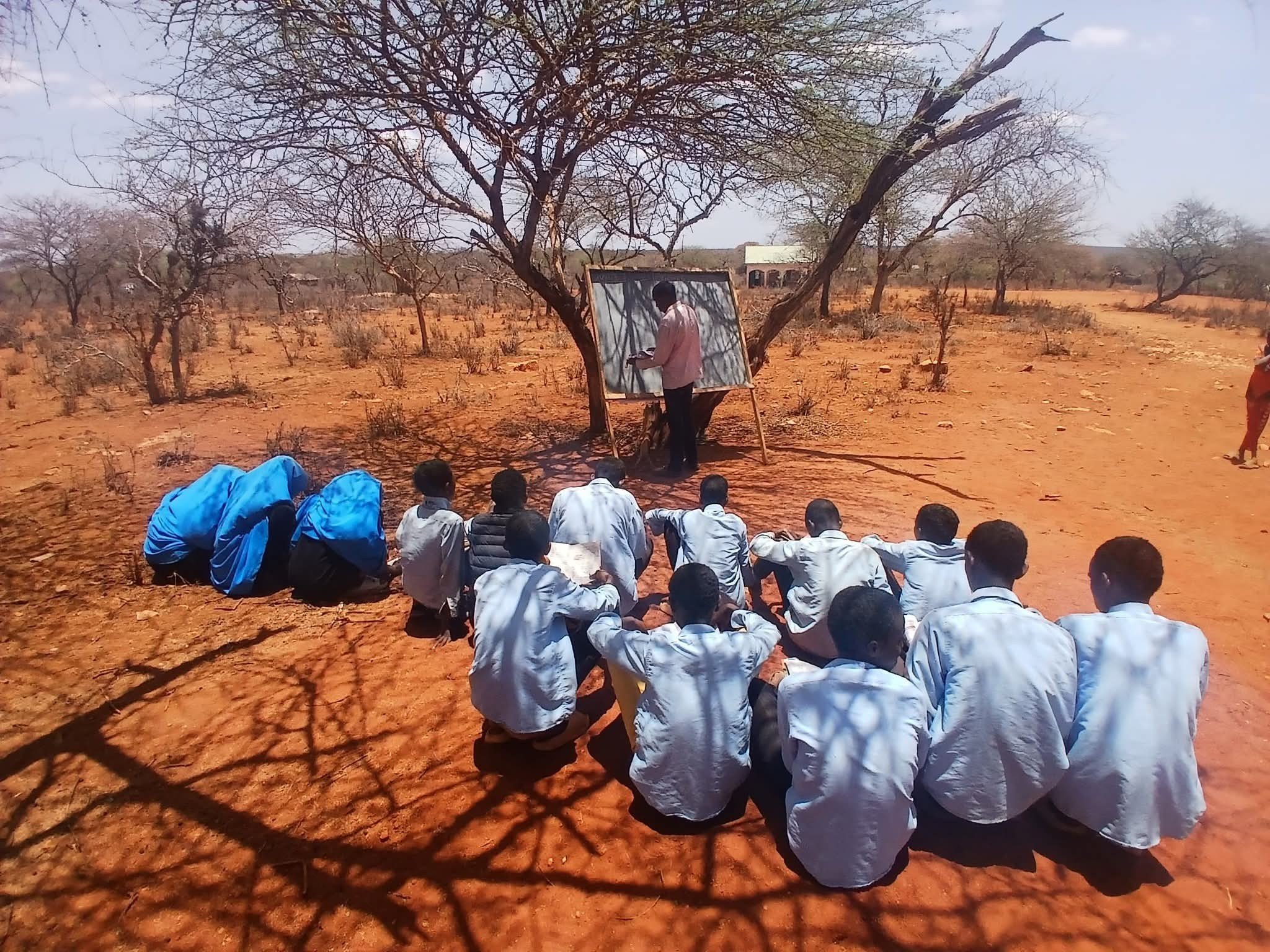
Our counties remain among the most underdeveloped in the country. Poverty persists, youth unemployment is widespread, drugs are destroying lives, and insecurity continues to define how others see us. Yet budgets run into billions, and representation exists at every level of government. The question we must ask—honestly and courageously—is this: Have we governed as trustees or as beneficiaries?
Islam is clear. Allah commands justice, accountability, and integrity in leadership. The Prophet salallahu alayhi wa sallam reminded us that every leader is a shepherd and will be questioned about their flock. Political office, therefore, is not a license to accumulate wealth or shield allies; it is a duty to serve, protect, and uplift.
One of our greatest challenges is the normalization of clan-based governance. Leadership has too often been reduced to “our turn,” and public resources quietly converted into clan entitlements. This mindset is not only unconstitutional—it is un-Islamic. Islam does not recognize injustice committed in the name of kinship. Injustice is still injustice, even when it benefits one’s own people.
Justice (‘adl) demands that development reaches all corners of our counties, not just politically convenient zones. It demands fairness in employment, bursaries, tenders, and aid distribution. It demands that no child be denied opportunity because of their surname, sub-clan, or political alignment. When leaders fail in this, they are not victims of circumstance; they are violators of trust.
Accountability must also stop being treated as betrayal. Questioning leaders is not hostility—it is civic duty and Islamic obligation. Silencing critics, intimidating whistleblowers, or hiding behind ethnic solidarity erodes both democracy and faith. A leader who fears audits, scrutiny, or public questions has already failed the test of amānah.
Equally troubling is the culture of corruption. Islam leaves no ambiguity here. The Prophet peace be upon him warned that even taking a needle unjustly from public resources is theft. What then of inflated contracts, ghost projects, and misused relief funds? Extravagant lifestyles built on public suffering do not bring honor; they remove barakah and invite accountability—if not in this world, then certainly in the next.
Good governance also requires shūrā—genuine consultation. Decisions affecting security, education, drought response, and development cannot be made by a small elite detached from the lived realities of the people. Elders, scholars, professionals, women, and youth must all have a seat at the table. Consultation is not weakness; it is prophetic leadership.
At the national level, Kenyan Somali leaders must be principled advocates—firm against extremism, yet uncompromising against injustice and collective punishment. Silence in the face of discrimination is not neutrality; it is complicity. Defending the dignity of one’s people is not politics—it is moral leadership.
The way forward is neither radical nor unrealistic. It is simple, though demanding:
Treat leadership as worship, not entitlement
Replace clan favoritism with merit and justice
Make accountability a culture, not a threat
Govern with integrity, humility, and service
Invest seriously in youth, education, and livelihoods
Our community does not suffer from lack of representation; it suffers from a deficit of ethical governance. Until we align our politics with our values, our kanzus will remain cleaner than our public offices, and our rhetoric louder than our results.
History will not ask how long we ruled, but how we governed. And Allah will not ask which clan we hail from, but whether we were just.
Leadership is an amānah. The time to honor it is now.
Kindly do not troop to Makkah for Umra during this hard times of drought as Ramadhan is just a month's away but use the resources instead to salvage the situation.
May Allāh forgive our sins and enable us to witness Ramadan with a steadfast heart in fulfillment of our duties.
O Allâh, we ask you to give us beneficial rain as our people and their livestock are suffering.