
Going for Hajj? Saudi Arabia announces strict health conditions
According to the new regulations, only individuals deemed healthy and fit will be allowed to undertake the pilgrimage, while those with serious health conditions will be barred from performing the hajj, the fifth pillar of Islam
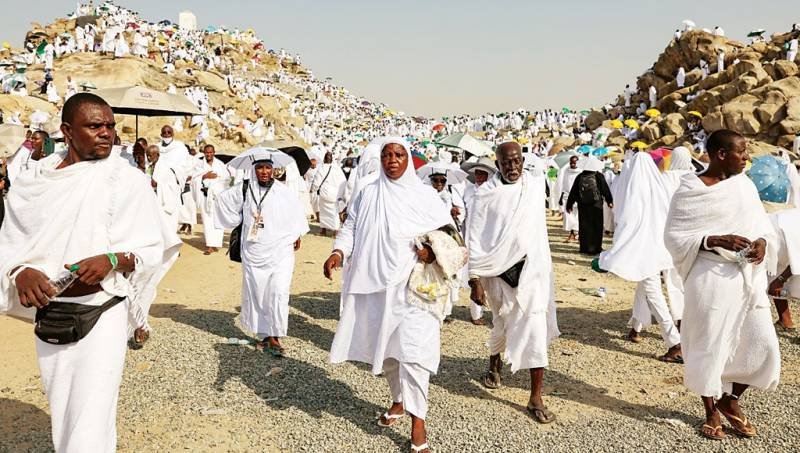
Saudi Arabia has announced stringent health requirements for those planning to perform the Hajj.
The updated guidelines, issued for Hajj 1447 AH (2026), outline the mandatory and recommended medical conditions that intending pilgrims must meet before embarking on the pilgrimage.
In a circular, the Ministry of Hajj and Umrah said comprehensive medical examinations will be conducted on every pilgrim to ensure that they abide by the requirements.
According to the circular issued by the Director General of Pilgrims’ Affairs Offices Abdullah Awadh Al-Shehri, prospective pilgrims will have to undergo medical examinations, which must certify that they are physically fit and free from ailments that could affect their health or that of others during the pilgrimage.
According to the new regulations, only individuals deemed healthy and fit will be allowed to undertake the pilgrimage, while those with serious health conditions will be barred from performing the hajj, the fifth and last pillar of Islam.
Conditions that will prevent a pilgrim from undertaking the rites of hajj include major organ failure such as renal problems that require dialysis, heart problems that could potentially result in cardiac failure, chronic pulmonary disease requiring intermittent or continuous oxygen, and advanced liver cirrhosis that could lead to hepatic failure.
Those with severe neurological or psychiatric disorders that impair cognition will not be eligible to perform the hajj.
Also on the list are elderly people in advanced age with associated dementia, as well as women in the past three months of pregnancy and high-risk pregnancies at any stage.
The health restrictions also extend to patients diagnosed with communicable diseases that pose risks in mass gatherings, such as pulmonary tuberculosis and infections of viral hemorrhagic fevers.
Furthermore, individuals undergoing chemotherapy, biological, or radiological treatments will also not be able to perform the pilgrimage.
On vaccination, the Saudi health authorities reiterated that all intending pilgrims must present valid certificates of vaccination against COVID-19, meningitis, and yellow fever before entering the Kingdom.
For Covid-19, the most recent dose must have been administered between 2021 and 2025 and at least two weeks before travel.
Every pilgrim must be vaccinated against meningitis with the ACWY vaccine not more than five years and not less than ten days before arrival in Saudi Arabia.
All travelers above nine months of age must present a valid yellow fever vaccination certificate upon entry.
As a prerequisite for visa issuance, all pilgrims will be required to upload medical certificates confirming their health conditions on the Nusuk Masar Platform, where they will be issued with a health clearance certificate.
To ensure effectiveness of the guidelines, Saudi authorities will conduct health screenings at all entry points to ensure compliance with the set requirements. Any traveler who fails to meet these health standards may be denied entry, isolated, or subjected to further medical evaluation.
“Should any pilgrim be found with one of the listed conditions or prohibitive health issues, the Ministry of Hajj and Umrah will implement corrective and disciplinary measures against the concerned pilgrims,” the circular warned.
In light of the developments, the Supreme Council of Kenya Muslims (SUPKEM) has urged all intending pilgrims to take note of the requirements and ensure they complete the necessary health checks well ahead of the 2026 Hajj season.
The chairman, Hassan Ole Naado urged prospective pilgrims to ensure that their health status abides by the set conditions, noting that those who violate the requirements may be prevented from performing the hajj.
“The conditions are strict, and every intending hujaj has to ensure that there are good health conditions for them to be able to perform the hajj,” he said.