
For the First Time, Al-Aqsa Mosque Stands Empty as Ramadhan comes to a close
Israeli forces turned the area around the mosque into a heavily militarized zone and sealed off access to the site during the most sacred nights in Islam
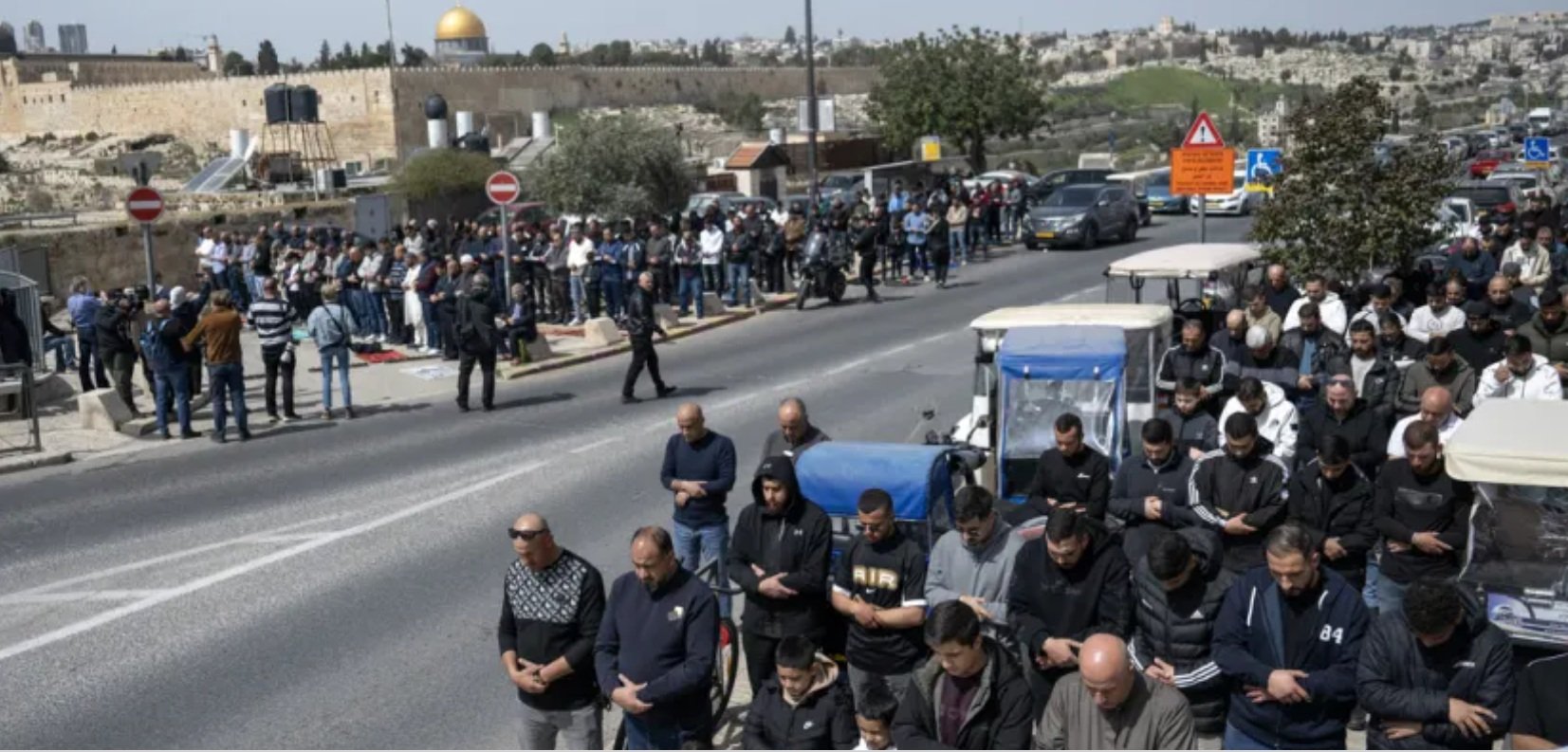
As the month of Ramadhan comes to a close, for the first time in modern history, the courtyards of Al-Aqsa Mosque stand empty in the last ten days of Ramadhan, as Israeli forces kept the compound closed for the 19th consecutive day, forcing Muslim worshippers to pray in surrounding streets under tight restrictions.
Israeli forces turned the area around the mosque into a heavily militarized zone and sealed off access to the site during the most sacred nights in Islam.
The Palestinian Jerusalem Governorate said Israeli forces transformed the Old City of Jerusalem into military barracks. Hundreds of soldiers deployed throughout the Old City and around the mosque compound, tightening restrictions during the holy night.
Despite the closure, hundreds of Palestinian residents performed the Isha and Taraweeh prayers in nearby streets after Israeli forces blocked access to the compound. Worshippers gathered in areas such as Bab al-Sahira Gate and Damascus Gate while the mosque itself remained empty.
The governorate said Israeli troops imposed a strict security cordon around the area and continued the siege on Al-Aqsa, preventing Muslims from reaching the site.
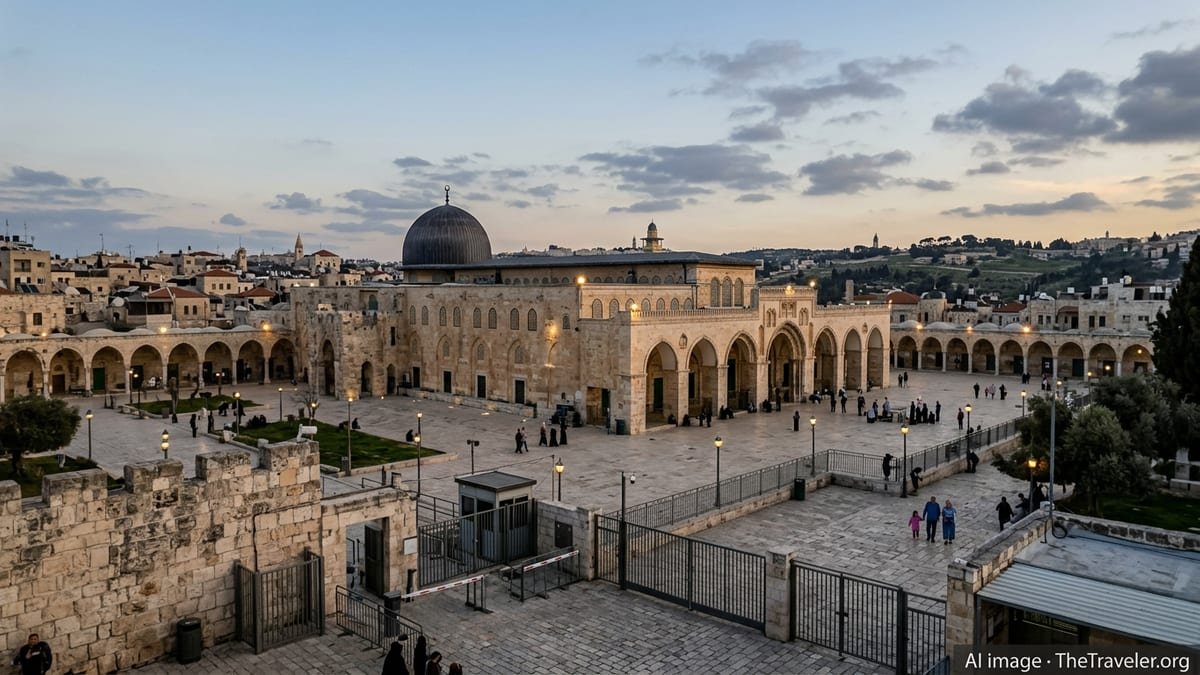
Israeli authorities closed the mosque after the outbreak of the US-Israeli war against Iran on February 28, under the pretext of a state of emergency and restrictions on gatherings.
It is the longest closure of the mosque since 1967, when Israel occupied East Jerusalem.
According to the Jerusalem Governorate, dozens of Palestinians gathered near Bab al-Sahira, north of the Old City, where they performed evening and Taraweeh prayers under heavy Israeli military deployment.
The Wadi Hilweh Information Center said Israeli forces installed checkpoints around the Old City and stopped visitors attempting to enter. Soldiers allowed entry only to residents of the Old City, effectively blocking many Jerusalemites from reaching the area.
The center also reported a severe economic downturn in the Old City markets. Shops that usually rely on the Ramadhan season remained closed, and streets appeared largely empty due to Israeli restrictions.
Meanwhile, the Arab League condemned Israel’s continued closure of Al-Aqsa in the strongest terms. The organization said preventing prayers and religious rituals at the mosque during Ramadhan, especially during the final ten nights, constitutes a serious violation of international law and international humanitarian law.
The Arab League said the measures also violate the historical and legal status of Al-Aqsa and described the restrictions as an unprecedented provocation to the feelings of nearly two billion Muslims worldwide and a direct assault on freedom of worship.
The organization stressed that Israel, as an occupying power, holds no sovereignty over the Palestinian territories occupied in 1967, including the eastern part of Jerusalem and its Islamic and Christian holy sites.
It also called on the international community, including the United Nations Security Council, to take firm action to compel Israel to halt its violations, lift restrictions on Palestinian access to Jerusalem, and respect freedom of worship at holy sites.