
Faith and learning among Kikuyu reverts in Mukurwei-ini
The madrasa reflects a compelling narrative of coexistence. The surrounding Kikuyu community, most of whom are not Muslim, has maintained cordial and respectful relations with the institution and its students.
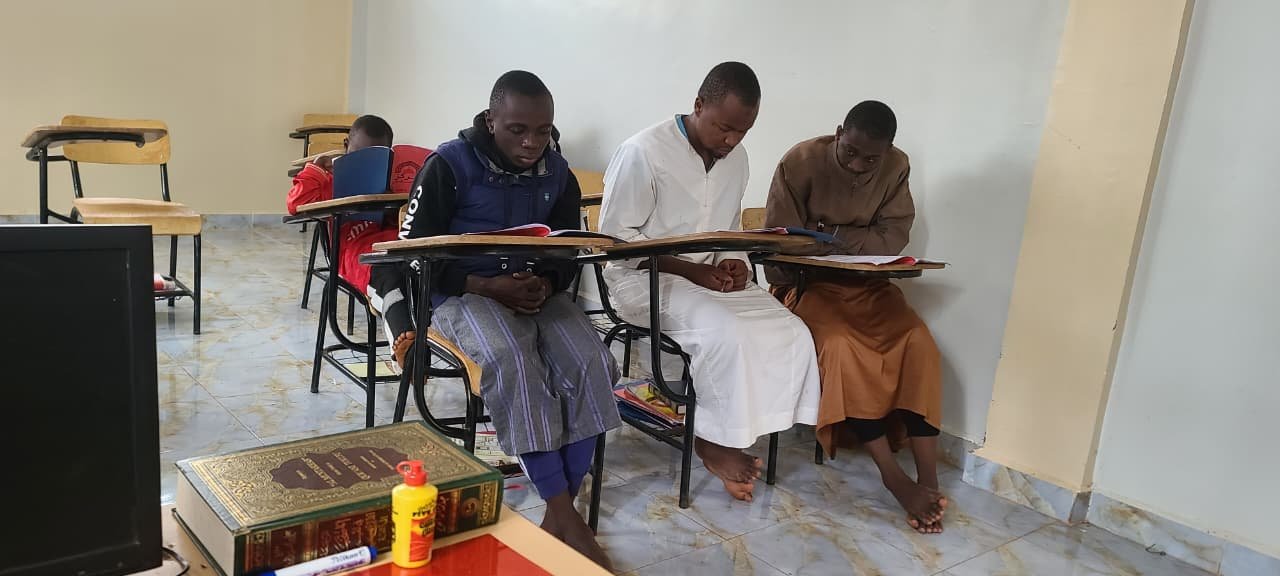
Faith and learning among Kikuyu reverts in Mukurwei-ini
Deep in the rolling hills and expansive farmlands of Mukurwei-ini, far removed from the urban centre of Nyeri, stands Masjid Al Kareem, an isolated hub of Islamic learning serving a distinct and often overlooked group, reverts from the Kikuyu community who have embraced Islam and are now seeking structured religious education.
Set in a predominantly non-Muslim environment, largely inhabited by the Kikuyu community, the madrasa operates without the typical support systems found in more established Muslim regions. For these Kikuyu reverts, many of whom had no prior exposure to Islamic teachings, the institution is not just a school, but a critical entry point into understanding their new faith.
At the centre of this effort is Ustadh Abu Jibreel Salim, who oversees a rigorous two-year programme, usually running from one Ramadhan to the next. The curriculum is designed to ground the reverts in both memorization and understanding of the Qura’n. Students are required to memorize at least two juzus (chapters) of the Qur’an, including Juz Amma, which they must also interpret through tafsir. They further study the 40 Hadith of Imam Nawawi, equipping themselves with foundational knowledge of Islamic principles.
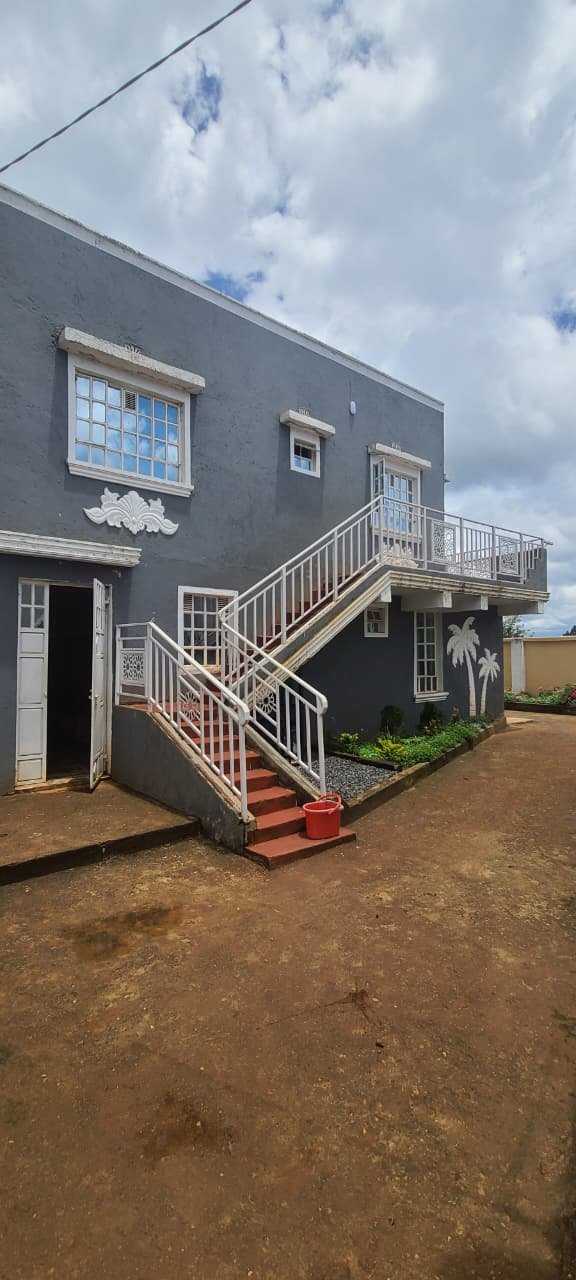
the reverts centre within the compound of Mukurwei-ini mosque
The students, predominantly adult men from the Kikuyu community who have reverted to Islam, often arrive with strong determination but limited resources. Many step away from work and family responsibilities to pursue religious knowledge full-time, a decision that comes with economic and social strain.
Daily sustenance is one of the biggest hurdles. Meals cost Sh60 each, amounting to about Sh200 per day and nearly Sh6,000 per month. For the reverts who are still stabilizing their livelihoods after embracing Islam, this cost can be prohibitive, leading to occasional dropouts before completion of the programme.
Despite its capacity to host more learners, the madrasa has, over the past three years, graduated groups of around 20 students at a time who have successfully completed the programme. According to Ustadh Abu Jibreel Salim, the limitation is not infrastructure but support.
The madrasa runs with only two individuals, the Ustadh and a caretaker. This forces the students to take on all domestic responsibilities themselves. They cook, clean, and maintain the compound, balancing these duties with an already demanding academic schedule. While this fosters discipline, it also stretches the students thin.
“If we had the means to employ more staff, it would ease the burden on the students,” the Ustadh explains, pointing to the need for external support to improve the learning environment for Kikuyu reverts committed to their studies.
Yet, even in isolation, the madrasa reflects a compelling narrative of coexistence. The surrounding Kikuyu community, most of whom are not Muslim, has maintained cordial and respectful relations with the institution and its students. Adjacent to the mosque is a PCEA church, symbolizing a rare but significant interfaith harmony.
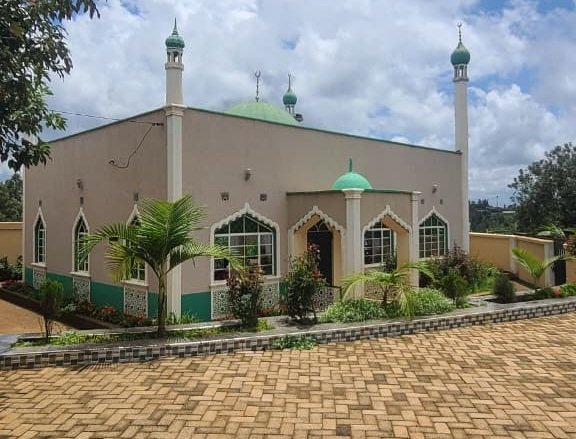
Masjid al Kareem Mukurwei-ini
The reverts at the madrasa speak of a welcoming environment, noting that their non-Muslim neighbours have been accommodating despite religious differences. This atmosphere has allowed the institution to operate peacefully, even as it remains geographically and socially isolated.
Still, the need for sustained support is evident. The madrasa relies on small fundraisers and contributions, which are often insufficient to meet the growing needs of Kikuyu reverts seeking admission.
In the heart of Mukurwei-ini, Masjid Al Kareem stands as a quiet but powerful centre of transformation, where Kikuyu reverts to Islam, against the odds, pursue knowledge with determination. Its uniqueness lies not just in its location, but in its mission, to nurture faith among those who have newly found it, in a place where they remain a minority.
For this mission to grow, and for more Kikuyu reverts to benefit, the call for support remains urgent.