
Dying Thirst: Millions in North Eastern face starvation as drought deepens
These areas are grappling with a severe, multi-season drought that has pushed more than 2.1 million people to the brink of starvation.
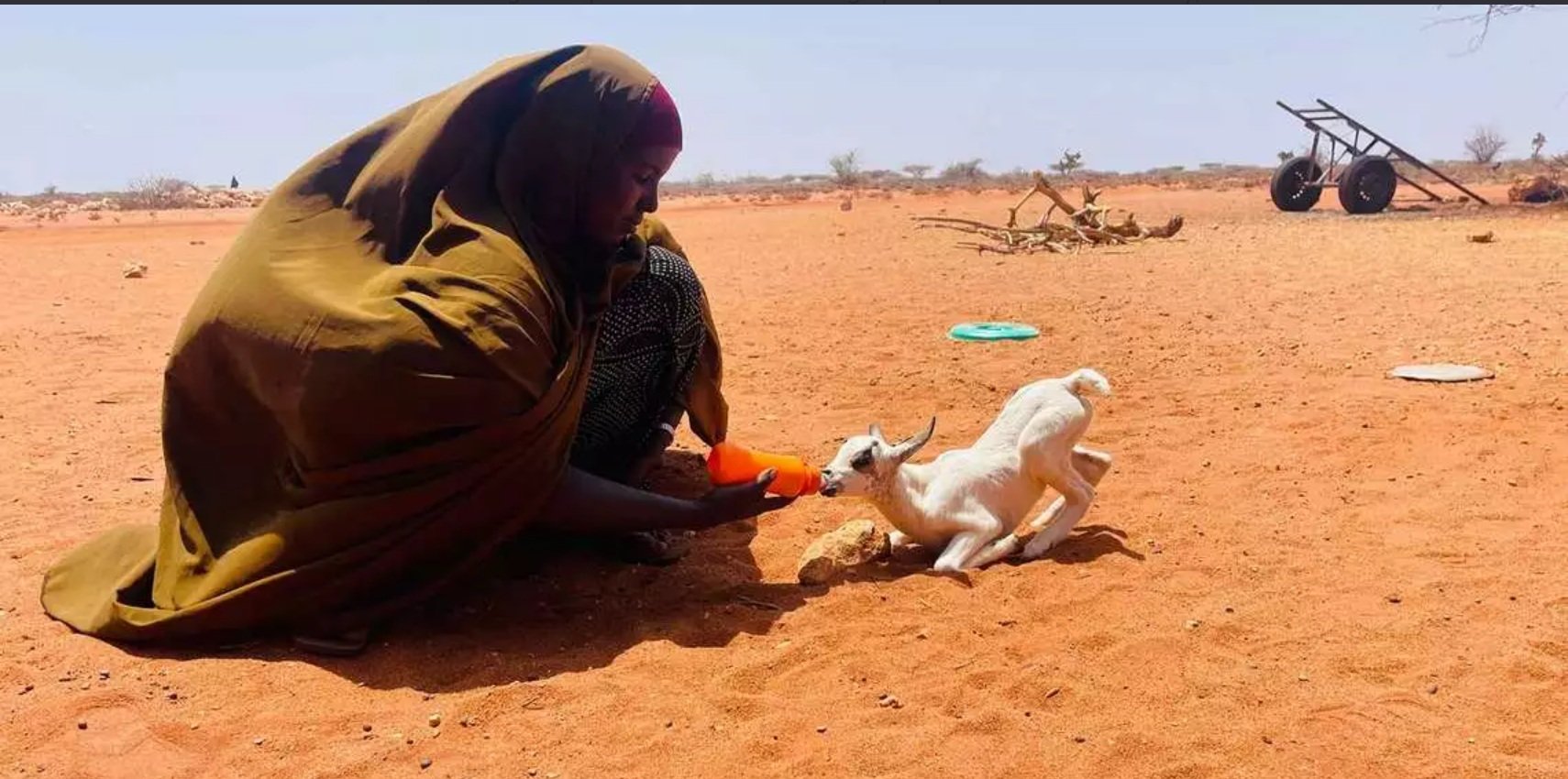
Bleached ribs of dead livestock stretch toward the blazing sun, their sunburnt carcasses watched helplessly by desperate pastoralists. They wonder where they will find water for their surviving, weakened animals—and for their own families—who are struggling to quench their thirst amid soaring temperatures.
This grim reality defines life across much of Kenya’s North Eastern region—particularly Mandera, Wajir, and Garissa counties—as well as other Arid and Semi-Arid Lands (ASAL). These areas are grappling with a severe, multi-season drought that has pushed more than 2.1 million people to the brink of starvation.
Across the affected counties, communities continue to face the harsh consequences of a worsening drought. Rising hunger, loss of income, and deepening vulnerability now shape daily life in rural areas. The crisis has been driven by consecutive failed rainy seasons, resulting in a humanitarian catastrophe marked by massive livestock deaths, collapsed livelihoods, and widespread malnutrition.
According to reports, an estimated 741,883 children under the age of five and 109,462 pregnant and lactating women are acutely malnourished and in urgent need of treatment.
Although drought is not new to the region, the scale and duration of the current episode are unprecedented. The National Drought Management Authority (NDMA) has warned that the situation is deteriorating rapidly.
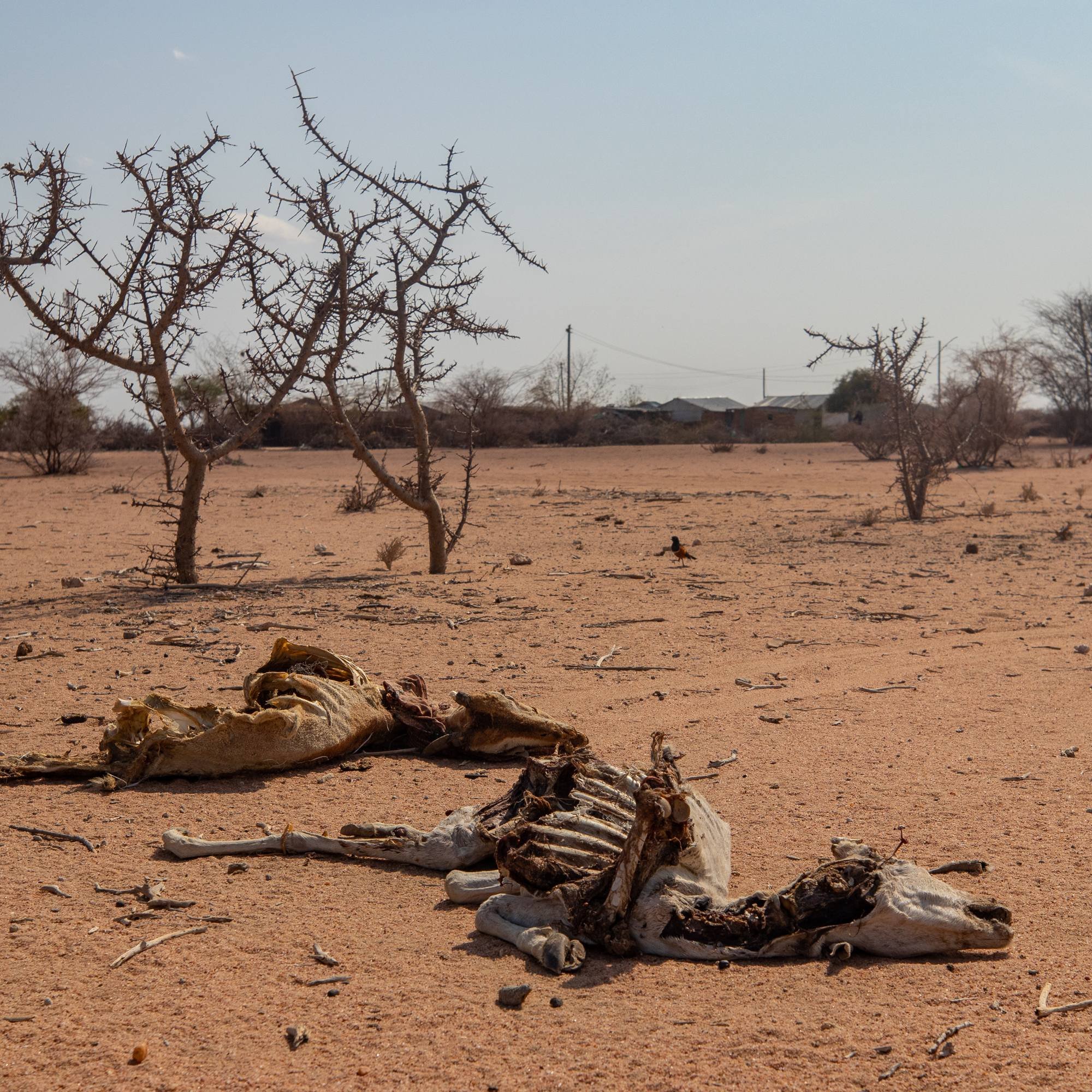
Livestock, the primary source of income for many households, has been severely affected as pastures and water reserves dry up. The scarcity of natural water sources has also made access to water for household use increasingly difficult. Long, exhausting journeys in search of water have become routine, with women often walking 10–15 kilometres daily. Children are also being forced out of school to help their families search for food and water. Approximately 70 per cent of water pans across the country have dried up, while water levels in wells have dropped significantly.
Compounding the crisis, soaring food prices have placed even basic necessities beyond the reach of many households as purchasing power declines and food supplies dwindle. Many families are uncertain where their next meal will come from, and the situation is expected to worsen in the coming months as food stocks continue to shrink.
More than 1.5 million cattle have already died across the ASAL regions. The loss of camels, sheep, and goats—animals typically known for their resilience—underscores the severity of the drought. Weak surviving livestock are often sold at “throwaway prices” or left to die, wiping out the main source of income for pastoralist communities.
NDMA reports that 23 counties are currently experiencing drought stress. Nine counties—Wajir, Garissa, Kilifi, Marsabit, Kitui, Kwale, Kajiado, Isiolo, and Tana River—are classified in the “Alert” phase, while Mandera remains in the critical “Alarm” phase.
“The prevailing conditions are undermining livestock productivity and food production, while increasing both livestock and human migration and heightening the risk of resource-based conflict,” NDMA stated.
In response, the government, through NDMA, has disbursed KSh 870.38 million to 132,780 vulnerable households under the Hunger Safety Net Programme (HSNP) across eight arid counties. The cash transfers target households in Mandera, Marsabit, Wajir, Turkana, Samburu, Isiolo, Garissa, and Tana River—counties that continue to experience deteriorating food security due to consecutive seasons of below-average rainfall.
“By strengthening household purchasing power, the cash transfers are expected to mitigate negative coping strategies, stabilise food consumption, and protect basic livelihoods during the current drought period,” NDMA said in a statement.
Last month, Members of Parliament from ASAL counties urged the government to declare the drought a national disaster, arguing that such a move would unlock emergency funding, streamline humanitarian responses, and enable international partners to scale up interventions.
Meanwhile, the government, through Deputy President Kithure Kindiki, announced that measures had been put in place to mitigate the impact of the drought.
“The government is committing Sh4 billion every month and is seeking increased support from development partners and other stakeholders to ensure that the drought situation is comprehensively addressed,” he said.
Even as leaders and humanitarian organisations call for increased support and urgent interventions to provide safe water, sustain food relief, and prevent further deterioration of living conditions, there perhaps an urgent need for community mobilisation to raise funds in support of humanitarian efforts in the ASAL regions—similar to the solidarity shown for Gaza, Sudan, and other initiatives before the situation worsens.