
Cutting nails during the first ten days of Dhul-Hijjah-A clarification
This ruling specifically applies to the individual intending to offer the Udhiyah.
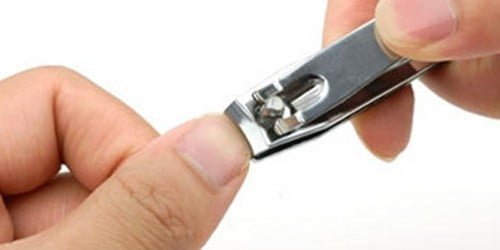
If a person intends to offer a sacrifice (Udhiyah), they should refrain from cutting their hair, trimming their nails, or removing any skin once the month of Dhul-Hijjah begins until they have performed the sacrifice.
This is based on what is established in Sahih Muslim, on the authority of Umm Salama (may Allah be pleased with her), from the Prophet (peace be upon him), who said: ‘When Dhul-Hijjah enters and one of you intends to offer a sacrifice, let him not take anything from his hair, his nails, or his skin.’
In another narration in Sunan Abu Dawood, Umm Salamah narrated: “The Prophet as saying: If anyone has sacrificial animal and intends to sacrifice it, and he sights the new moon of Dhul-Hajjah, he must not take any of his hair and nails until he sacrifices.”
This ruling specifically applies to the individual intending to offer the Udhiyah. Once Dhul-Hijjah begins, that person should avoid cutting their hair, trimming their nails, or removing skin until the sacrifice has been completed.
However, this restriction does not apply to everyone. A person who is not offering a sacrifice is free to cut their hair and nails during these ten days or at any other time. Some Muslims mistakenly avoid doing so despite not intending to offer Udhiyah, due to a misunderstanding of the ruling. The prohibition is connected to the intention and act of sacrifice itself and is not a general ruling for all Muslims.
Scholars have explained that the person offering a sacrifice enters a state that somewhat resembles the condition of a pilgrim in Ihram. Just as pilgrims performing Hajj refrain from certain actions as an act of worship and devotion to Allah, the person offering Udhiyah also observes this restraint as a form of spiritual solidarity with the pilgrims in Makkah. It reflects mindfulness, sacrifice, and obedience to Allah, even while remaining at home.
The beginning of this restriction at the onset of Dhul-Hijjah is clearly established in the hadith. However, scholars have differed regarding the level of prohibition — whether it is strictly forbidden (haram) or merely disliked (makruh).
The four major schools of Islamic jurisprudence hold varying opinions on the matter:
- The Hanbali school, based on the apparent meaning of the hadith, considers it prohibited (haram) for the person intending to offer a sacrifice.
- The Shafi’i school regards it as disliked (makruh), though not forbidden.
- The Maliki school generally recommends avoiding it without declaring it strictly prohibited.
- According to Imam Abu Hanifah, it is not considered makruh to cut the nails or remove hair during this period, as mentioned in Sharh al-Nawawi ‘ala Muslim.
The first ten days of Dhul-Hijjah are among the most beloved days to Allah. Islam’s teachings regarding these days are rooted in wisdom, balance, and mercy. For the one offering a sacrifice, refraining from cutting hair and nails becomes a meaningful act of devotion and spiritual discipline. For the one not offering a sacrifice, there is no burden or restriction.
Islam does not impose obligations beyond what Allah has legislated. One of the greatest benefits of sound scholarship is that it protects people from both unnecessary hardship and careless leniency.
May these blessed days be filled with worship, clarity, sincerity, and closeness to Allah for Muslims everywhere.
Allāhumma bārik lanā fī ‘ashri Dhil-Ḥijjah, waj‘alnā mimman yubādir ilā al-‘amal al-ṣāliḥ fīhā.
“O Allah, bless us in the first ten days of Dhul-Hijjah and make us among those who hasten toward righteous deeds during them.”