
Come and talk to us. Kadhi Courts invite public for dialogue
The annual event offers the public an opportunity to engage with Kadhis and legal professionals gaining insight into the workings of the court system
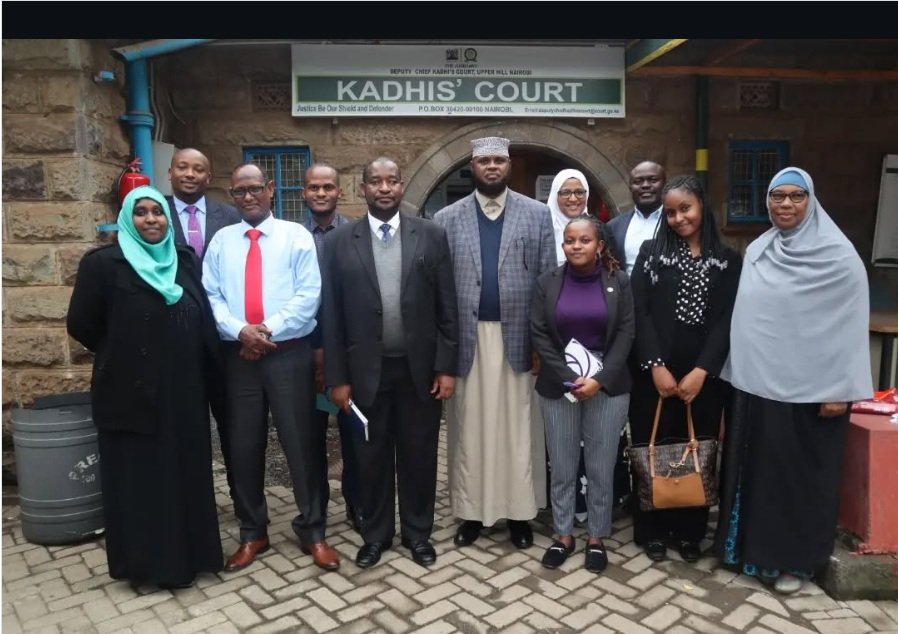
The Kadhi Courts is inviting the public for an open engagement conversation programme meant to foster a better understanding of the court system.
The programme will be held during the Judiciary Dialogue Day on Friday, January 30, and seeks to create avenues for meaningful judicial conversations while receiving feedback from court users and stakeholders to strengthen the delivery of justice.
Organised by the Judiciary, the annual event provides an opportunity for the public to interact with legal professionals gaining insight into how the court system operates. Dialogue sessions with Kadhis will take place at all Kadhi Court stations across the country, with the main event scheduled to be held at the Kadhi Courts in Nairobi’s Upper Hill area.
The Judiciary Dialogue Day features discussions on the unique challenges facing the courts and aims to generate actionable commitments and resolutions that reinforce public trust in the justice system.
“We encourage everyone to attend and take advantage of this valuable opportunity to better understand court processes and contribute to the success of the Judiciary,” said Acting Chief Kadhi Sheikh Sukyan Hassan Omar.
“The Kadhi Courts are ready to listen to Kenyans and respond to any questions regarding the processes and functions of the courts,” he added.
The Kadhi Courts are an integral part of Kenya’s judicial system, with their mandate anchored in the Constitution and the Kadhi Courts Act. They are vested with the authority to hear and determine cases relating to Islamic family law, including matters of marriage and divorce—such as disputes over the existence of a marriage contract—as well as inheritance issues.
These include determining rightful heirs, the distribution of a deceased person’s property in accordance with Islamic law, and the appointment of administrators of estates. The courts also handle child custody disputes where parents cannot agree on living arrangements following a divorce, as well as matters relating to maintenance of former spouses and children.