
CIPK petitions over hijab, prayer restrictions in schools
Uasin Gishu CIPK Chairman called on education authorities to urgently intervene and bring to an end what he termed as discriminatory practices against Muslim learners.
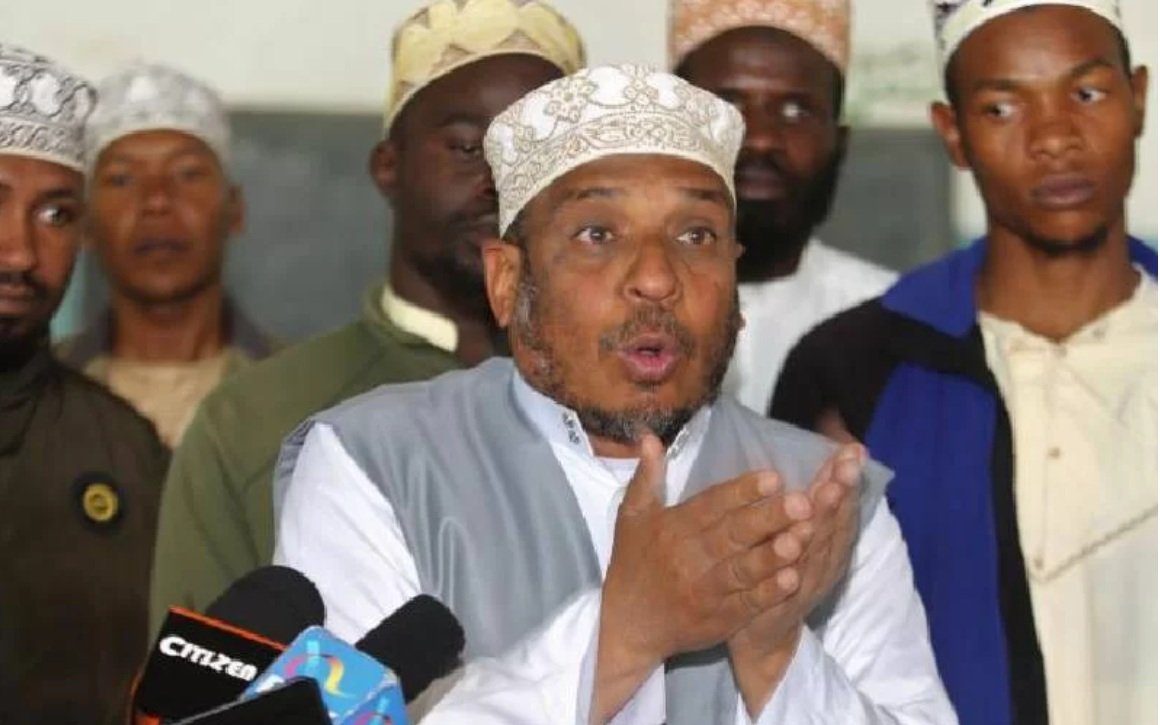
The Council of Imams and Preachers of Kenya (CIPK), Uasin Gishu branch, has strongly condemned what it describes as persistent violations of the religious rights of Muslim students in several schools across the county. The organization says the actions amount to a direct affront to the constitutional guarantee of freedom of worship and promote religious intolerance.
In a letter addressed to the County Education Board, Uasin Gishu CIPK Chairman Sheikh Rashid K. Songok called on education authorities to urgently intervene and bring to an end what he termed as discriminatory practices against Muslim learners.
“This is to inform you that a good number of schools in Uasin Gishu are infringing on the rights of Muslim students by prohibiting the wearing of the headscarf (hijab), denying them space for prayers, failing to facilitate fasting during Ramadhan, and compelling them to attend religious rites of other faiths,” Sheikh Songok stated in a letter dated February 17, 2026.
He cited several institutions — including Loreto Girls Matunda, Turbo Girls High School, and Kapsabet Girls High School — as among public schools violating students’ constitutional rights.
Sheikh Songok argued that public schools, regardless of their sponsors, operate under national laws and public funding and they have no justifiable reasons to deny students their rights.
“Even where sponsors are churches, the government pays teachers through the Teachers Service Commission (TSC), funds infrastructure development, and parents support school projects through Boards of Management (BOM). Sponsorship cannot override constitutional rights,” he said.
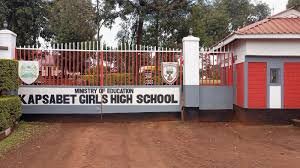
Kapsabet Girls High School, among public institutions denying Muslim students their rights to wear hijab
According to the CIPK chairman, the practices are denying Muslim students both their freedom of religion and their right to access quality education. He added that some parents feel compelled to compromise their faith or seek alternative schools despite their children having been selected to join the affected institutions.
Echoing these concerns, CIPK North Rift Chairman Sheikh Abubakar Bini said the issue is particularly prevalent in church-sponsored schools. He noted that efforts to engage school administrators in dialogue have yielded little success.
“They claim this is a policy by school sponsors, but which takes precedence — the laws of the country or internal school policy?” Sheikh Abubakar posed.
He emphasized the urgency of resolving the matter, especially with the holy month of Ramadhan approaching. “If this issue is not addressed, our children will continue to suffer. We cannot stand by as schools violate their rights,” he said while urging Muslim leadership to seek intervention from the Ministry of Education.
The complaints come despite an earlier directive issued by the Ministry of Education to all County Directors of Education warning against violations of learners’ religious rights. In a circular dated March 4, 2022, Education Principal Secretary Dr. Julius O. Jwan cautioned schools against using religion as grounds to deny admission, expel learners, or restrict their participation in school activities.
“This violation normally takes the form of; Prohibition from wearing religious attire like hijab and turbans, Forcing students to take Islamic Religious Education (IRE), Christian Religious Education (CRE), Hindu Religious Education (HRE) subjects; Denying learners an opportunity to observe religious rites and prayers; Failure to allocate worship rooms or spaces; and, Forcing learners to participate in religious rites and activities that are contrary to their beliefs,” said the circular by the Education Principal Secretary Dr. Julius O. Jwan dated March 4, 2022.
The PS emphasized that such actions contravene national legislation, as well as regional and international conventions recognizing Kenya’s ethnic, cultural, and religious diversity. The Constitution, he noted, clearly underscores the need to respect and protect these diversities.
CIPK is calling on education authorities to enforce existing regulations and ensure that all learners, regardless of their religious affiliation, are treated with fairness, dignity, and respect in schools across Uasin Gishu County.