
Chief Kadhi calls for leaders to uphold ethical governance
He noted that principled leadership can significantly improve the lives of citizens through meaningful development initiatives.
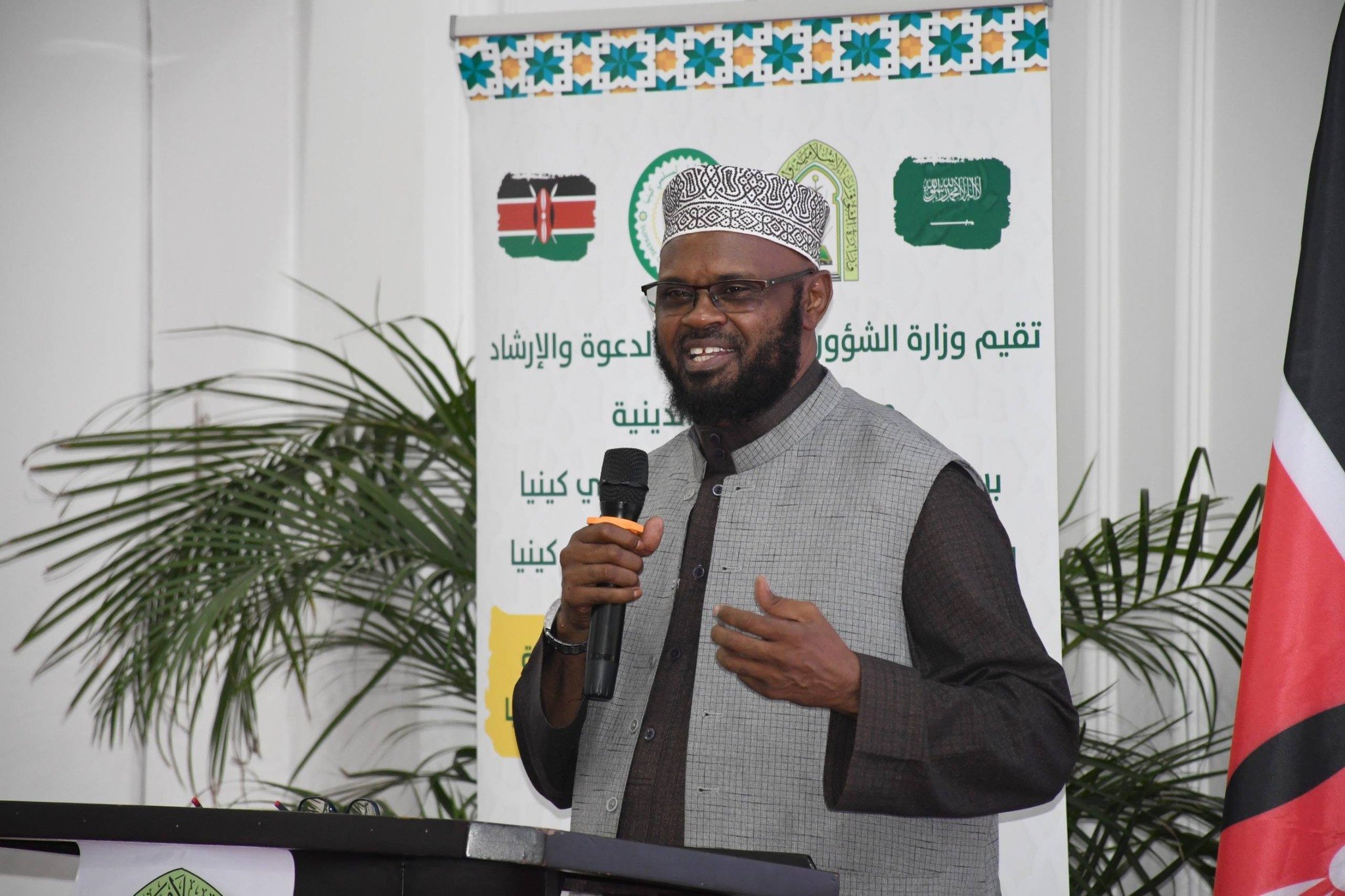
Muslim political leaders have been urged to uphold their responsibilities by serving citizens diligently in order to promote socio-economic development.
The call was made by the Acting Chief Kadhi, Sheikh Hassan Sukyan, who appealed to leaders in positions of authority to observe Islamic leadership ethics, noting that principled leadership can significantly improve the lives of citizens through meaningful development initiatives.
Speaking during his Friday sermon at Jamia Mosque on December 12, Sheikh Sukyan expressed concern that some political leaders were failing to fulfill their obligations, leaving citizens to suffer as a result of poor governance and neglect.
“With all the billions that have been allocated to counties, our people are still dying of thirst,” he said. “Some may say I am speaking politics, but this is the reality on the ground. People are dying because there is no water.”
He noted that in some counties in Northern Kenya, hospitals lack essential medicines while other basic services remain inaccessible to citizens.
The Acting Chief Kadhi also raised concerns over increasing cases of unethical conduct among some Muslims, which he said contradict Islamic teachings.
“During KDF recruitment people moving around with baskets of money to buy positions. We see Muslims going to conventional banks for riba (interest) loans, yet every year there are going for Hajj and Umrah,” he observed.
He stressed that such practices not only undermine Islamic values but also risk portraying Muslims in a negative light. “These are some of the sickness which we need to treat, there are worse than cancer, HIV/Aids and other diseases which afflict our bodies,” he said.
He emphasized that Muslims’ conduct in business dealings and daily interactions should align with Islamic principles, which promote ethical behavior toward both Muslims and people of other faiths. “If your prayers and fasting do not transform your akhlaq—your character—then there is a problem, and you need to reassess your acts of worship,” he said.
Despite the challenges, Sheikh Sukyan acknowledged a positive resurgence of Islam in the country, evident in the growing number of mosques and madrasas, as well as the increased wearing of hijab. He noted that these developments reflect greater awareness and growth of Islam.
“For Muslims, the Nairobi of today is not the Nairobi of 20 years ago,” he observed.