CBE framework undermines religious studies, county official says
The current structure has the potential to weaken learners’ spiritual and moral development and undermines CBE’s commitment to holistic development, which includes moral, ethical, and spiritual growth.
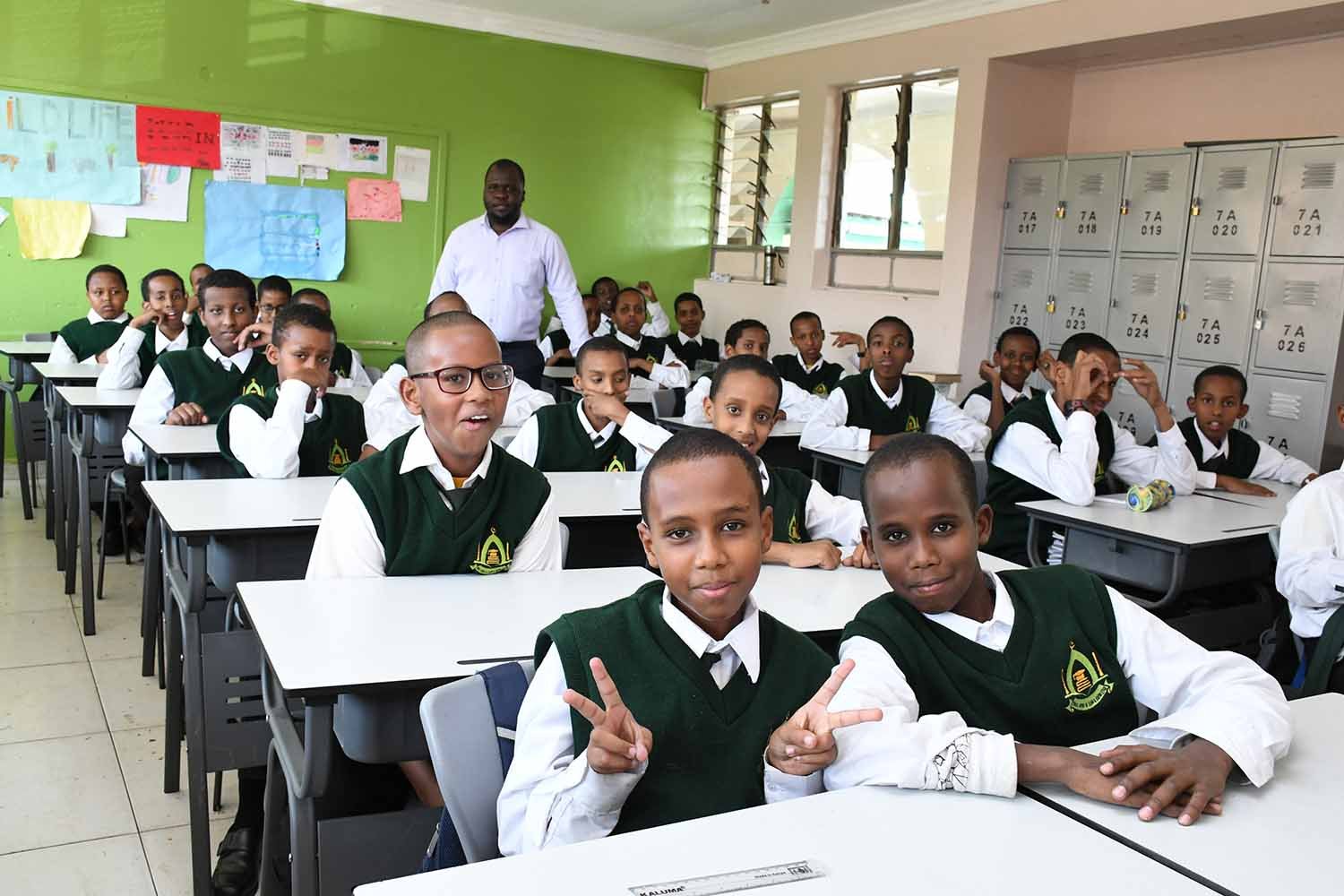
The Ministry of Education has been urged to ensure that religious studies remain accessible across all pathways in the Competency-Based Education (CBE) structure to preserve the integrity of the country’s education system.
Adding his voice to growing concerns that the new education set-up may limit the pursuit of religious studies, the Director for Research, Policy and Partnership Development in the Mandera County Government, Roble Oyo Kosar, said the current structure has the potential to weaken learners’ spiritual and moral development. He also expressed concerns that the present structure undermines CBE’s commitment to holistic development, which includes moral, ethical, and spiritual growth.
In a letter to Education Principal Secretary Julius Bitok, Roble noted that restricting religious studies—Islamic Religious Education (IRE), Christian Religious Education (CRE), and Hindu Religious Education (HRE)—to only the Social Science Pathway effectively bars learners in the Science, Technology, Engineering and Mathematics (STEM) and Arts and Sports Science pathways from pursuing religious education.
“This arrangement prevents learners in the STEM and Arts and Sports Science pathways from enrolling in Religious Education, raising important concerns regarding learners’ rights, holistic development, and moral formation,” he said.
“Furthermore, Muslim learners pursuing STEM combinations such as Physics, Chemistry, and Biology are compelled to forfeit IRE, creating an unfair conflict between academic aspirations and religious identity—contradicting constitutional rights and national inclusivity principles,” he added.
Roble further cautioned that declining enrolment in religious studies will negatively affect teachers of these subjects, leading to reduced recruitment opportunities and possible redundancy, thereby jeopardizing the careers of many trained and experienced educators.
He also observed that because of the dominance of the STEM pathway, faith-based schools—which integrate academic excellence with spiritual formation—may unintentionally exclude learners from studying IRE, undermining both institutional missions and community expectations. “Compared to the 8-4-4 system, where learners could take seven to eight examinable subjects and thus combine religious studies with sciences, the more rigid CBE structure limits flexibility and weakens the balance between academic and moral growth,” he said, calling for a review of the CBE framework.
In his submission, Roble proposed that learners be permitted to take at least one religious education subject regardless of their chosen pathway. He also urged the Ministry to allow students taking the three core sciences to include a religious education subject without compromising their primary academic combinations.