
Al-Aqsa Mosque reopens after 40-day closure in Jerusalem
The Jerusalem Governorate said that thousands managed to reach the mosque despite intensified Israeli restrictions
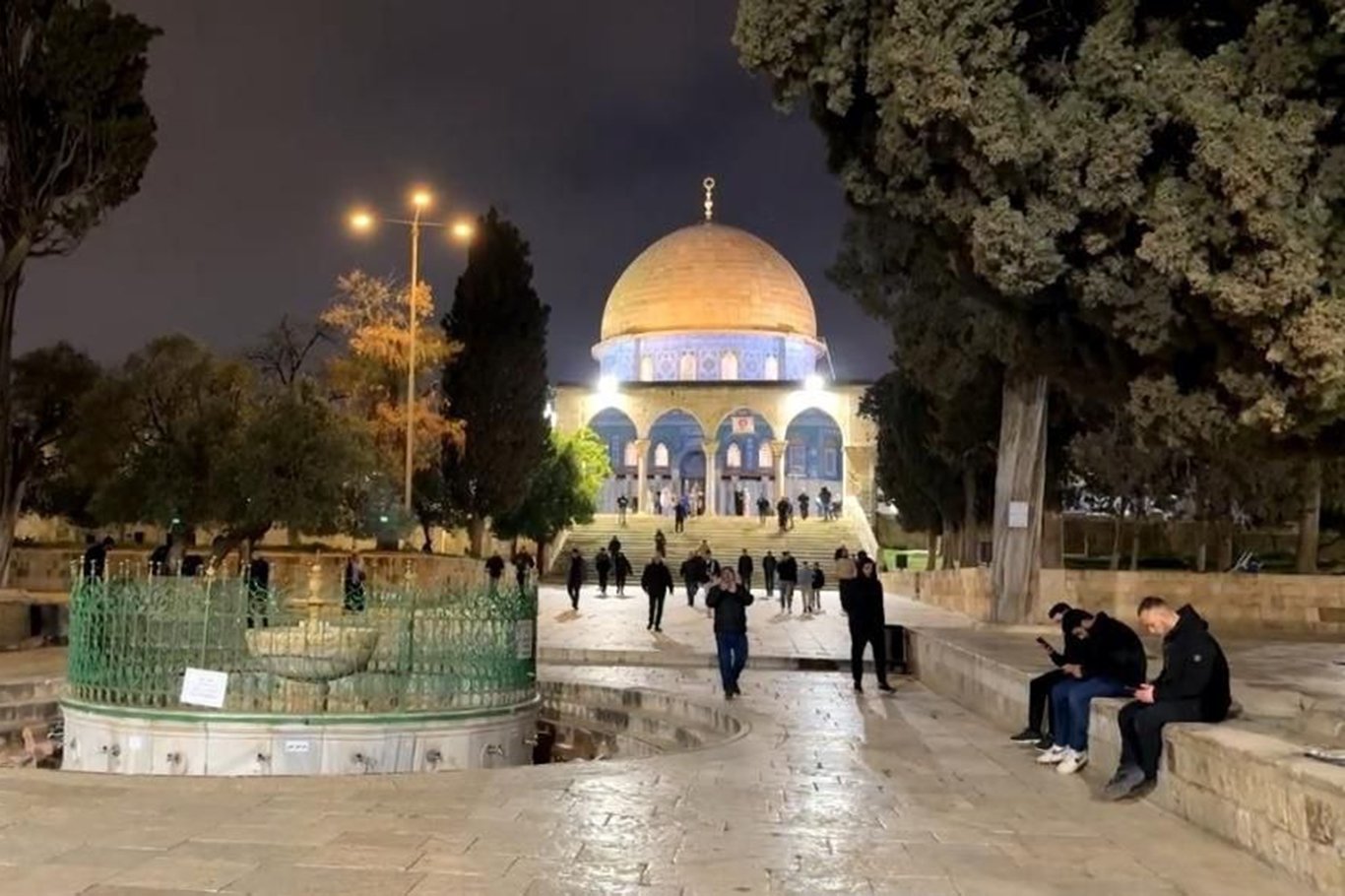
The Al-Aqsa Mosque reopened to worshippers on Thursday, April 9, with the Fajr call to prayer heard for the first time in 40 days, marking a significant moment amid a fragile ceasefire between the United States and Iran.
The opening of the mosque attracted large crowds eager to offer prayers at one of Islam’s holiest sites. Israeli authorities allowed early morning access, marking the end of an unprecedented closure that followed the US-Israeli war against Iran.
The closure had prevented Muslims from performing routine prayers and visiting the sacred compound, fueling widespread anxiety and concern among the local and international Muslim communities.
The Jerusalem Governorate said that thousands managed to reach the mosque despite intensified Israeli restrictions, including identity checks, the prevention of several young men from entering, and assaults on worshippers at the gates as police attempted to push them away from the mosque’s courtyards.
As the gates opened at dawn, worshippers streamed into the mosque with a mix of relief and solemnity. Many carried prayer mats and Quran copies, ready to reconnect with their spiritual traditions after more than a month of restricted access. The atmosphere was charged with emotion, with chants and prayers echoing through the mosque’s courtyards. Religious leaders and local residents expressed cautious optimism, noting that access to Al-Aqsa is not only a spiritual matter but also a deeply symbolic act for Palestinians and Muslims worldwide. “This is a moment of relief, but the tension in Jerusalem remains palpable,” said one worshipper, describing the scene as both joyous and tense.
However, the situation on the ground remained tense. Israeli forces reportedly enforced strict entry measures, including identity checks and limitations on access, particularly targeting younger Palestinian men. Several worshippers were reportedly prevented from entering, while others faced physical confrontations at the mosque’s gates.
Despite the restrictions and confrontations, thousands of worshippers remained determined to pray at the site, underscoring the enduring significance of Al-Aqsa Mosque and the challenges surrounding access to one of Islam’s holiest places.
As dawn prayers concluded, the sense of relief was evident, but the broader uncertainty over Jerusalem’s sacred sites continues to cast a shadow over the city. Worshippers left with a renewed sense of faith, hoping for stability and continued access to one of Islam’s most revered sanctuaries.