
A Muslim will be Kenya’s President and end tribalism –Farouk Kibet says
He emphasized that national leadership should reflect Kenya’s diversity and be grounded in equality and unity rather than ethnic considerations.
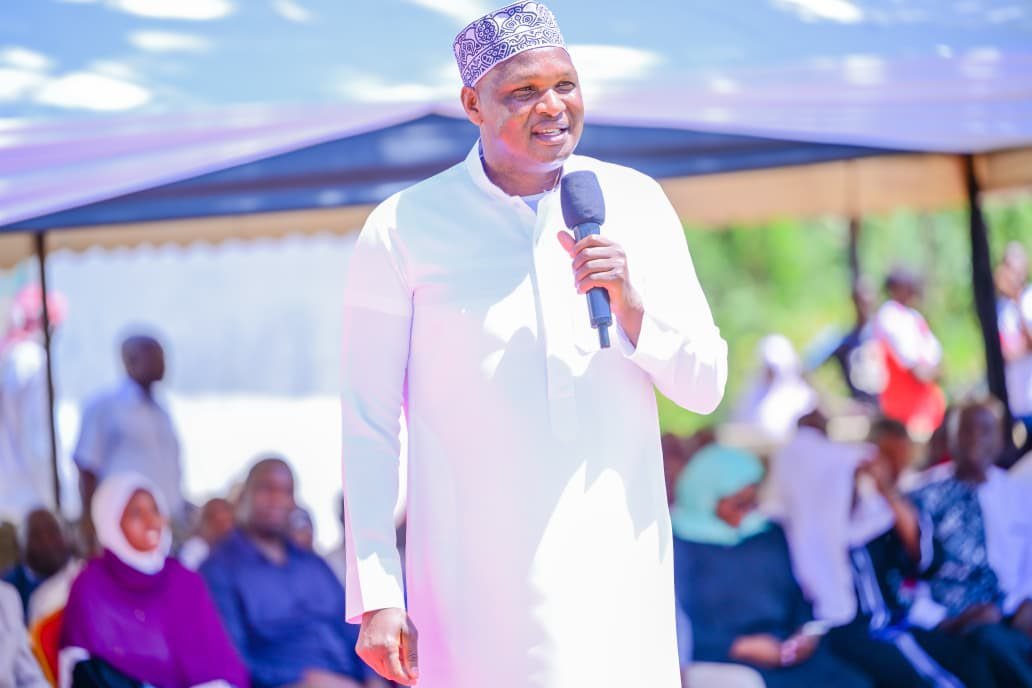
President William Ruto’s aide, Farouk Kibet, has expressed hope that Kenya will one day be led by a Muslim president, describing such a milestone as a turning point that could help the country move away from divisive tribal politics.
Kibet emphasized that national leadership should reflect Kenya’s diversity and be grounded in equality and unity rather than ethnic considerations.
“I pray that a Muslim will one day be President of Kenya. God will answer that prayer, and such a leader will guide this country without the influence of tribalism,” Kibet said while speaking at a fundraising event held at Mugai Mosque in Malava, Kakamega County.
The fundraiser, held on Friday, January 30, 2026, was organized to support the construction of an Islamic centre and a madrasa.
Kibet, who was the guest of honour, underscored that Muslims are equal citizens with the same right to aspire to the country’s highest office. “A Muslim is also a Kenyan and deserves the same opportunity to lead. No group should be judged or sidelined because of their religion,” he said.
He also praised the government for implementing reforms aimed at eliminating discriminatory policies against Muslims, particularly the removal of vetting requirements that previously hindered access to national identification documents. Kibet lauded President Ruto’s administration for abolishing the practice, saying it had restored dignity and fairness to affected communities.
For years, Muslims were subjected to unnecessary and discriminatory vetting before being issued with ID cards, Kibet noted. “Muslims can now access IDs and other essential documents like any other Kenyan,” he said, adding that the reforms reaffirm the constitutional rights of Muslims as equal citizens.
Addressing residents and leaders at the event, Kakamega Governor Fernandes Barasa emphasized the importance of supporting religious institutions, noting that they play a vital role in shaping moral values and fostering social cohesion. “Supporting our mosques and churches is key to strengthening the moral fabric of our society and promoting social development,” he said.
Suna East Member of Parliament Junet Mohamed echoed these sentiments, urging Kenyans to embrace religious tolerance and mutual understanding. “Religious tolerance and understanding are at the core of our unity as a nation,” he said, highlighting the role of faith-based institutions in promoting social development and national cohesion.
Also in attendance were Dadaab MP Farah Maalim, Malava MP David Ndakwa, Garissa Senator Abdul Mohamed Haji, and other prominent leaders.