
42 years since the Wagalla massacre, the worst killings in modern Kenya
The massacre occurred between February 10 and February 14, 1984, during a security operation where an estimated 5,000 people were rounded up and brutally killed
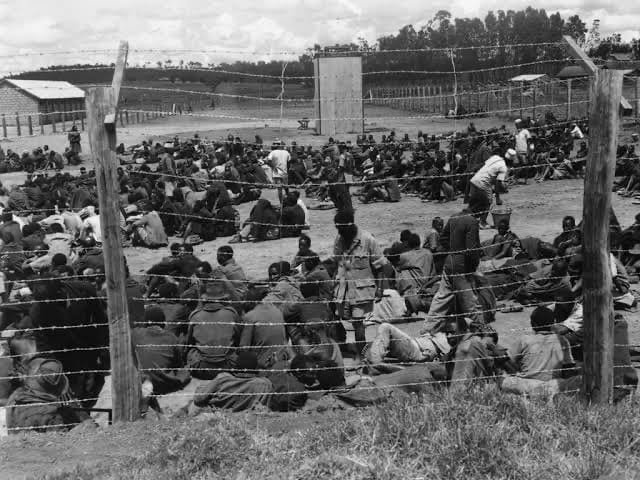
This week marks 42 years since the Wagalla Massacre, arguably the worst killings to have happened in post-independence Kenya and remain to be one of the darkest chapters in the country’s history.
The massacre occurred between February 10 and February 14, 1984, during a security operation where an estimated 5,000 people from the Degodia clan were rounded up and brutally killed by security officers at the Wagalla Airstrip in Wajir.
Witnesses say more than 5,000 men were taken to the airstrip and denied food and water for five days before being shot by the army, which had been sent to the area to ostensibly mop up guns. The true death toll has never been officially established.
Survivors narrate how they were forced to strip naked and lie on scalding pebbles on the ground and held for five days without food or water, and later shot in a mass killing operation. The bodies of the victims were not buried but instead dumped in nearby bushes where they were eaten by hyenas.
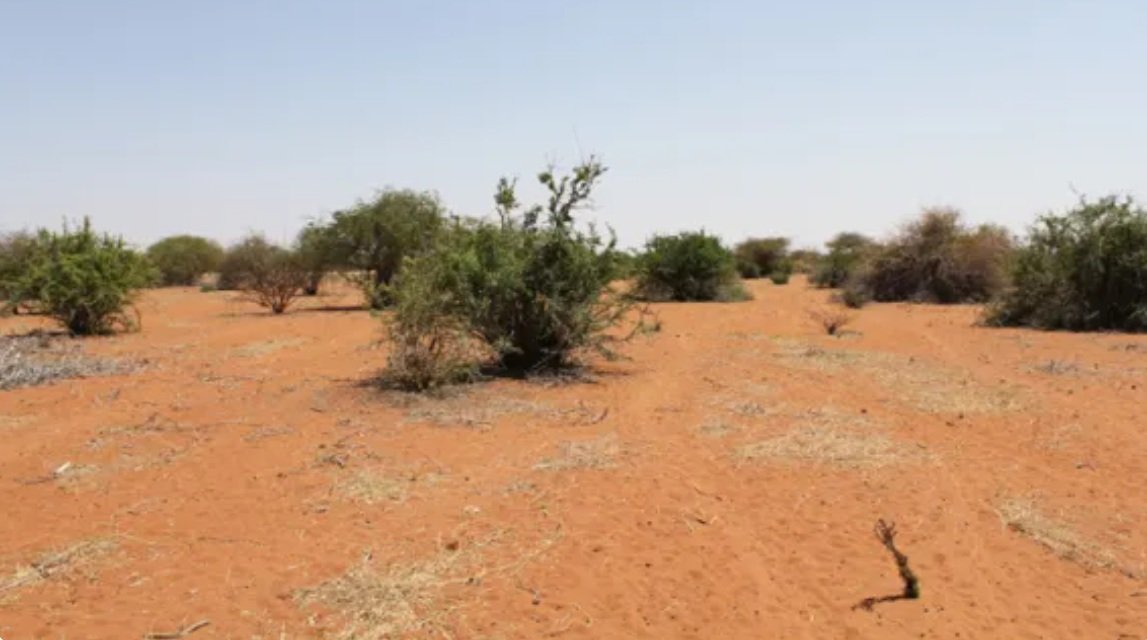
Many of the vicitms were buried in unmarked graves near the airstrip
For decades, survivors and families of victims endured silence and marginalization, with little acknowledgment from the state.
The government initially covered up the massacre and claimed only 57 people died and it was only years later that the Truth, Justice and Reconciliation Commission (TJRC) confirmed it was a state-sanctioned, systematic, and brutal operation.
On February 14, 2014, the Kenya National Commission on Human Rights (KNCHR) unveiled a monument at Korahey, Wajir town, with 482 names of victims engraved on marble. The monument was handed over to the Wajir County government to serve as a symbol of reconciliation and heritage.
The documentary, Scarred: The Anatomy of a Massacre (2013) by Judy Kibinge, and the book Blood on the Runway (2007) by Salah Abdi Sheikh, serve as significant independent records that keep the memory of the event alive.
Victims and survivors have over years caledl for justice, prosecutions of the perpetrators named in the TJRC report, and full, individual compensation, which remains largely unpaid.
In 1992, President Daniel Arap Moi promised compensation to the survivors, but the pledge was never fulfilled.
During his tenure as the Prime Minister, the late Raila Odinga in 2011, ordered for an investigation into the killings calling for those responsible to be brought to justice. He instructed the Attorney General to initiate a public inquest into the massacre but nothing was heard about the probe.
In 2015 former President Uhuru Kenyatta issued an apology for the killings and committed to compensating victims but this also remained elusive.
“The Wagalla massacre is among the worst human rights abuses in Kenya’s post-independence history, but demands of the victims have had little to no impact on successive governments,” said Wajir West MP Farah Yussuf Mohamed in October last year.
While the tragedy remains a stark reminder of the need to uphold human rights, protect civilians, and ensure that such atrocities are never repeated, Farah said failure to address Wagalla and other historical injustices undermine public confidence in the state’s commitment to justice.